Victus Haze: Electron Launches Pioneer on Under 17 Hours Notice
The short version
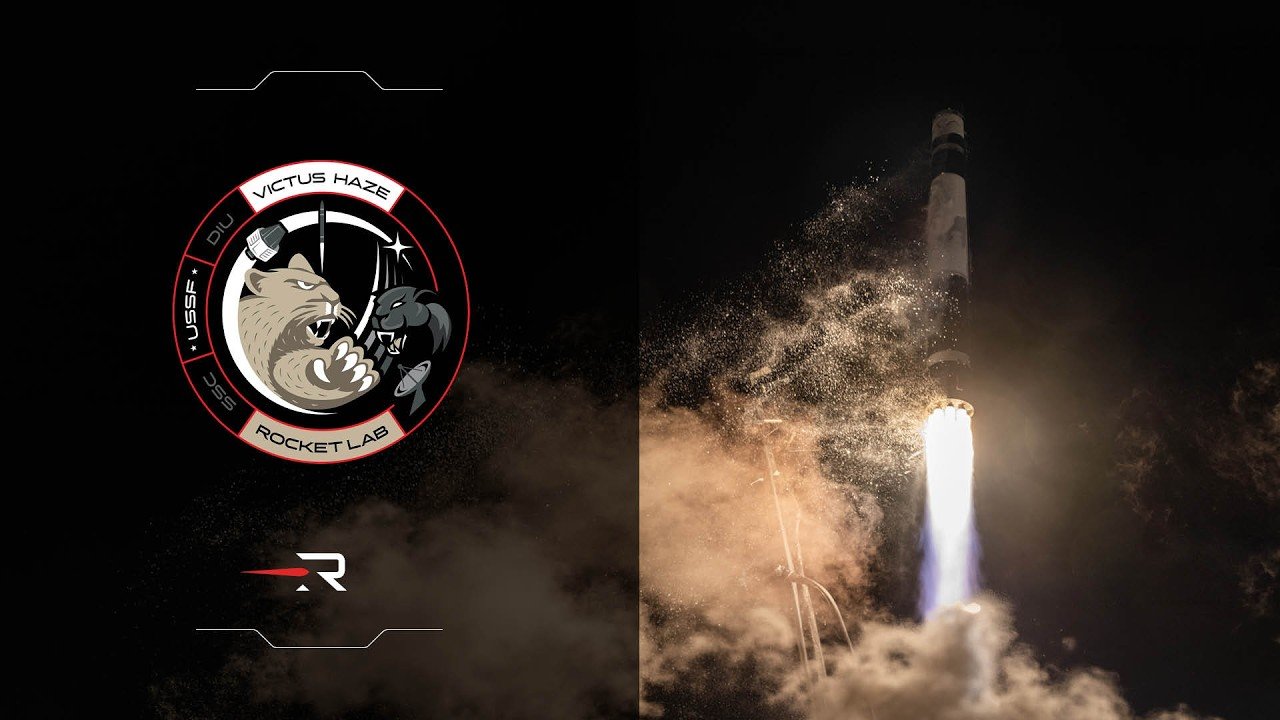
Rocket Lab's Electron lifted off from Launch Complex 1 in New Zealand for the US Space Force's Victus Haze responsive space mission, carrying Rocket Lab's own Pioneer spacecraft. The call to launch came at 5:40 that morning, and the spacecraft was confirmed on orbit about 9 minutes after liftoff. The team then had 72 hours to commission the spacecraft before rendezvous and proximity operations with another spacecraft already in orbit.
Full written account
Rocket Lab launched an Electron rocket from Launch Complex 1 in New Zealand for the US Space Force's Victus Haze responsive space mission. The call to prepare for liftoff came at 5:40 that morning, and the launch followed with 16 hours 42 minutes notice, which the description calls a new launch record for the USSF. Before the call, Rocket Lab did not know when it would launch or which orbit to head to.
The mission
The Space Force's Space Safari Program Office led the Victus Haze Tech ARS mission in partnership with the Defense Innovation Unit. It flew an advanced payload from Lawrence Livermore National Laboratory and drew on the technical expertise of the Third Space Operations Squadron. Rocket Lab says it is the first prime contractor in the history of the SSC's tactically responsive space program to provide the spacecraft, the launch services and the on-orbit operations for a single end-to-end mission.
The mission had two objectives: launch a rocket to orbit with less than 24 hours notice, and deploy and operate a spacecraft to conduct rendezvous and proximity operations, chasing, photographing and inspecting another satellite on orbit. The secondary objective involves an object actively trying to avoid being imaged, which the spacecraft must keep custody of while still inspecting it.
Threading the launch window
Only when the Space Force called did Rocket Lab learn which target spacecraft it needed to meet. Orbital velocity in low Earth orbit is about 28,000 km/h, or 17,500 mph. With an instantaneous launch window, missing liftoff by even one second either side could leave the spacecraft miles off target. Guidance, navigation and control engineers calculated intercept trajectories from the target's location and Electron's performance, feeding the data into hardware-in-the-loop simulations that refined the liftoff time. The team had less than a single day to get it right.
T0 was set for 10:19 p.m. local New Zealand time. The launch director for the day was Yulia Winbaker, and Captain George Ebewahine was the Victus Haze mission manager for the Space Force.
The vehicle
This was the 90th launch of Electron, which is 18 m long and can carry up to 320 kg on a dedicated mission. The Rutherford engines are electric pump-fed, driven by batteries. For this mission there was no kick stage: the spacecraft was released directly from the second stage through a payload adapter. The Pioneer spacecraft has an avionics deck, a propulsion deck for maneuvering, and a top section for the payload, here the Lawrence Livermore imaging payload.
The flight
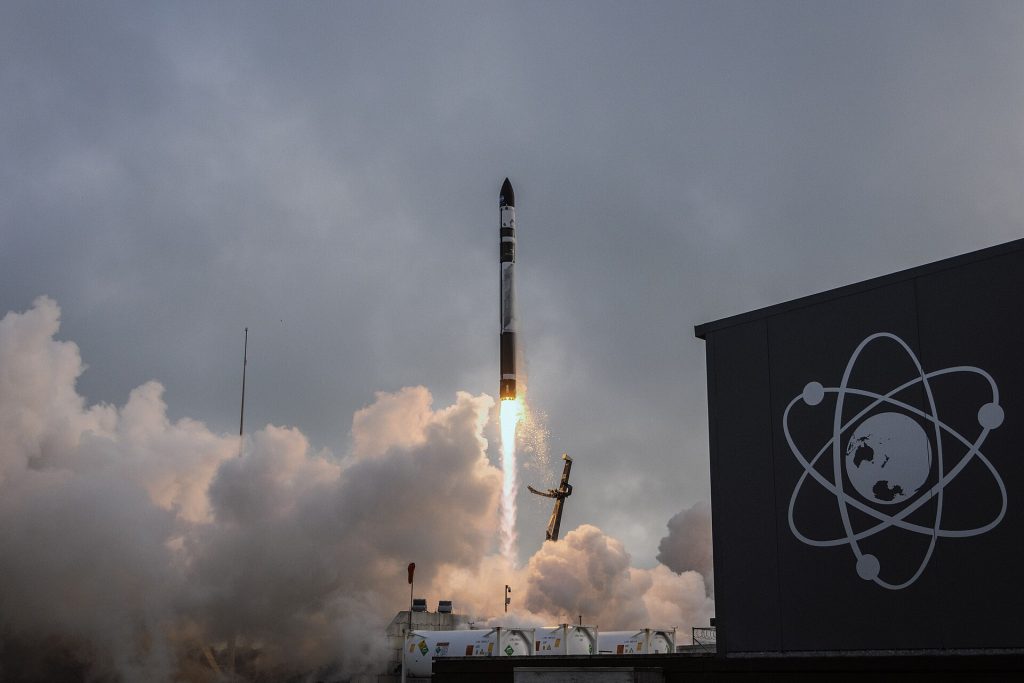
Electron lifted off from LC-1, passed max Q, and reached main engine cutoff, stage separation and second stage ignition within about 6 to 8 seconds of each other. Fairing jettison was confirmed. The second stage needed a 6 and 1/2 minute burn, so a battery hot swap was performed to keep the Rutherford engine running, expected at T plus 6 minutes 26 seconds. Mission control confirmed it successful. SECO and payload separation were confirmed, along with a nominal transfer orbit.
The hosts described the result as on orbit in just 9 minutes, from a call-up about 17 hours earlier. Space systems took control of the spacecraft. The team then had 72 hours to commission it, checking solar panel pointing, star trackers and onboard software, before chasing and imaging the second spacecraft.
Questions this video answers
When did Victus Haze launch?
The launch date in the description is 19 June 2026, from Launch Complex 1 in New Zealand.
How quickly was the launch arranged?
The description says the mission launched with 16 hours 42 minutes notice, a new launch record for the USSF.
What was the Electron rocket carrying?
Rocket Lab's Pioneer spacecraft, fitted with an advanced imaging payload from Lawrence Livermore National Laboratory.
What happens after launch?
The team has 72 hours to commission the spacecraft, then it will conduct rendezvous and proximity operations with another spacecraft already in orbit.
Was there a kick stage?
No. The spacecraft deployed directly from a customized second stage adapter.
Explore related missions
Connected by the topic: Electron