Electron Launches Earth Observation Satellite From Mahia LC-1
The short version
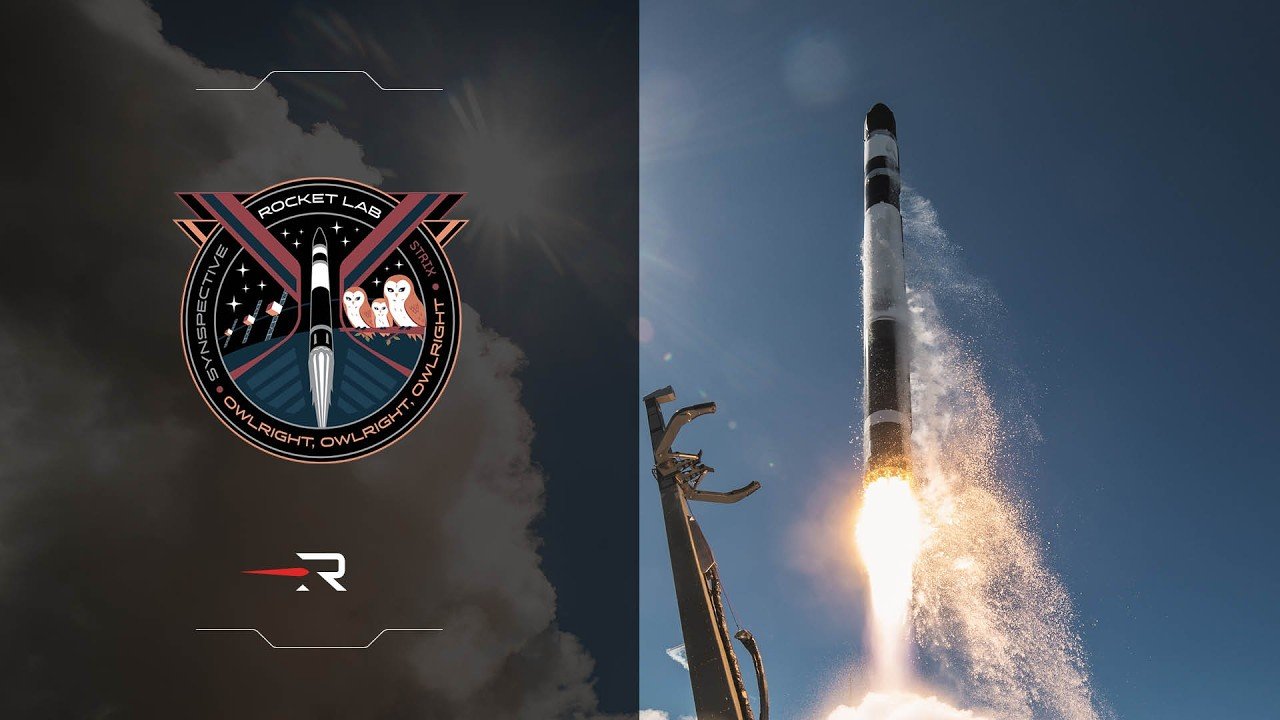
Rocket Lab's Electron lifted off from Launch Complex 1 in Mahia, New Zealand, carrying a single Earth observation satellite for a confidential commercial customer. The broadcast covers the countdown, go/no-go poll, max Q, stage separation, fairing jettison, battery hot swap and second stage cutoff, ending after kick stage separation just under 10 minutes into flight. Deployment of the satellite to its 470 km orbit was to be confirmed later by an update.
Full written account
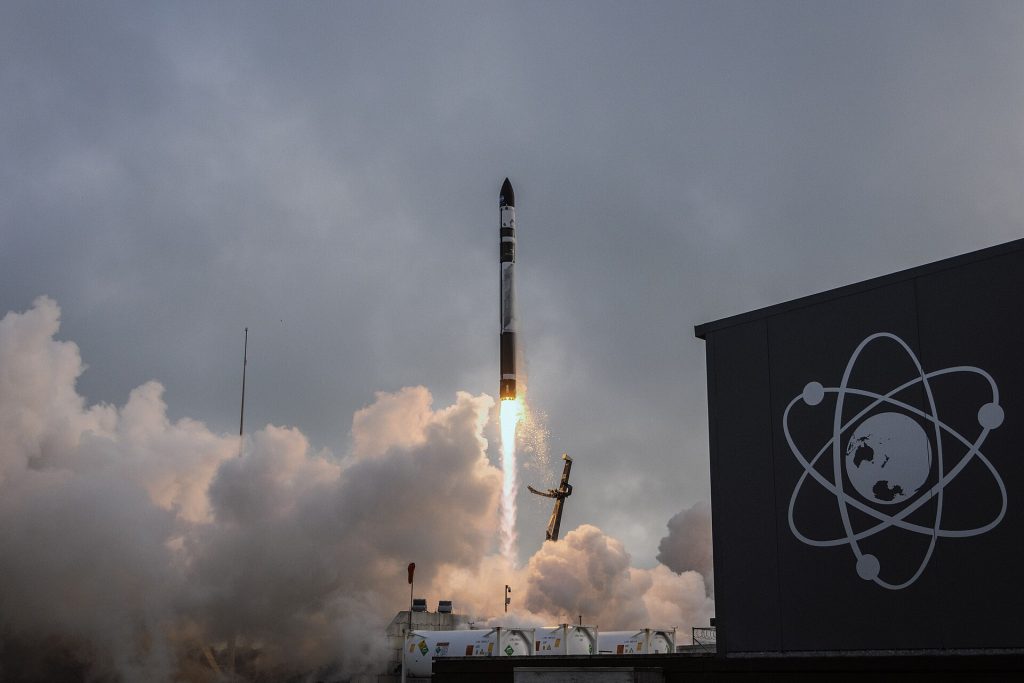
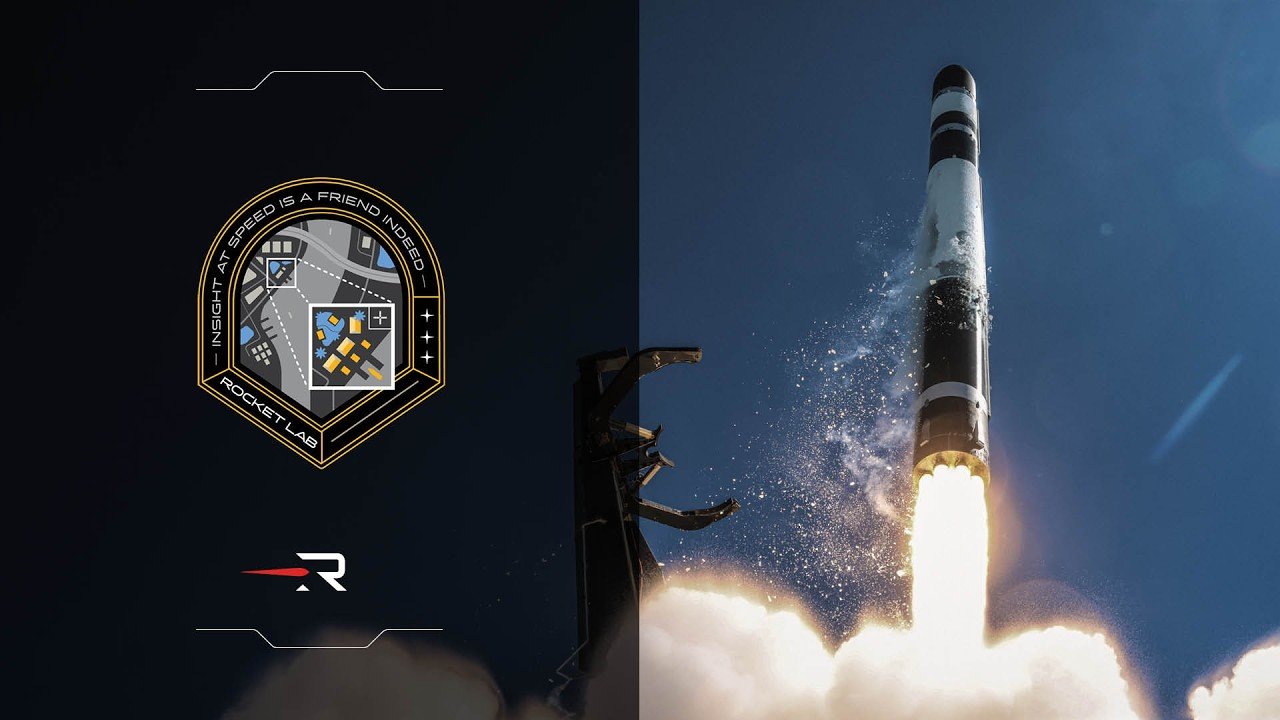
Rocket Lab's Electron lifted off from Launch Complex 1 at Mahia, New Zealand, on 6 March 2026 NZDT, carrying a single Earth observation satellite for a confidential commercial customer. The mission, named "Insight At Speed Is A Friend Indeed", was the 72nd from Launch Complex 1, the fourth launch of the year and the 83rd Electron launch in total. At the customer's request, the live broadcast was set to end shortly after kick stage separation, just over 9 minutes into flight.
The countdown
Liftoff was scheduled for 12:53 p.m. local time, or 23:53 UTC, at the top of a launch window the hosts described as two hours long, leaving room to reset the clock and try again. The weather was described as perfect for a midday launch.
At T minus 12 minutes the launch team ran its go/no-go poll across mission control in Auckland and range control at Mahia. Launch director Taylor Moore polled the stations, among them avionics, GNC, beacon, range safety (RSO), weather (Met) and the launch director supervisor, and each answered go. The poll finished at T minus 11 minutes 21 seconds, and the team declared itself go for terminal count at T minus 10 minutes, when the three word procedure took effect.
The hosts also noted that Electron's 83rd launch counts both orbital missions and suborbital HASTE flights, which run hypersonic tests. The seventh HASTE flight had flown the week before from Rocket Lab's second launch site in Virginia, testing a scramjet hypersonic aircraft over the Atlantic.
The vehicle
Electron stands 18 m (about 59 ft) tall and just over a meter in diameter, and weighs around 13,000 kg fully fuelled with kerosene and liquid oxygen. It can launch payloads of up to 300 kg. It has two main stages plus a third platform, the kick stage.
- First stage: nine Rutherford engines, each 3D printed at the engine factory in Long Beach, California, together producing over 50,000 lb of thrust for the first two and a half minutes.
- Second stage: a vacuum variant of Rutherford with a much larger nozzle. Like the sea level version, it uses high-voltage batteries to power electric pump motors.
- Fairing: carbon composite, splitting open shortly after first stage separation.
- Kick stage: its own 3D printed engine, called Curie, and cold gas reaction control thrusters. It deploys payloads to within meters of the target.
The satellite was to be released by an Advanced Light Band separation system made in Silver Spring, Maryland. It is non-pyrotechnic: a motorized release disengages a clamp-like band instead of using explosives.
The flight
The T minus 2 minute point brought a switch to internal power with the flight computer taking over. The count then ran to ignition and liftoff. Controllers reported stage one propulsion nominal, and the vehicle passed Max Q, the point of maximum aerodynamic pressure. It was then travelling at more than 22,000 km/h at more than 20 km altitude.
MECO, main engine cut-off, was confirmed, followed by stage two ignition and stage separation at around T plus 2 minutes 40 seconds. The fairing jettison was confirmed shortly after, and the two halves were seen falling past the engine camera.
Because the second stage burns longer than the first battery set can power, the flight computer performs a battery hot swap. Around the planned T plus 6 minutes 40 seconds, controllers called "Battery jettison confirmed. Hot swap successful," and the spent silver packs fell away. The vehicle was then moving at almost 18,000 km/h at around 193 km.
At T plus 7 minutes 40 seconds everything was proceeding nominally. SECO, second stage cut-off, was confirmed with a "nominal transfer orbit achieved" call and kick stage separation was confirmed. The hosts pointed to the cooling engine nozzle as visual confirmation.
After the broadcast
The kick stage had to travel around the far side of the Earth before its engine lit to circularize the trajectory and deploy the satellite into a 470 km orbit. Orbital velocity is above 27,000 km/h. The hosts said deployment would take about an hour from liftoff and that Rocket Lab would confirm mission success afterwards on its website and social channels.
The hosts also described Rocket Lab's deep space work, including the ESCAPADE mission to Mars for NASA, with two spacecraft in deep space awaiting their slingshot to Mars later in the year, and a proposed Mars telecommunications orbiter for NASA.
Questions this video answers
When and where did the launch take place?
Liftoff was scheduled for 12:53 p.m. local time, 23:53 UTC, on 6 March 2026 NZDT from Launch Complex 1 in Mahia, New Zealand.
What was launched?
A single Earth observation satellite for a confidential commercial customer, bound for a 470 km low Earth orbit.
Which launch was this for Electron?
It was the 72nd mission from Launch Complex 1, Rocket Lab's fourth launch of the year and the 83rd Electron launch overall.
Did the broadcast show the satellite deployment?
No. At the customer's request the broadcast ended shortly after kick stage separation, and a deployment update was to follow on Rocket Lab's website and social channels.
How does the satellite separate from Electron?
It uses the Advanced Light Band, a non-pyrotechnic separation system that uses a motorized release to disengage its clamp-like band.
Explore related missions
Connected by the topic: Electron