VICTUS HAZE: Rocket Lab’s Pioneer Spacecraft and Electron Plan
The short version
Rocket Lab describes its role in the U.S. Space Force's VICTUS HAZE mission: launching on Electron with less than 24 hours notice, then operating its Pioneer spacecraft for rendezvous and proximity operations against another satellite. Engineers explain commissioning the spacecraft in about two days or less and why in-house vertical integration matters.
Full written account
What does it take to launch on under 24 hours notice and then chase a satellite?
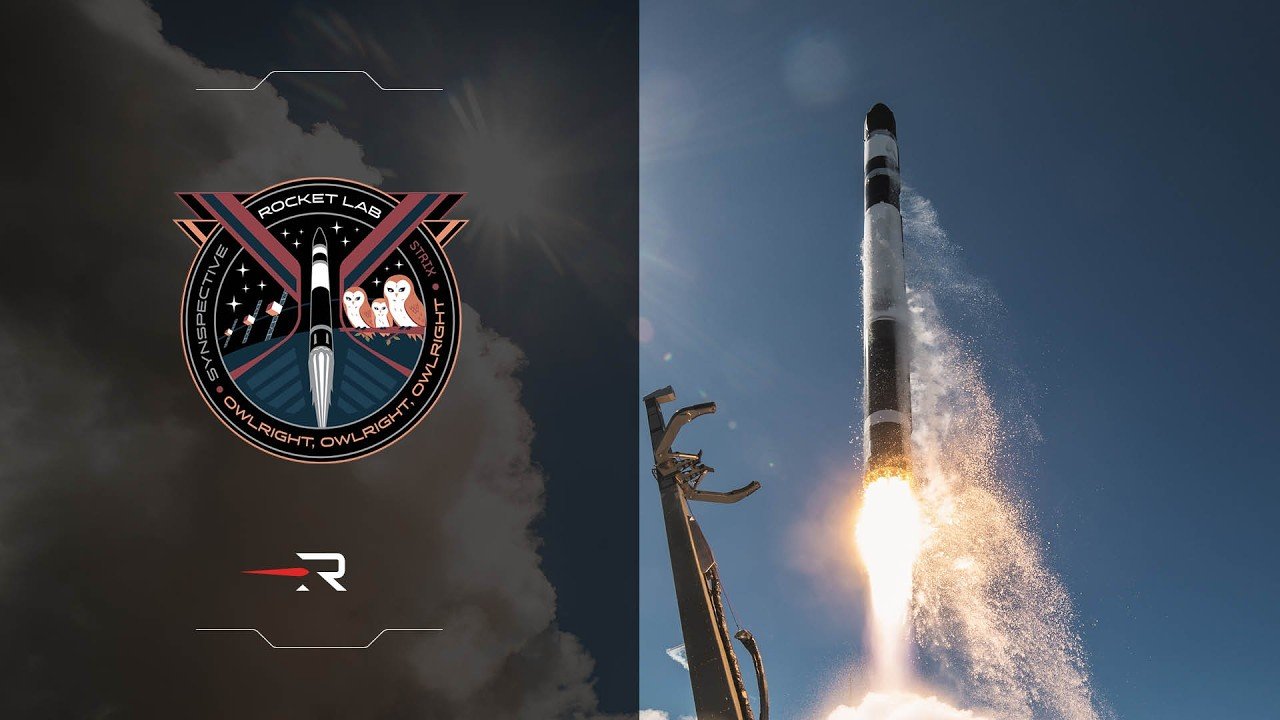
Rocket Lab is attempting to demonstrate a tactically responsive space capability for the United States Space Force on the VICTUS HAZE mission, something the company says has never been achieved before. The mission has two objectives: launch a rocket to orbit with less than 24 hours notice, then deploy and operate a spacecraft that performs rendezvous and proximity operations, described as chasing down, photographing and inspecting another satellite on orbit that does not want to be found. Rocket Lab calls it a game of orbital cat and mouse.
The Pioneer spacecraft and Electron
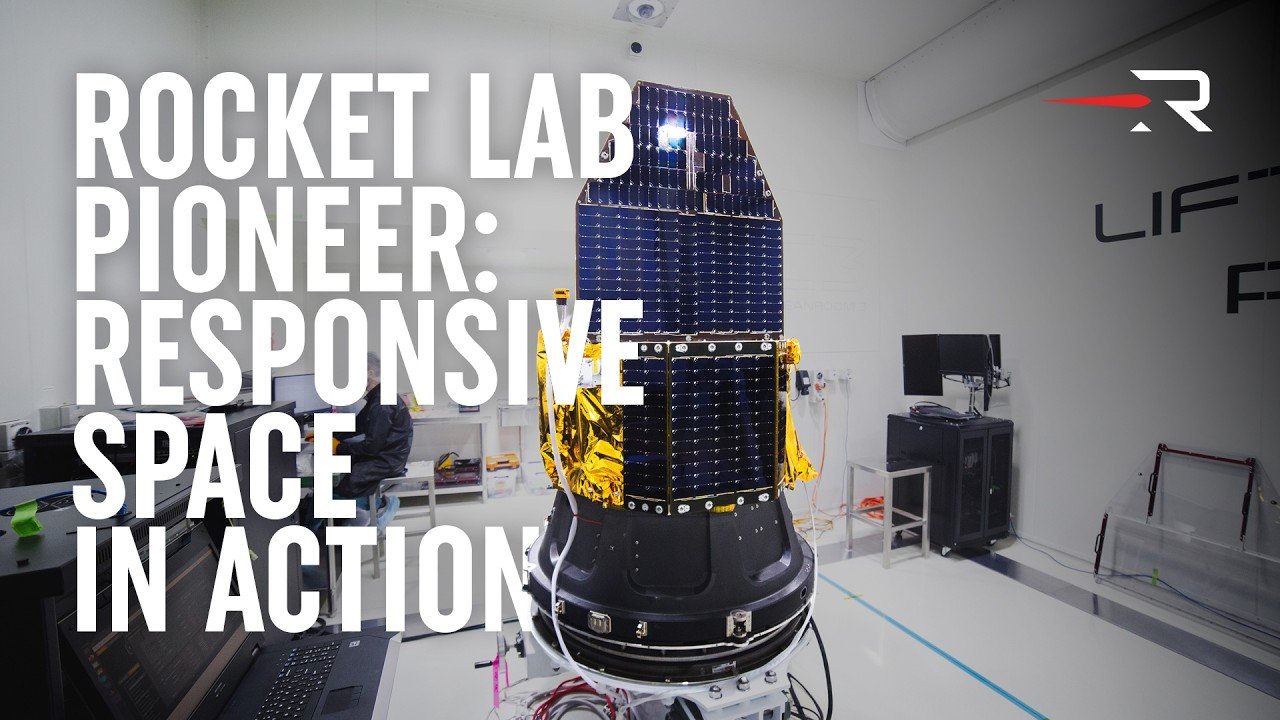
Rocket Lab designed and built the Pioneer spacecraft, will launch it on Electron and will operate it on orbit. The company presents this as a demonstration of vertically integrated, end-to-end space capabilities.
Commissioning in days, not months
Right after launch the spacecraft enters commissioning, which covers everything needed to prepare it for normal operations. Engineers test all radios with ground stations in orbit for the first time, checking that they can see each other, talk to each other and decode information on the ground, and that encryption works. They also check that cameras and GNC sensors are aligned, so no jitter disturbs the control algorithms. A process that normally takes months to reach confidence in a satellite is compressed to two days or even quicker.
Two targets
The primary objective is to rendezvous with an unknown RSO. That object gives no information back through an intersatellite link, and the team has no telemetry from it. The secondary objective is an evasive RSO, an object actively trying to avoid being imaged. It knows the spacecraft is coming and tries to run away, so the spacecraft must maintain custody, chase it and still inspect it.
Why in-house matters
Rocket Lab's team says developing the critical components in house gives them knowledge of how everything works and lets them solve problems quickly during operations. They describe parts developed specifically for this purpose and the ability to ask the person across the room why a component behaves a certain way. They cite a company value of doing the impossible, whether the issue is hardware, software or concept of operations.
Entering the defense space, a team member says, Rocket Lab offers capabilities as an end-to-end and responsive space provider that no one else has, and expects this to open the door to missions people did not think possible.
Questions this video answers
What are the two objectives of VICTUS HAZE?
First, launch a rocket to orbit with less than 24 hours notice. Second, deploy and operate a spacecraft that conducts rendezvous and proximity operations on another satellite.
What spacecraft and rocket does Rocket Lab use?
Rocket Lab designed and built the Pioneer spacecraft and will launch it on Electron.
How fast can commissioning be done?
Rocket Lab says a process that normally takes months is compressed to two days or even quicker.
What is the secondary objective?
Rendezvous with an evasive resident space object that actively tries to avoid being imaged, while the spacecraft maintains custody and still inspects it.
Explore related missions
Connected by the topic: Electron