Starship Ship 40: Towing a Floating Rocket Across the Indian Ocean
The short version
SpaceX traces its reusability work from Grasshopper and the first Falcon 9 landing to a Starship that stayed afloat in the Indian Ocean after its flight. Crews towed it through rough seas, inspected it at Christmas Island and loaded Ship 40 onto the heavy-lift ship Forte. The ship's heat shield tiles and a simulated tower catch are also covered.
Full written account
A Starship that came down in the Indian Ocean did not sink. SpaceX teams found it floating hundreds of nautical miles off Western Australia, hooked up to it, and spent weeks trying to bring it home. Its recovery followed years of work on reusable rockets, from the Grasshopper hops to the first Falcon landing.
Reusability from Grasshopper to Falcon
Reusable rockets were central to SpaceX's development from the company's early days. As Falcon 9 was being developed, leadership said the team needed to figure out how to get the rocket back. Grasshopper was the experimental test vehicle used to learn vertical takeoff and landing, and its first flights were very short hops the team called baby hop and bunny hop.
After Grasshopper, the next step was to take an orbital rocket all the way to space and land it. The team had three landing attempts in a row with unexpected failures. Then CRS-7, a customer mission for NASA, ended in the first failure of Falcon 9, which had had a perfect track record. The whole company shut down to find out what went wrong.
That made the Orbcomm mission the company's return to flight. The team decided to bring the rocket back to Cape Canaveral and land it on a landing pad. Engineers saw odd readings in the second stage, debated whether to go, and then launched. The announcement came: "LZ-1, the Falcon has landed." Over the next year or two the team kept getting more performance out of the rocket, since a shorter landing burn takes less payload capacity away.
Towing a floating Starship
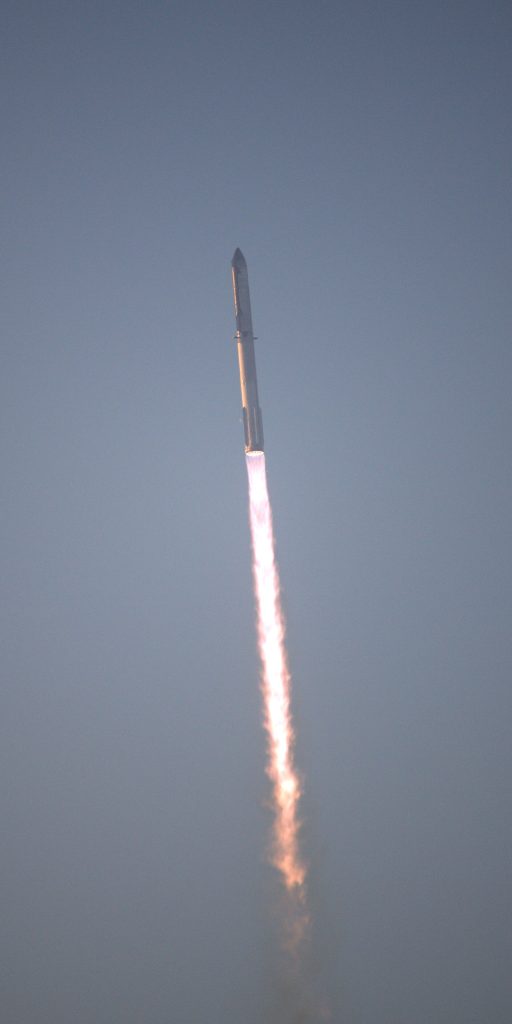
The Starship reentered at 25 times the speed of sound, executed the swish maneuver and landed in the ocean. It stayed afloat, and teams worked to get as much data out of it as they could.
The crew first hooked up to it 500 to 600 nautical miles off the coast of Western Australia. The ship draws only 1.5 to 2 feet of water and has a lot of sail area, so slight wind pushed it around. Weather turned to 16 to 18 foot seas with 40 to 45 knot winds. At one point the vessels were still more than 850 miles from Dampier, and the team concluded the ship would not reach mainland Australia and they had to pivot. Even a slow tow was damaging the vehicle. What worked was a shoestring line tied to the back of D1, pulling the ship for 400 miles, with a further 200 miles of help from waves running in the right direction.
The heat shield
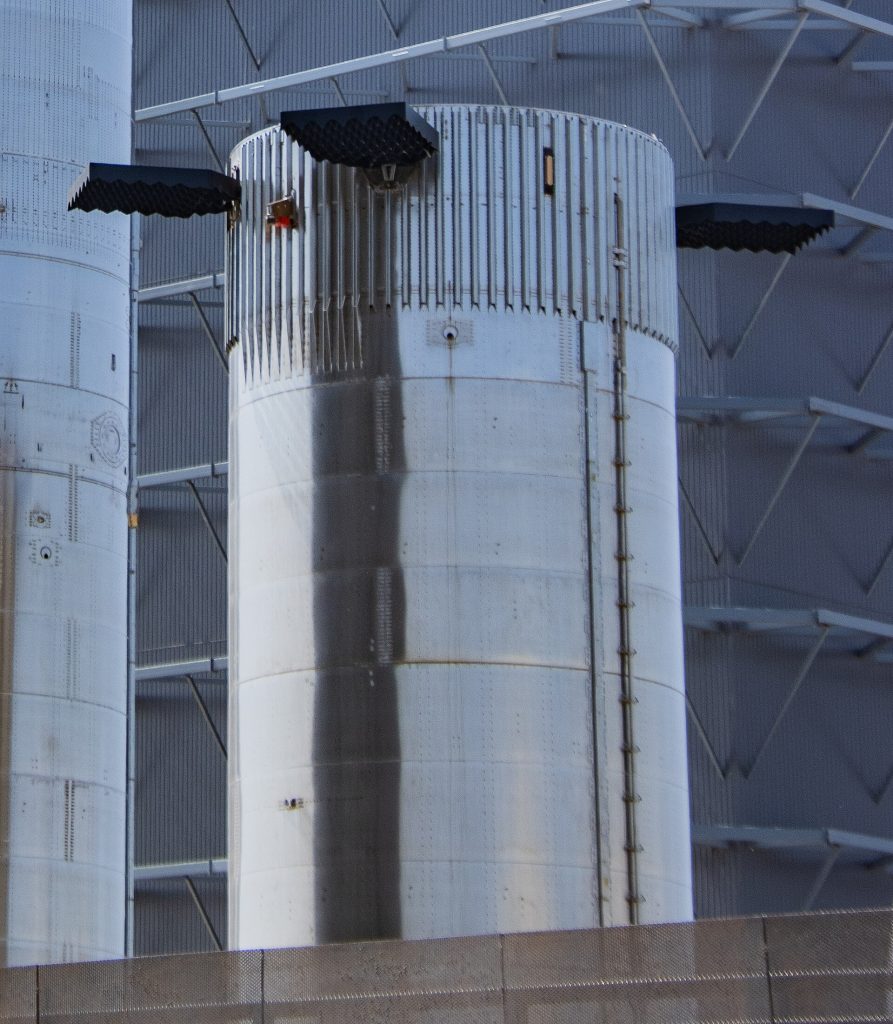
The ship carries about 20,000 heat shield tiles, described as 20,000 opportunities to get it wrong. Tiles must first survive ascent, including violent vibration and acoustics at liftoff and the period of maximum dynamic pressure. One engineer said a tile represents almost half a decade of development. The white material is an incredibly good insulator, and heat flowing along the surface does not have enough time to destroy the tile's coating.
Christmas Island and Ship 40
Almost 30 SpaceX employees came to the Indian Ocean, including a naval architect, a ship structures engineer and the tile team. At Christmas Island, divers and tile crews inspected the vehicle, and lift bags were used to roll it so the team could inspect more places. Ship 40 was then floated onto the deck of the heavy-lift ship Forte, set in a cradle for the trip back to Starbase. It was just over a month since the rocket flew.
What comes next
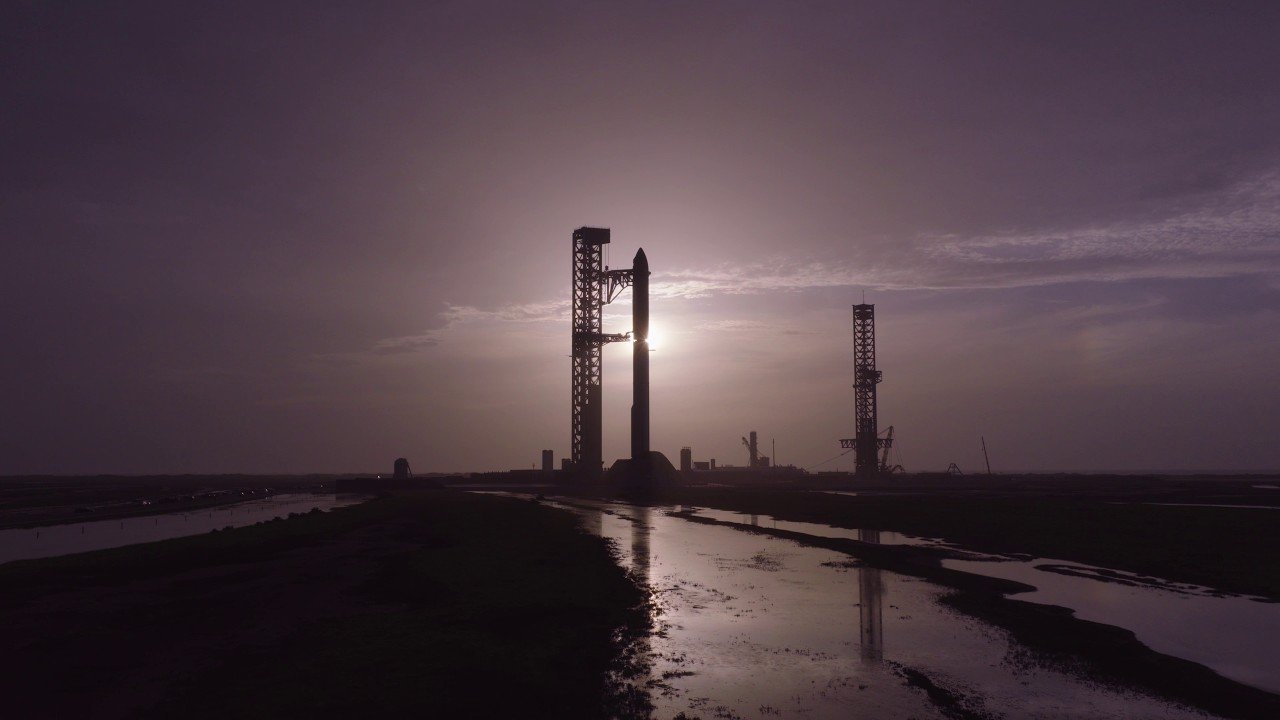
Discoveries from Ship 40 will go into heat shield improvements on Ship 41. The next big goal is returning the ship to the launch site. On this flight the ship ran its landing guidance as if for a tower catch, and SpaceX said that had there been a tower, the rocket would have been caught.
Questions this video answers
What happened to Starship Ship 40 after its flight?
After the ship's entry and landing maneuver in the ocean, it kept floating. Teams towed it, inspected it at Christmas Island, rolled it with lift bags, and floated Ship 40 onto the deck of the heavy-lift ship Forte.
Where was the floating Starship recovered?
Roughly 500 to 600 nautical miles off the coast of Western Australia when the crew first hooked up to it. The ship was later at Christmas Island.
How many heat shield tiles are on the ship?
About 20,000 tiles, which the video describes as 20,000 opportunities to get it wrong.
What was the big news from this flight?
Teams said it would have been caught had there been a tower, because landing guidance algorithms ran the maneuvers needed to put the rocket over the tower and into the arms.
What is next for the program?
Ship 41's heat shield will incorporate discoveries from Ship 40. The next big goal is returning the ship to the launch site.
Explore related missions
Connected by the topic: Starship