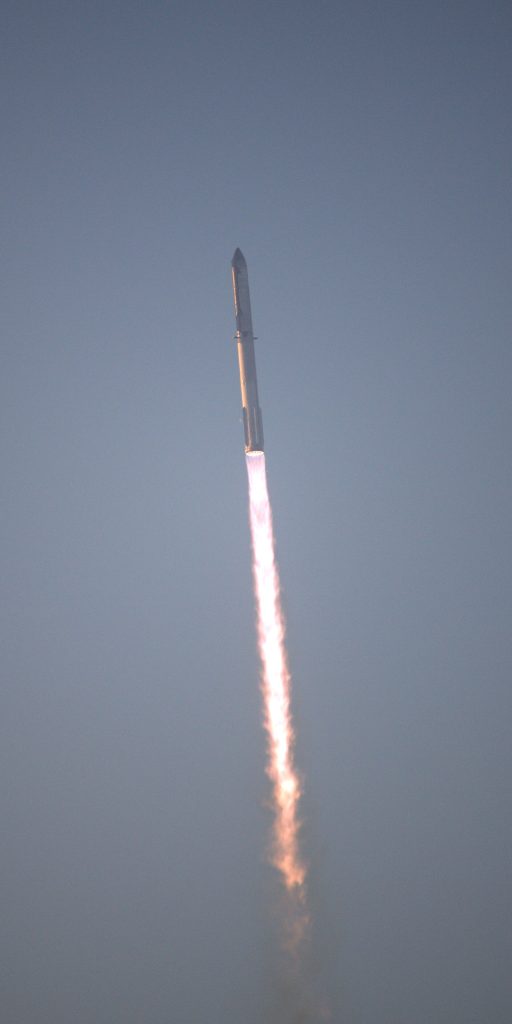
Starship V3 Flight 12: Pad 2, Raptor 3, Booster 19 and Ship 39
The short version
An overview of what is new on SpaceX's first Starship V3 launch, Flight 12: Pad 2 at Starbase, Raptor 3 engines, Booster 19 and Ship 39. It also covers the planned suborbital flight profile, including earlier max Q, earlier stage separation and cameras on dummy Starlink satellites.
Full written account
SpaceX's first Starship V3 is set to fly on Flight 12, with a new launch pad, new Raptor 3 engines and redesigned booster and ship. The last Version 2 vehicle flew on flight 11 in October 2025. The changes point toward orbit, orbital refueling and rapid reuse.
Pad 2 at Starbase
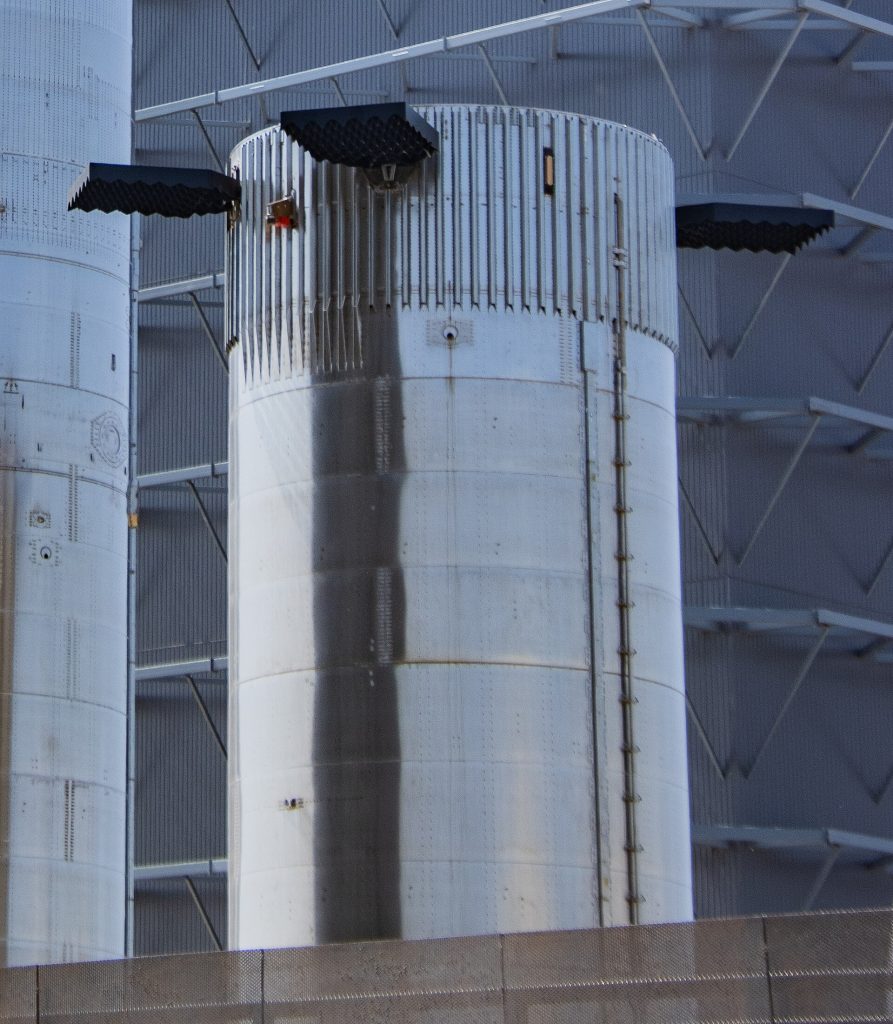
Pad 2 is redesigned from the ground up. The hold-down clamps are a new design that increases load sharing and retract reliability. There are now two quick disconnect systems feeding liquid oxygen and liquid methane to the booster, instead of one, which isolates fuel and oxidizer during disconnect so gaseous propellant mixtures do not cause accidental explosions. The chopsticks are shorter, reducing their moment of inertia and increasing their speed. A bidirectional flame diverter, with a liquid-cooled flame bucket, ridge and top deck that spray water for cooling and sound suppression, sits below, and a hardened bunker houses vents, isolation valves, electrical systems and filters.
Raptor 3
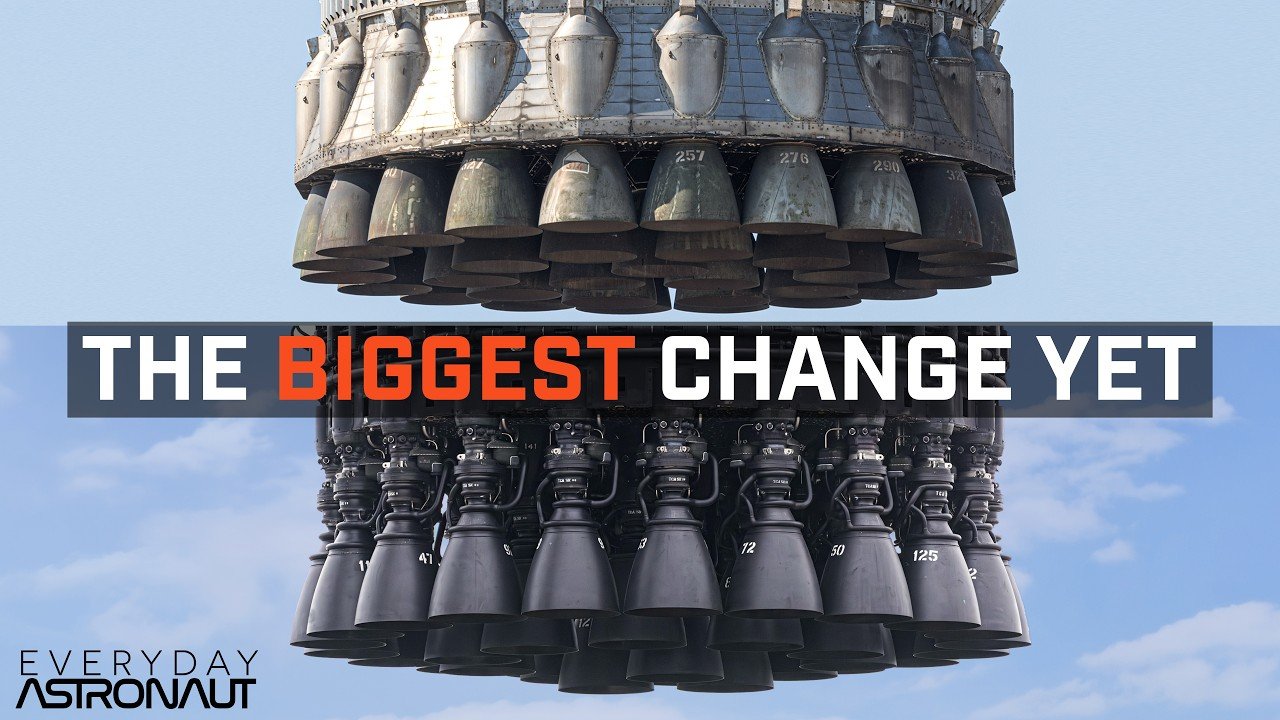
The sea level Raptor 3 produces 250 metric tons force versus 230, a nearly 9% increase. Mass falls to 1,525 kg from 1,620 kg for Raptor 2, and vehicle-side savings are about 1 ton per engine from removing shrouding and lighter hardware. Sensors and controllers are integrated in the engine, and startup is bootstrapped with gaseous methane and oxygen rather than nitrogen.
Booster 19
B19 is about 1.3 m taller, mainly from the new hot staging ring, and keeps 33 engines. Removing engine shrouds and the aft cavity let SpaceX omit the carbon dioxide fire suppression system. A larger methane transfer tube allows all 33 engines to start simultaneously. The hot staging ring is integrated on the booster and its actuators retract after separation. There are three grid fins instead of four, each 50% bigger and stronger. The catch and lift points are built into the load-bearing side fins.
Ship 39
S39 has a clean-sheet propulsion system. Propellant tank volume rises from 1,500 to 1,600 tons. Reaction control thrusters nearly double in number, and four docking drogues paired with new quick disconnects make ship-to-ship refueling potentially possible once two vehicles reach orbit. Each aft flap now has one actuator with three motors. Both vehicles have about 60 avionic units capable of 9 MW of peak power, and about 50 upgraded cameras downlink through Starlink.
Flight 12 profile
Starship will carry 22 Starlink mass simulators, versus eight on flight 11; the last two have cameras to inspect the heat shield as they depart. The flight is slightly suborbital, with reentry in the Indian Ocean, on a trajectory of about 28° versus about 26° before. Max Q comes at 45 seconds, 17 seconds earlier than flight 11, and stage separation is 15 seconds earlier. Upper stage engine cutoff comes shortly after 8 minutes, 47 seconds earlier. B19 will not be caught by the tower; a catch could come on flight 13 or by flight 14.
Questions this video answers
Where does Starship Flight 12 launch from?
Pad 2 at Starbase, a new launch pad.
Which vehicles fly on Flight 12?
Booster 19 (B19) and Ship 39 (S39).
How is Raptor 3 different from Raptor 2?
The sea level variant produces 250 metric tons force versus 230 for Raptor 2, a nearly 9% increase, and each engine weighs 1,525 kg versus 1,620 kg.
Will the booster be caught on Flight 12?
No. B19 will not be attempted to be caught by the new tower, so systems can be validated first.
How many Starlink mass simulators will Starship carry?
Twenty-two, versus eight on flight 11. The last two carry cameras to inspect the heat shield as they depart the ship.
What is the Flight 12 trajectory?
Slightly suborbital, with reentry in the Indian Ocean, kind of near Australia.
Explore related missions
Connected by the topic: Starship