Falcon 9 Starlink 6-15: 10th Booster Flight After a T-5s Abort
The short version
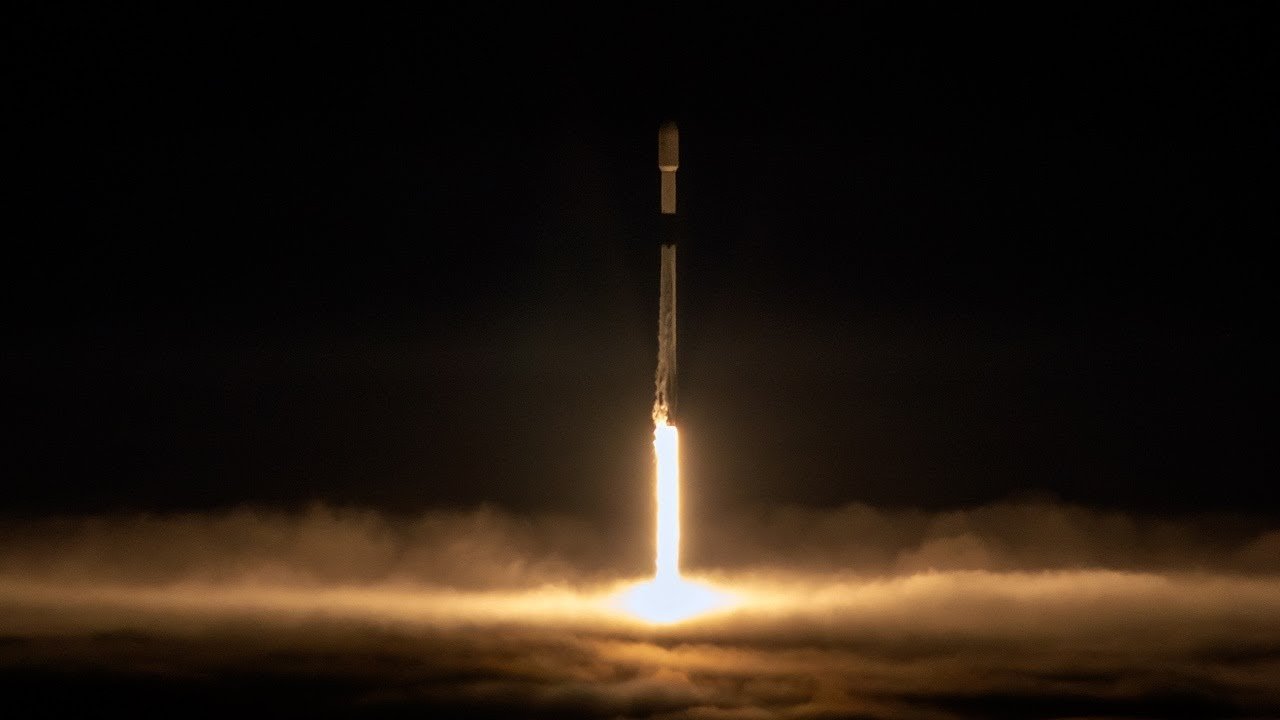
Falcon 9 launched 15 Starlink satellites from SLC-4E at Vandenberg Space Force Base at 9:09 p.m. Pacific time on July 19, 2023, after an abort at the T-5 second mark the previous day due to an alert on the second stage. The first stage booster flew for the 10th time and landed on the drone ship Of Course I Still Love You. Callouts confirmed second engine cutoff and good orbit; payload deployment confirmation was expected later because of limited ground station coverage.
Full written account
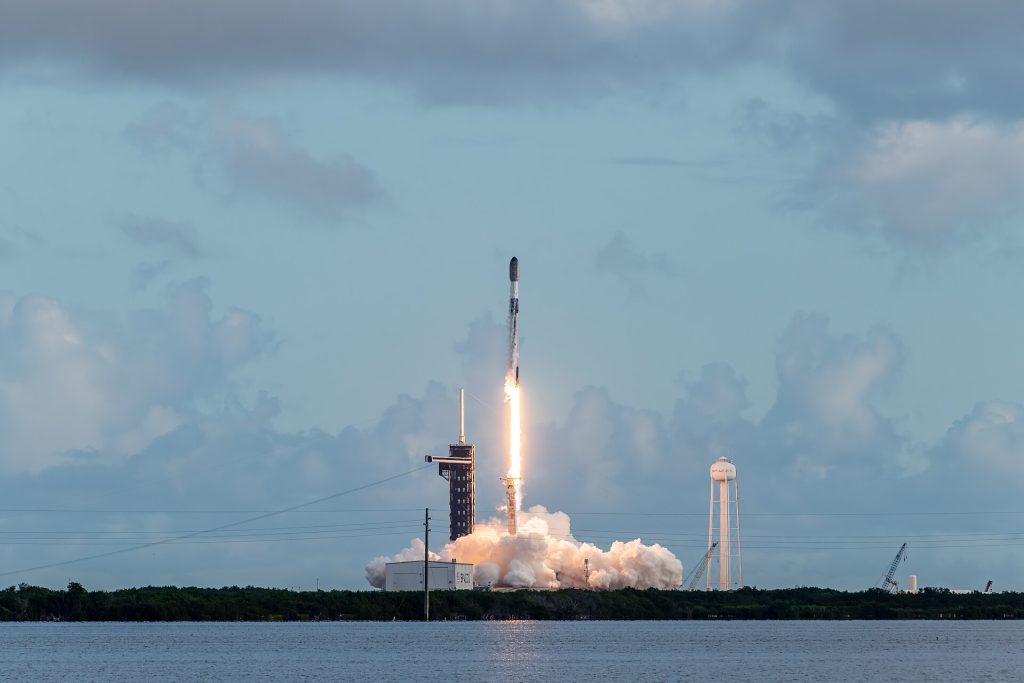
Falcon 9 lifted off from Space Launch Complex 4 East at Vandenberg Space Force Base in California at 9:09 p.m. Pacific time on July 19, 2023, carrying 15 Starlink satellites on Starlink group 6-15. It was the 10th flight of the first stage, which landed on the drone ship Of Course I Still Love You.
Why the first attempt was scrubbed
A launch attempt the day before ended with an abort called out at the T-5 second mark, due to an alert on the second stage. The team performed checkouts the next day. Heavy fog at Vandenberg meant the pad could not be seen, so the broadcast added an outline of the rocket to the live view.
Countdown
The clamp arms, attached to the transporter erector (the truss structure next to the rocket used for rollout and to route propellants and electrical power), open below the payload fairing before the strongback moves away. The mission was SpaceX's 48th launch of the year and 247th overall mission. First-stage RP-1 and liquid oxygen loading finished, followed by second-stage liquid oxygen loading, leaving the rocket with 1 million pounds of propellant. White clouds around the rocket were chilled gas vented from above the liquid oxygen surface to maintain tank pressure. Falcon 9 then went into startup, when the flight computers take over the countdown, and the launch director gave the final go.
Ascent and separation
Max Q, the point of greatest external stress, came shortly after liftoff. Main engine cutoff shut down all nine Merlin 1D engines, followed by stage separation and ignition of the Merlin vacuum engine on the second stage. The two fairing halves, each flying for the sixth time, separated and were to be recovered by the vessel Go Beyond.
Landing
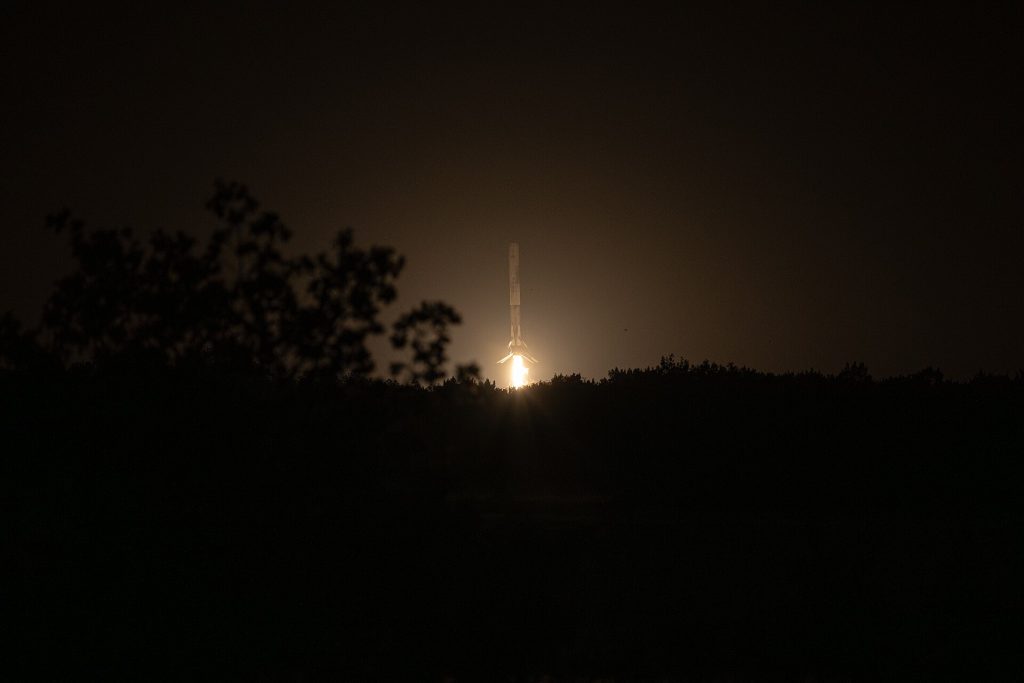
The first stage's entry burn lit three of the nine Merlin 1D engines, engines one, five and nine, to slow it for re-entry. After the landing burn and leg deployment, landing was confirmed. It was SpaceX's 208th landing of an orbital class rocket, counting Falcon 9 and Falcon Heavy. The booster had previously launched NROL-87, NROL-85, SARah-1, SWOT, Transporter-8 and five Starlink missions.
Second engine cutoff and good orbit were confirmed. Payload deployment was expected around T+15 minutes, but because of limited ground station coverage confirmation was expected later. The Starlink constellation was described as delivering internet to over 1.5 million people.
Questions this video answers
When and where did the Starlink mission launch?
Falcon 9 lifted off at 9:09 p.m. Pacific time on July 19, 2023 from SLC-4E at Vandenberg Space Force Base in California.
How many satellites were carried?
15 Starlink satellites, on Starlink group 6-15.
Why was the earlier attempt aborted?
An abort was called out at the T-5 second mark the previous day due to an alert on the second stage.
Did the booster land?
Yes. The first stage, on its 10th flight, landed on the drone ship Of Course I Still Love You, marking SpaceX's 208th landing of an orbital class rocket.
How much propellant did the rocket carry?
Once loading was complete, Falcon 9 held 1 million pounds of propellant.
Explore related missions
Connected by the topic: Falcon 9