Starlink Mission
What happened
-
Watch this moment · 8:56
48 satellites from Vandenberg, 12th booster flight
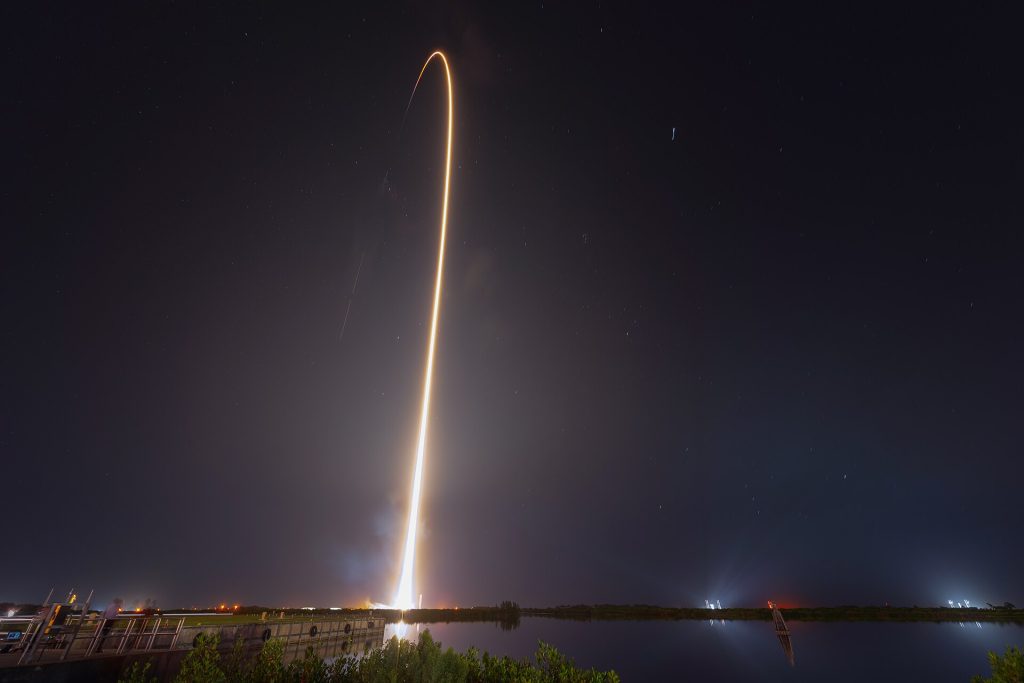
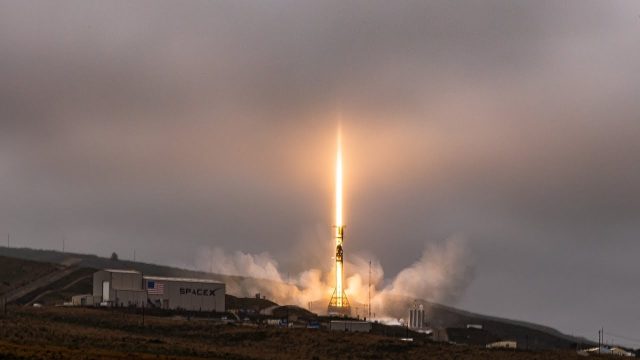
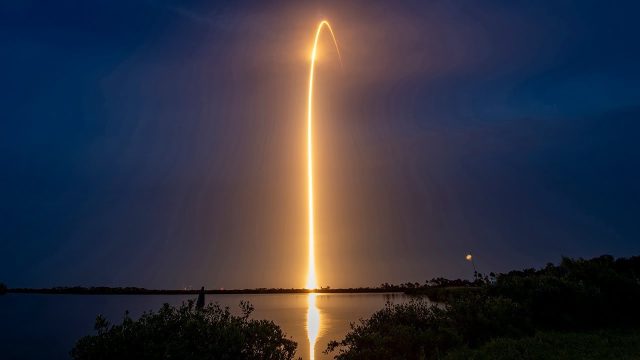
A Falcon 9 lifted off at 12:29 p.m. Pacific from Space Launch Complex 4 East at Vandenberg Space Force Base with 48 Starlink satellites. It was SpaceX's 45th launch of the year and 244th overall. The booster landed on the drone ship Of Course I Still Love You for its 12th landing.
-
Watch this moment · 10:28
A record 16th flight
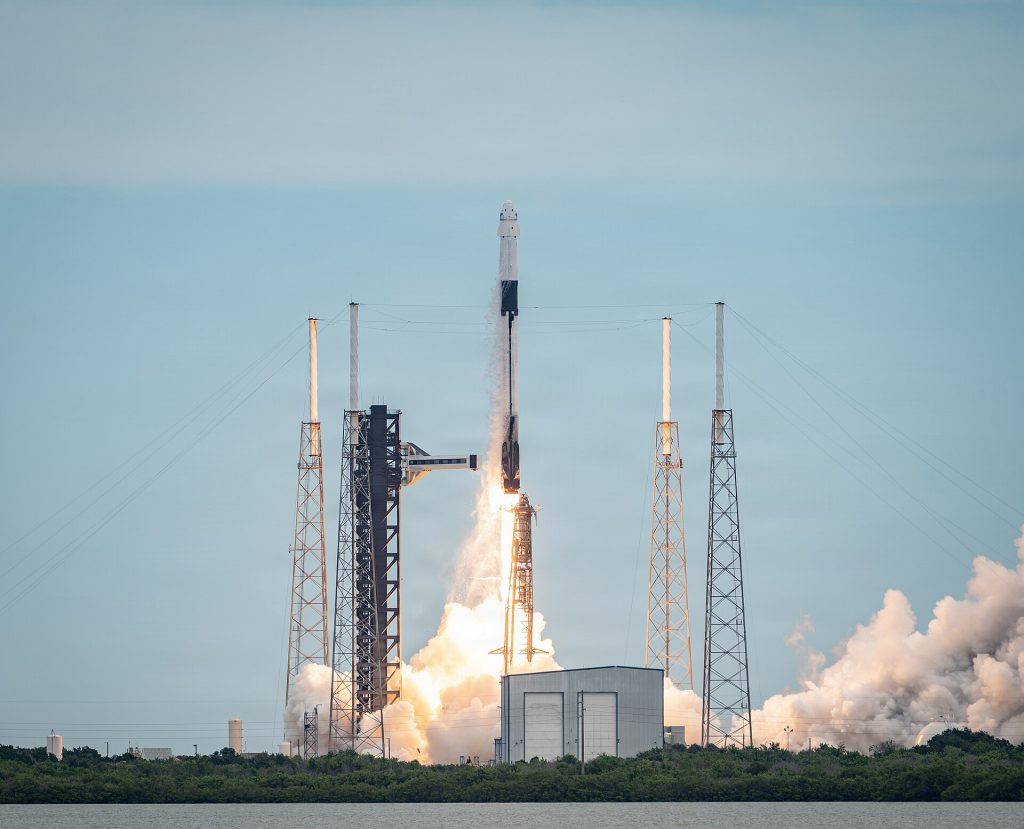
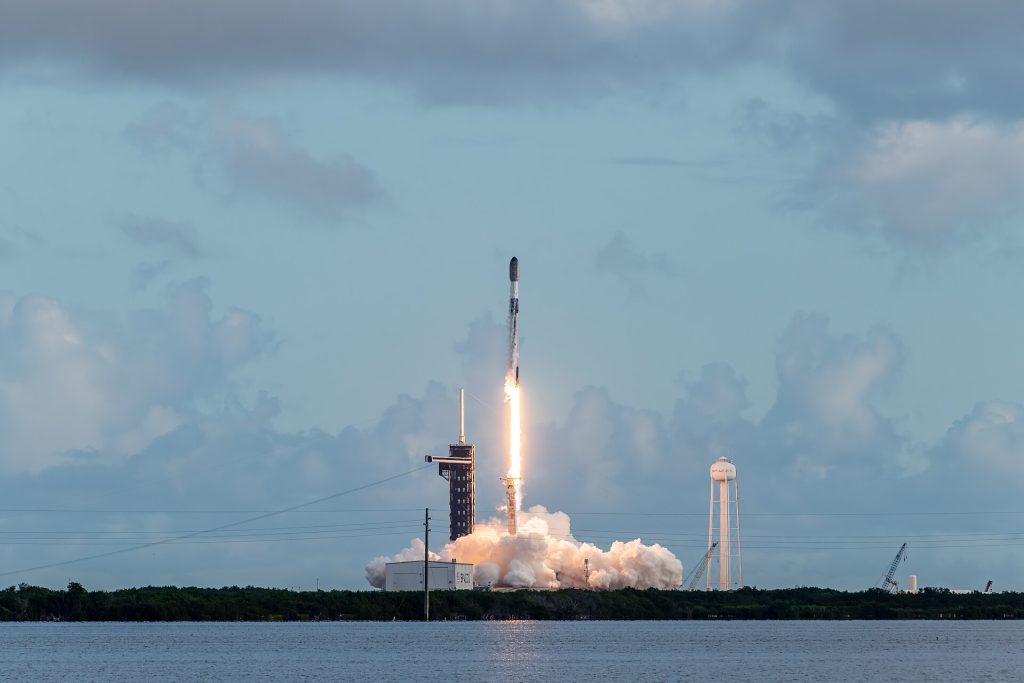
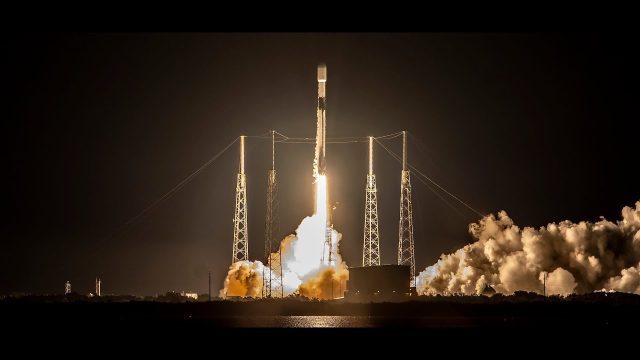
At 11:58 p.m. Eastern from Space Launch Complex 40 at Cape Canaveral, a booster flew for a record 16th time with 22 Starlink satellites. SpaceX's host said it first flew NASA astronauts Bob Behnken and Doug Hurley on Demo-2 in May 2020. It landed on the drone ship Just Read the Instructions, the 206th landing of an orbital-class rocket.
-
Watch this moment · 8:47
V2 Minis on a sixth-flight booster
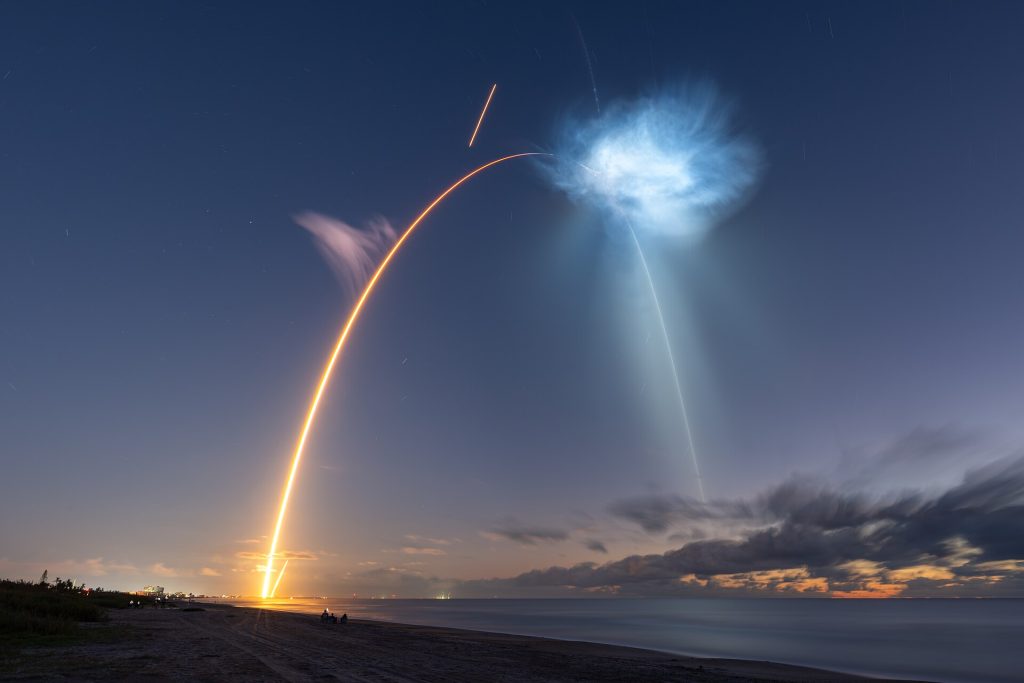
At 8:50 p.m. Eastern, a Falcon 9 launched 22 Starlink satellites from Cape Canaveral on a booster flying for the sixth time. It was SpaceX's 49th launch of the year and 248th overall. The host explained the V2 Mini satellite, smaller than the full-size V2 designed for Starship.
-
Watch this moment · 8:48
A 15th flight shortly after midnight
Lifting off at 12:01 a.m. Eastern, a Falcon 9 carried 22 Starlink satellites on its first stage's 15th flight. The host called it SpaceX's 50th launch of the year and 249th overall. Both fairing halves were flying for the second time. The video gives no date; the launch count places it between 23 July and 7 August.
-
Watch this moment · 7:55
A fourth flight with Crew-6 history
A Falcon 9 lifted off from Cape Canaveral at 11:41 p.m. Eastern with 22 Starlink satellites on a booster flying for the fourth time, which had previously supported Crew-6, SES O3b mPOWER and one earlier Starlink mission. The host called it the 53rd launch of the year. The date is not given in the video.
-
Watch this moment · 8:48
Launch in fog
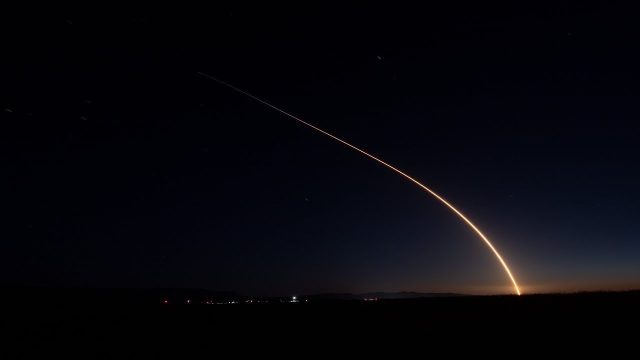
At 8:57 p.m. Pacific, 15 Starlink satellites left Vandenberg under heavy fog. The broadcast overlaid an outline of the rocket so viewers could see it. It was the 54th launch of the year and the 253rd overall.
-
Watch this moment · 8:59
13th flight, 255th mission
At 11:36 p.m. Eastern, a Falcon 9 launched 22 Starlink satellites from Cape Canaveral on a booster flying for the 13th time. The hosts said it had flown eight astronauts to the International Space Station on Crew-3 and Crew-4. It landed on the drone ship A Shortfall of Gravitas.
Key facts
| Vehicle | Falcon 9 |
|---|---|
| Mission name | Starlink Mission |
| Launch site | Cape Canaveral and Vandenberg |
| Crew size | 0 |
| Duration | About 20 minutes per launch webcast |
| Outcome | Success |
Videos about this mission
The videos, in date order
Drag, zoom or press play to watch them on this page.
July – August 2023
-
Falcon 9 Launches 48 Starlink Satellites on a 12th Booster Flight
SpaceX -
Falcon 9 Flies Booster for a Record 16th Time on Starlink Launch
SpaceX -
Falcon 9 Launches 22 Starlink V2 Minis on a Sixth-Flight Booster
SpaceX -
Falcon 9 Launches 22 Starlink Satellites on a 15th Booster Flight
SpaceX -
Falcon 9 Launches 22 Starlink Satellites on a Fourth Booster Flight
SpaceX -
Falcon 9 Launches 15 Starlink Satellites From Vandenberg in Fog
SpaceX -
Falcon 9 Starlink Launch: 22 Satellites and a 13th Booster Landing
SpaceX
Drag to explore dates · Select a video to preview.
Dates are when each video was first published on YouTube.
What a Starlink launch shows
Starlink is a satellite internet constellation that SpaceX designs and builds, aimed at people in remote and rural places, as the webcasts describe it. In video 418 the host said the V2 Mini satellite is much larger than earlier versions, with more advanced phased array antennas and E-band backhaul, giving about four times more capacity per satellite. The same video said Starlink had over 1.5 million subscribers at the time.
The launches also show reuse in practice. A first stage that lands can fly again, and SpaceX's hosts said that refurbishing the most expensive parts lowers the cost of reaching space. Fairing halves are recovered too: in these webcasts they were flying for the second to the tenth time.
The sequence every launch follows
The webcasts all follow one sequence, with the times in each video counted from liftoff.
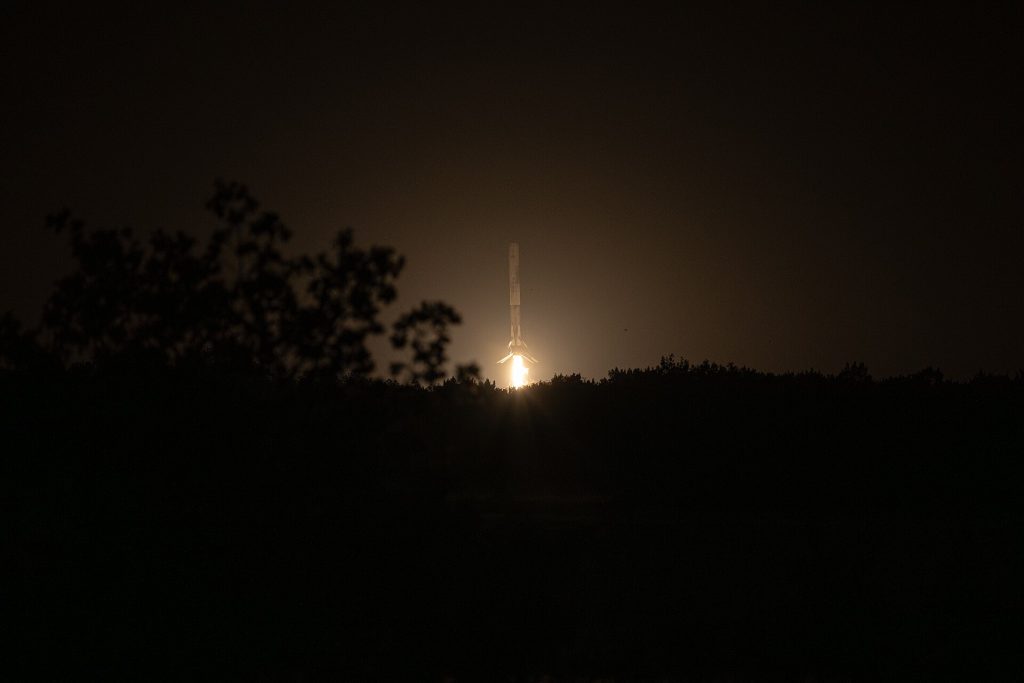
1. The range is declared ready and the weather checked, about four and a half minutes before liftoff. The strongback, the structure that lifts the rocket and feeds it propellant, retracts. 2. Rocket-grade kerosene (RP-1) and liquid oxygen are loaded. Falcon 9 then holds about 1 million pounds of propellant, per the hosts. 3. Startup: the flight computers take over the countdown, and the launch director gives the final go. 4. Max Q, the moment of greatest external stress, comes about a minute after liftoff. 5. Main engine cutoff shuts down all nine Merlin engines. The stages separate and the second stage's vacuum engine lights. The fairing halves open away. 6. The first stage relights engines one, five and nine for its entry burn, then makes a landing burn and touches down on a drone ship. 7. The second stage reaches orbit and the satellites are deployed.
What the next flight changed
The set ran from a fourth-flight booster to a record 16th flight within about six weeks. The host in video 418 gave the record as 16 flights, and the landing was counted as the 206th of an orbital-class rocket. SpaceX's own flight counts kept rising after these launches, but the figures here are limited to what the seven webcasts said.
Questions and answers
What is a Starlink mission?
A Falcon 9 launch carrying a batch of Starlink internet satellites, 15 to 48 in these seven webcasts, to low Earth orbit.
Which booster flew a record 16 times?
SpaceX's host said the booster that flew on 9 July 2023 was on its 16th flight and had first flown the Demo-2 astronauts in May 2020.
Where did these launches take place?
Two from Vandenberg in California, from Space Launch Complex 4 East, and five from Space Launch Complex 40 at Cape Canaveral in Florida.
Did the boosters land?
Yes. In all seven webcasts the first stage landed on a drone ship in the ocean.
What is a V2 Mini?
A second-generation Starlink satellite, smaller than the full-size V2 designed for Starship, but bigger than the first generation, according to the SpaceX host.
Sources: The facts and written text on this page come from the 7 videos on this page, by SpaceX.