Columbia STS-107
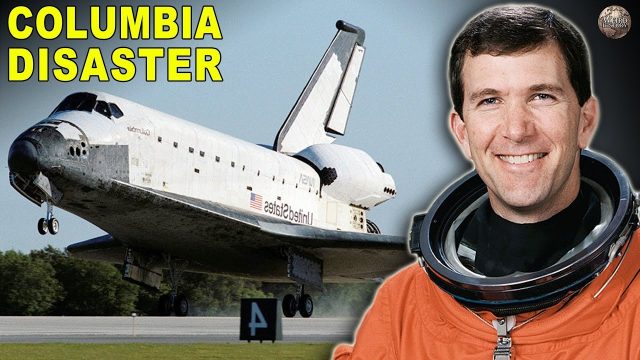
Space Shuttle Columbia broke up during re-entry over Texas on 1 February 2003, ending the 16-day STS-107 science mission and the lives of all seven crew: Rick Husband, Willie McCool, Michael Anderson, David Brown, Kalpana Chawla, Laurel Clark and Ilan Ramon. The Columbia Accident Investigation Board found that a piece of foam insulation from the external tank had struck the left wing's leading edge during launch.
What happened
All times local
-
16 January 2003
Launch
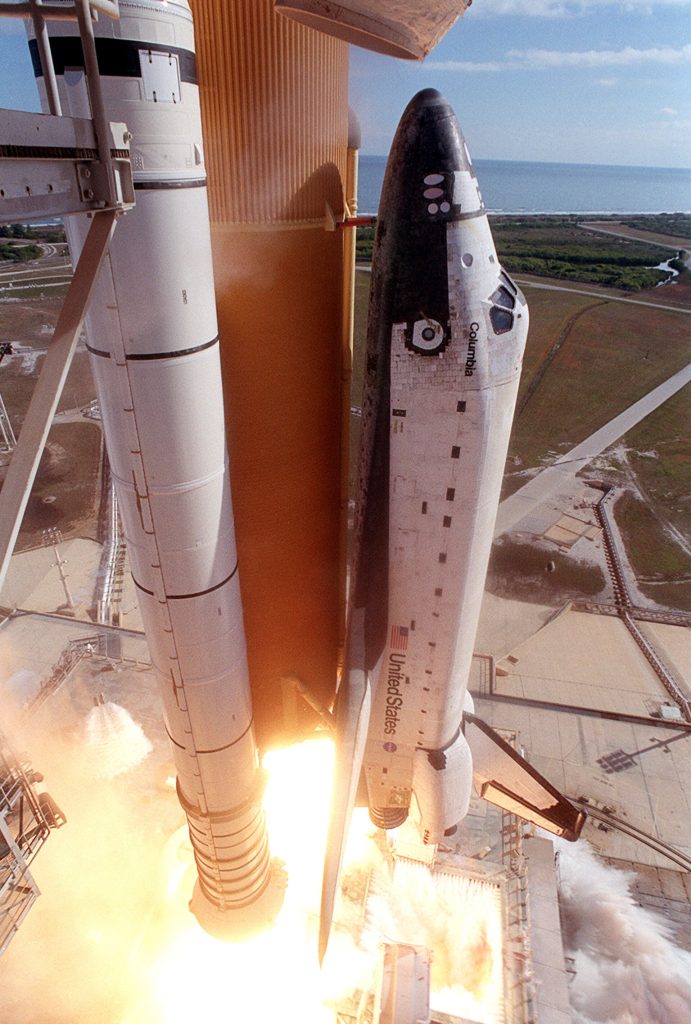
Columbia lifted off from Kennedy Space Center with a crew of seven on its 28th flight, carrying a science module in its payload bay.
-
Watch this moment · 1:13
Foam strike
Launch video showed a piece of orange foam insulation falling from the external tank and hitting the orbiter's left wing. Engineers assessed the strike during the mission with a software tool called Crater. It indicated tile damage, but not a safety-of-flight issue.
-
During the missionapproximately
A request for images
The documentary says that a request to use a spy telescope to look for damage was rejected, and that Crater's model had been calibrated on much smaller pieces of foam than the one that struck Columbia.
-
Watch this moment · 38:16
1 February 2003, 8:15 a.m. EST
Deorbit burn
The crew fired the shuttle's engines to begin the return from orbit. Re-entry began at about 8:44.
-
Watch this moment · 1:27
Unusual readings
Mission Control saw odd temperature readings along the left wing, then the left landing gear. Video 50 puts the first sensor losses at 8:54.
-
Watch this moment · 1:39
Last contact
Columbia was over Texas at about 39 miles up, moving at about 12,000 miles an hour. Mission Control had its last contact with the crew.
-
Watch this moment · 2:14
The scheduled landing time passes
Columbia did not arrive. NASA declared an emergency at 9:29 and impounded the data for the investigation.
-
Watch this moment · 0:12
Foam test on a wing panel
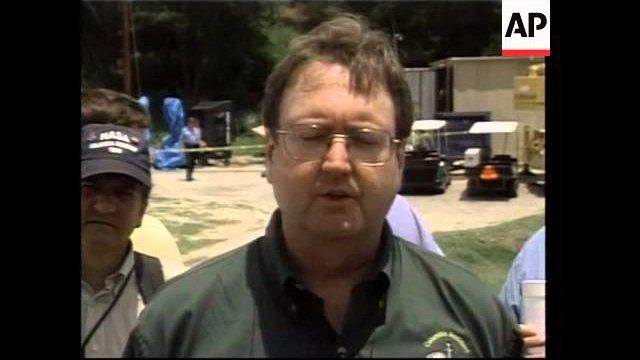
In the test shown in video 65, investigators fired a block of foam from a gun at a reinforced carbon-carbon panel from shuttle Atlantis, and the foam blew a hole in the panel.
-
Watch this moment · 0:52
26 August 2003approximately
The Board's report
The Columbia Accident Investigation Board published its findings. Board member Scott Hubbard says in video 65 that the foam block from the external tank was the most probable direct cause.
Key facts
| Vehicle | Space Shuttle |
|---|---|
| Mission name | Columbia STS-107 |
| Launch site | Kennedy Space Center LC-39A |
| Crew | Rick Husband, William C. McCool, Kalpana Chawla, David M. Brown, Laurel Clark, Michael P. Anderson, Ilan Ramon |
| Crew size | 7 |
| Duration | 15 days, 22 hours |
| Outcome | Failure |
Official finding · Columbia Accident Investigation Board, Report Volume I, August 2003
Foam from the external tank struck the left wing's reinforced carbon-carbon leading edge during launch and breached it; hot gases entered the wing on re-entry. The Board also found organisational causes: NASA's culture and decision-making.
Videos about this mission
The videos, in date order
Drag, zoom or press play to watch them on this page.
July 2015 – November 2026
-
Columbia STS-107: Foam Impact Test Blows Hole in Wing Panel
AP Archive -
Columbia STS-107: How Foam Damage Led to Seven Deaths on Reentry
Weird History -
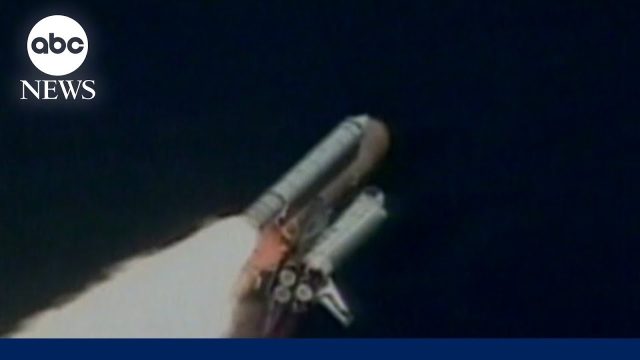
Columbia Disaster: How ABC News Reported the Shuttle’s Loss
ABC News -
Columbia STS-107: How a Foam Strike Led to the Shuttle’s Loss
100% True Docs | Full Documentaries -
Columbia STS-107: From Foam Strike to Breakup on Re-entry
Documentary Overload -
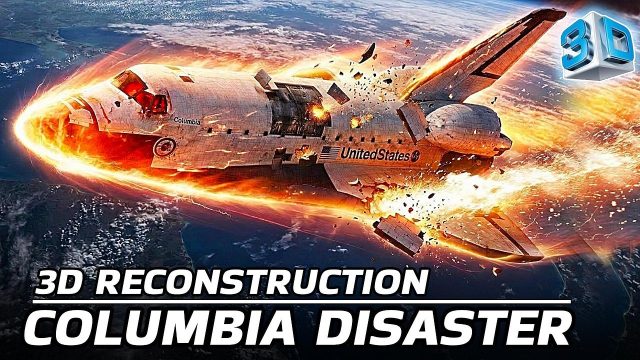
Columbia STS-107: How a Foam Strike Led to Breakup on Re-entry
3DCrash -
Columbia’s Last Mission: Foam Strike to Breakup Over Texas
The Infographics Show -
Columbia STS-107: How a Foam Strike and Missed Imagery Led to Loss
Andy R Animations -
Columbia STS-107: Five Failures Behind the Foam Strike on the Wing
Holes Aligned
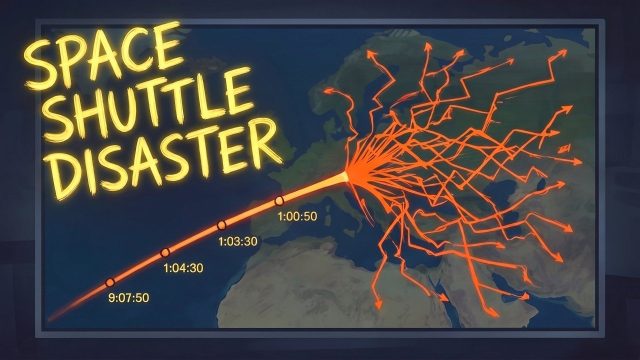
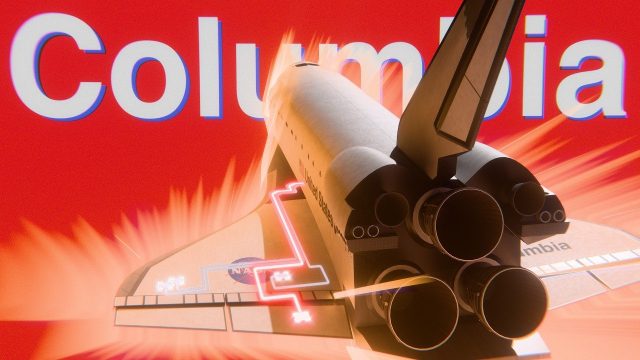
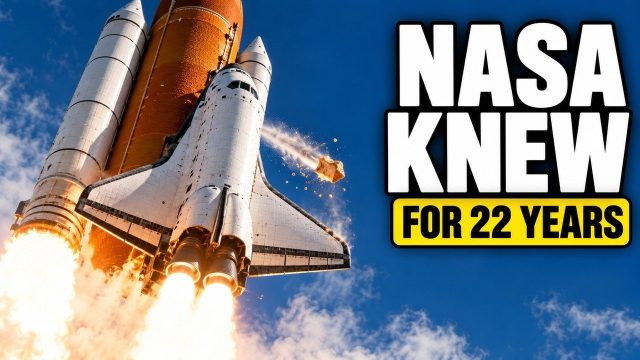
Drag to explore dates · Select a video to preview.
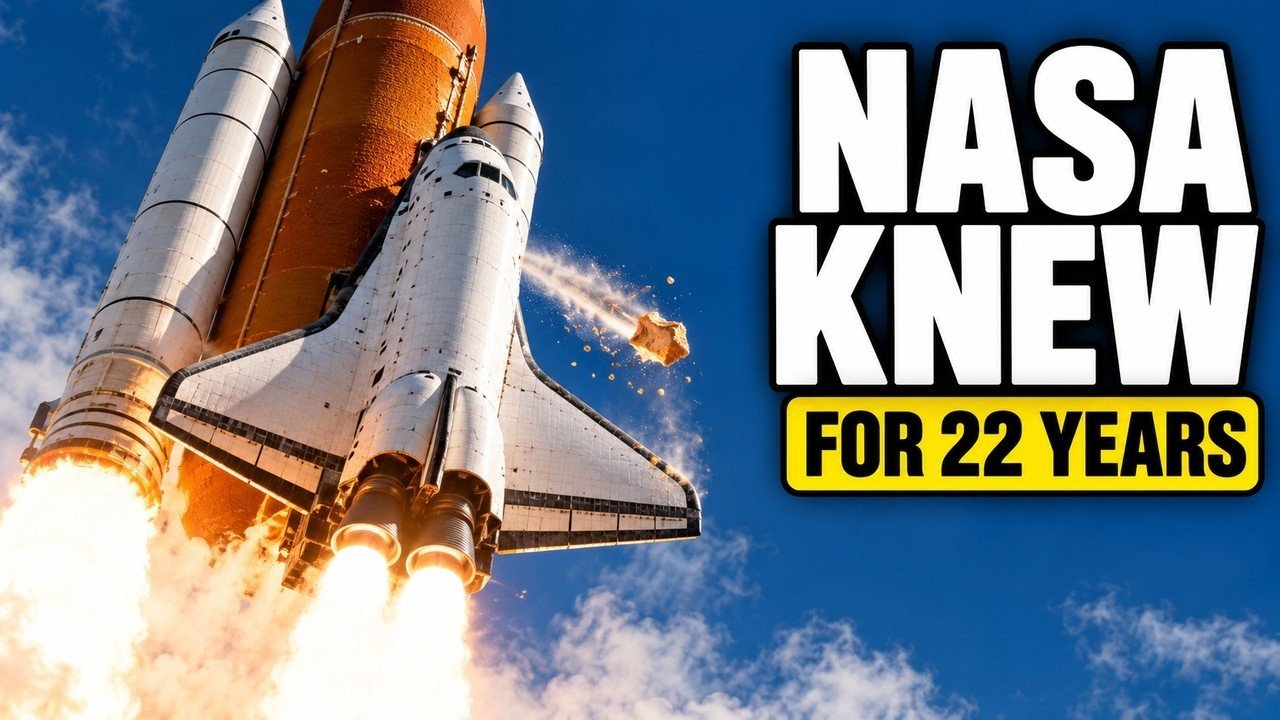
Dates are when each video was first published on YouTube.
The crew and the mission
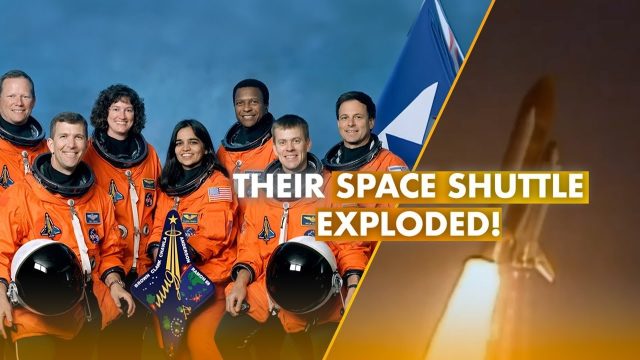
The crew of STS-107 were Rick Husband, commander; Willie McCool, pilot; Michael Anderson, payload commander; David Brown, mission specialist; Kalpana Chawla, mission specialist and flight engineer; Laurel Clark, mission specialist; and Ilan Ramon, payload specialist, the first Israeli astronaut.
The flight was a dedicated research mission, with a science module in the payload bay and experiments running around the clock in two shifts. It was Columbia's 28th flight.
The foam strike and the wing
Video 50 summarises what the Board found. About 81 seconds after launch, a piece of insulating foam came off the external tank and struck the leading edge of the left wing. The edge is made of reinforced carbon-carbon panels, which were believed to be very strong. The hole let hot gas into the wing during re-entry, and the structure inside failed.
The Board's report also looked at how NASA judged the risk. Foam had come off tanks on earlier flights without a loss, and engineers who thought the strike might be serious were not able to get images of the wing. The Board named organisational causes alongside the physical one.
What the Board did
The wreckage was spread over a wide area of Texas and neighbouring states. Investigators matched the sensor data that Columbia sent down with the pieces that were found, and tested foam impacts on wing panels. The test in video 65 led the Board to conclude that foam could breach a panel.
What the next crews carried forward
After the Board's findings, NASA redesigned the external tank's foam, added cameras to the launch, and developed ways to inspect the shuttle's wings in orbit and to repair them. The Board also recommended better imaging on the ground. Shuttle flights resumed in July 2005 and ended in 2011. Every later crew inspected their shuttle's heat shield in orbit.
The crew's names are on the Space Mirror Memorial at the Kennedy Space Center Visitor Complex.
Questions and answers
What was STS-107?
A 16-day science mission of Space Shuttle Columbia, launched on 16 January 2003, with seven crew members.
What happened to Columbia?
The shuttle broke up during re-entry over Texas on 1 February 2003, about 16 minutes before its planned landing. All seven crew members were lost.
What caused the accident?
The Columbia Accident Investigation Board found that a piece of foam insulation from the external tank struck the left wing's leading edge during launch, and that hot gas entered the wing during re-entry. It also identified organisational causes.
Who was on board?
Rick Husband, Willie McCool, Michael Anderson, David Brown, Kalpana Chawla, Laurel Clark and Ilan Ramon.
What changed after Columbia?
NASA changed the external tank foam, added launch imagery and in-orbit inspection of the heat shield, and returned to flight in 2005. Video 65 outlines the early recommendations.
Sources: The facts and written text on this page come from the 9 videos on this page, by AP Archive, Weird History, ABC News, 100% True Docs | Full Documentaries, Documentary Overload, 3DCrash, The Infographics Show, Andy R Animations, ….