Columbia Disaster: How ABC News Reported the Shuttle’s Loss
The short version
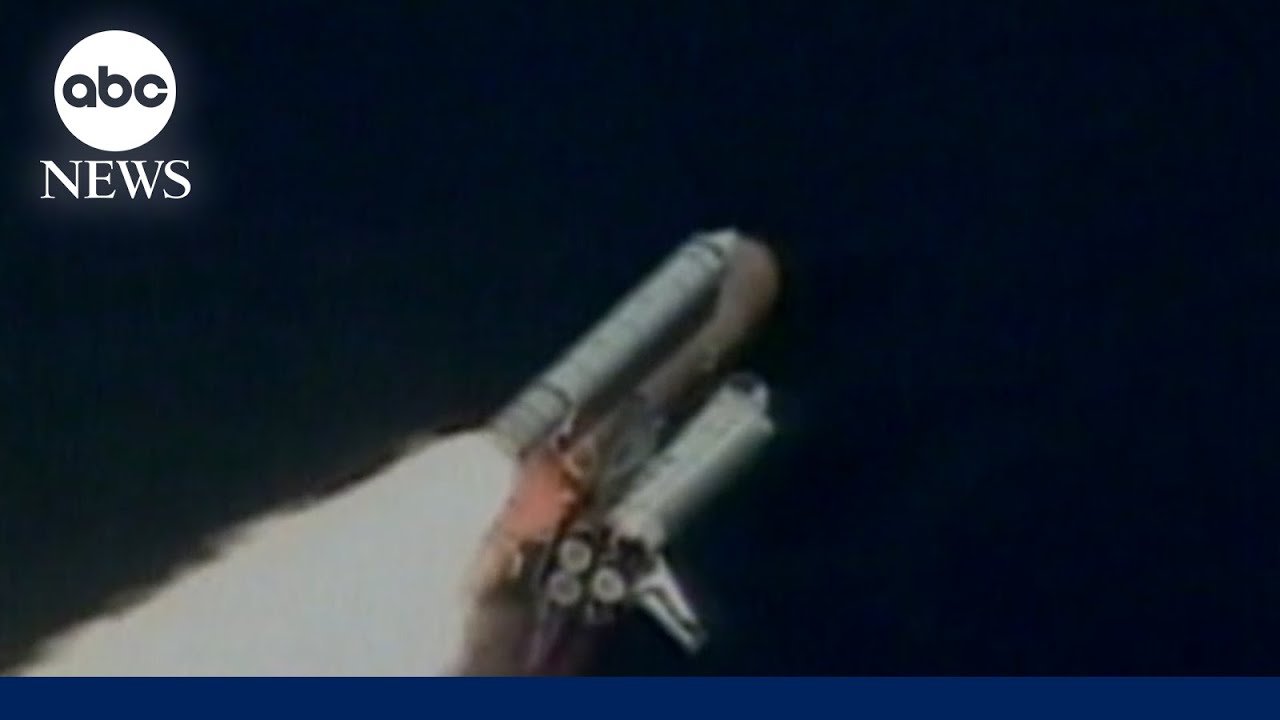
ABC News' Feb. 1, 2003 broadcast reported that Space Shuttle Columbia broke up on re-entry, killing all seven astronauts, about 16 minutes from home. It follows the morning's timeline from the engine burn to the loss of contact over Texas, and the early questions about insulation striking the wing at liftoff. The description adds that an investigation later found damaged tiles let super-heated gases into the wing.
Full written account
Seven astronauts died on Feb. 1, 2003, when Space Shuttle Columbia broke apart while returning to Earth, about 16 minutes from home. The shuttle was at 200,000 feet, travelling 12,500 mph, when it suddenly broke up. The families were waiting by the runway in Florida for a reunion.
The final morning
Columbia was finishing a 16-day science mission with seven astronauts and 70 experiments. Landing was planned for 9:16 a.m. Eastern time on the runway at Kennedy Space Center. At 8:15 a.m. the crew fired their engines to begin the return from orbit.
At 8:53 a.m., Mission Control saw odd temperature readings along the left wing. A few minutes later there were more oddities, apparently involving the landing gear on the left side.
At 8:59 a.m. the shuttle was over Texas, 39 miles high and moving at 12,000 mph. Mission Control had its last contact with the crew. Houston told Columbia it saw the tire pressure messages and had not copied the crew's last transmission. There was nothing more.
On the ground
People on the ground saw the streak of the shuttle breaking up, then debris raining from the sky. Some compared the sound to a boomerang whizzing through the air. At 9:16 a.m., the scheduled landing time passed. At 9:29 a.m. NASA officially declared an emergency and impounded all data for the investigations. At 2 p.m. the president addressed the nation.
A satellite radar image showed parts of North Texas where most of the debris may have fallen. People as far west as California and Utah thought they also saw debris.
The question of the cause
Some engineers wondered whether the trouble began at liftoff, when insulation came off the big orange fuel tank and apparently struck the orbiter wing. The technical community had looked at it and judged it acceptable. NASA said there was no indication that anyone or anything on the ground caused the mishap, and no sign of terrorism.
Engineers said anything at that point was speculation. They described a sequence of events, one leading to another. An investigation later determined that tiles damaged during liftoff allowed super-heated atmospheric gases to penetrate the wing during re-entry, making the ship unstable so that it quickly disintegrated. The crew had not been told of any risk and did not know something was wrong until very late in re-entry.
The chief flight director said: "When we have a bad day we find the problem and go fix it."
Questions this video answers
How many people died in the Columbia disaster?
Seven astronauts died when Columbia broke up during re-entry.
How high and how fast was Columbia when it broke up?
Columbia was at 200,000 feet, travelling 12,500 mph, when it suddenly broke up.
Where and when was Columbia due to land?
Landing was planned for 9:16 a.m. Eastern time on the runway at Kennedy Space Center in Florida.
What was suspected as the cause?
The 2003 broadcast said some engineers wondered whether the trouble began at liftoff, when insulation came off the external fuel tank and apparently struck the wing. Engineers said anything at that point was speculation, and the description says a later investigation found damaged tiles let hot gases enter the wing.
When was the last contact with the crew?
At 8:59 a.m., with the shuttle over Texas, 39 miles high and moving at 12,000 mph.
Explore related missions
Connected by the topic: Space Shuttle