Challenger STS-51-L
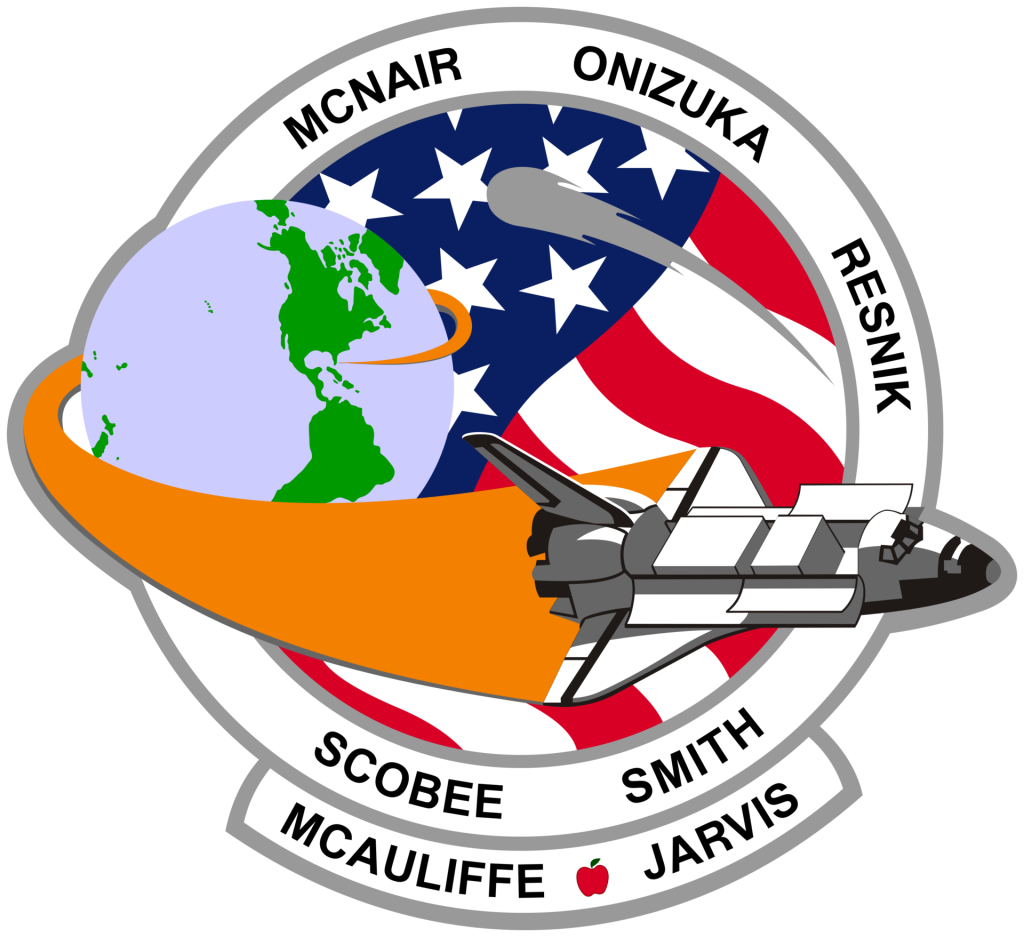
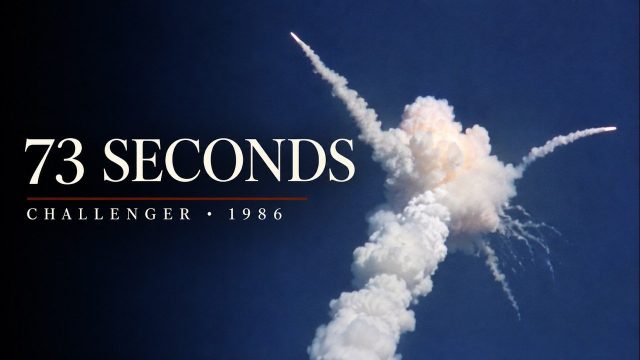
Space Shuttle Challenger broke apart 73 seconds after liftoff on 28 January 1986, ending mission STS-51-L and the lives of all seven crew: Dick Scobee, Michael Smith, Ellison Onizuka, Judith Resnik, Ronald McNair, Gregory Jarvis and Christa McAuliffe. The Rogers Commission found that a seal in the aft field joint of the right solid rocket booster had failed.
What happened
All times local
-
28 January 1986, 11:38 a.m. EST
Liftoff
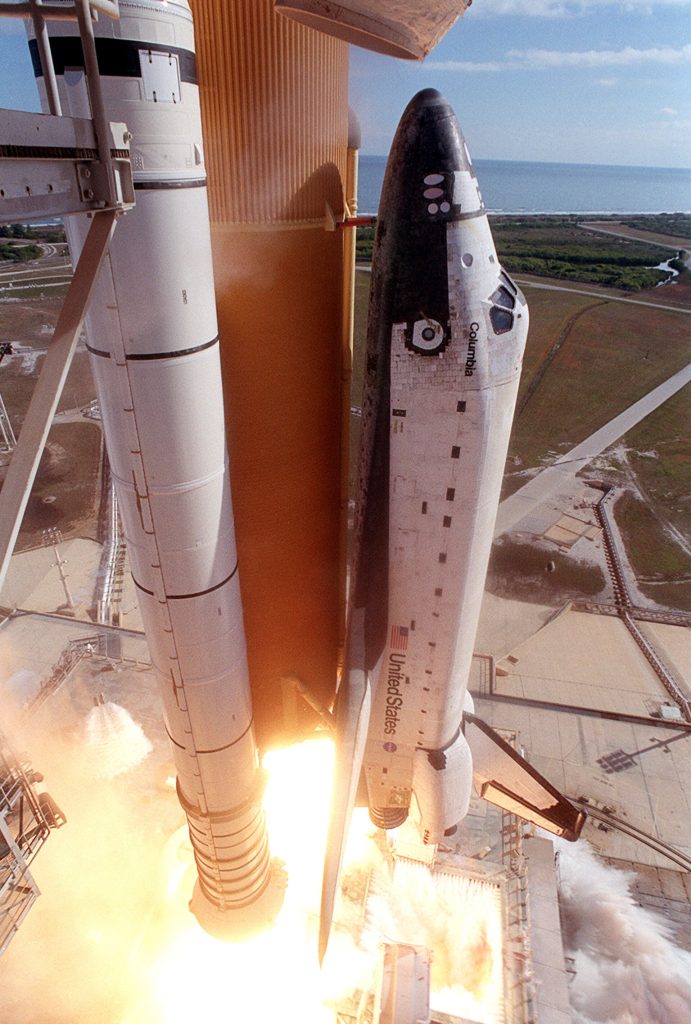
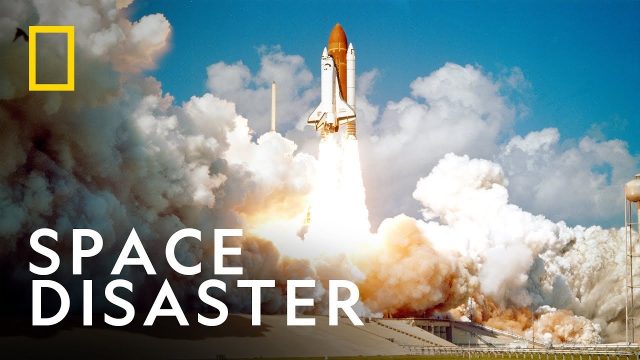
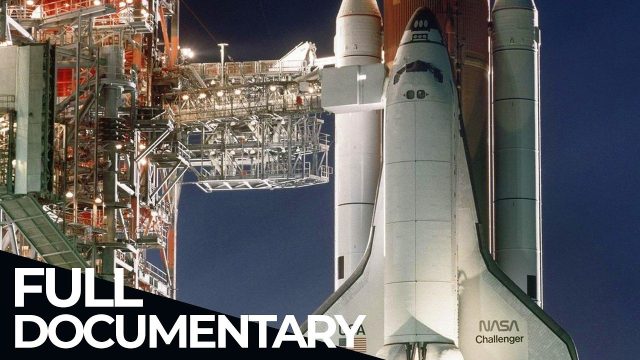
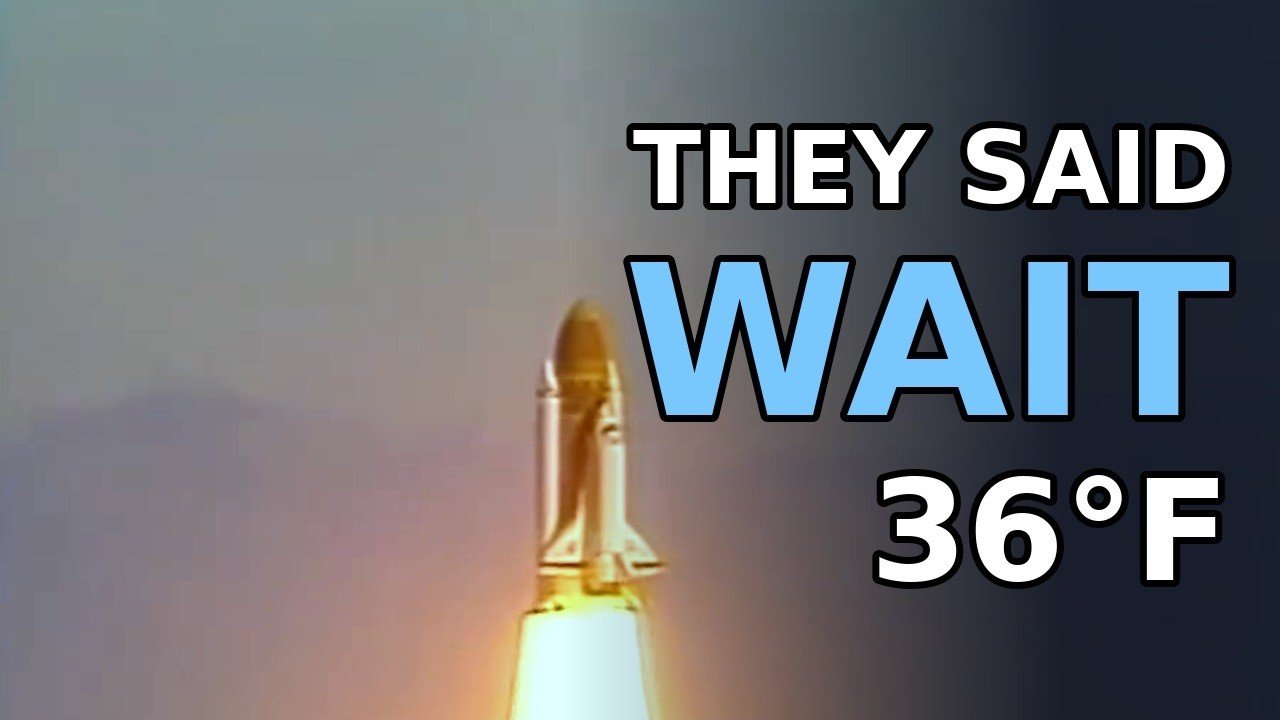
Challenger lifted off from Launch Complex 39B on the 25th shuttle flight. The air temperature was 36 degrees Fahrenheit, 15 degrees colder than at any earlier launch.
-
0.678 seconds
Gray smoke
Film shows puffs of gray smoke from the right booster's aft field joint at the moment of ignition.
-
58.788 seconds
First flame
The first flame appears on the right booster. The plume then penetrated the external tank, and a hydrogen leak began.
-
About 73 seconds
Breakup
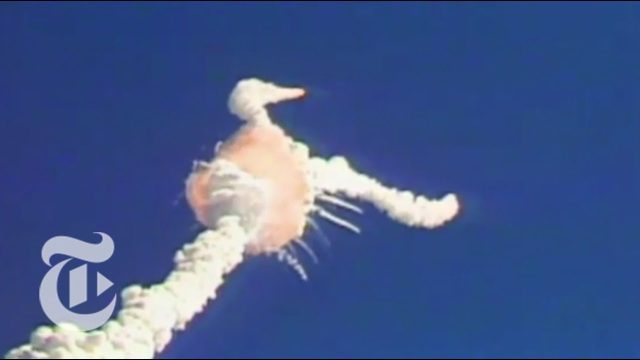
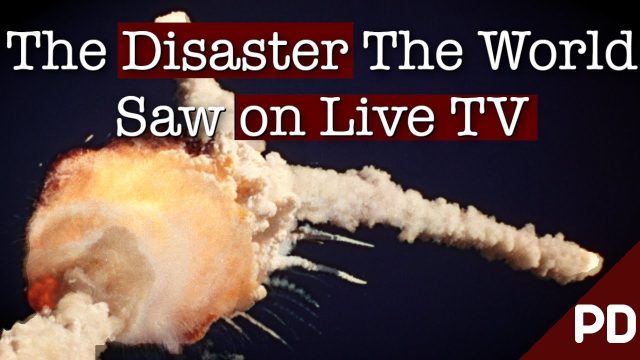
The photo analysis dates the total breakup of the vehicle at 73.213 seconds, at about 46,000 feet, as video 60 gives the altitude.
-
After the accident
The search for debris
Debris and the crew compartment were recovered from the Atlantic in a long search.
-
6 June 1986
The Rogers Commission report
The presidential commission concluded that the failure of the aft field joint seal on the right booster caused the accident.
Key facts
| Vehicle | Space Shuttle |
|---|---|
| Mission name | Challenger STS-51-L |
| Launch site | Kennedy Space Center LC-39B |
| Crew | Dick Scobee, Michael J. Smith, Ellison Onizuka, Judith Resnik, Ronald McNair, Gregory Jarvis, Christa McAuliffe |
| Crew size | 7 |
| Duration | 73 seconds |
| Outcome | Failure |
Official finding · Presidential Commission on the Space Shuttle Challenger Accident (Rogers Commission), June 1986
The Commission found that the cause was the failure of the pressure seal in the aft field joint of the right solid rocket booster, which let hot gas through; it also found fault in NASA's decision-making and its handling of known problems with the joint.
Videos about this mission
The videos, in date order
Drag, zoom or press play to watch them on this page.
June 2014 – November 2026
-
Challenger: O-Rings, a Cold Launch Night and NASA’s Decisions
The New York Times -
Challenger STS-51L: How Cold O-Rings Led to the 1986 Disaster
Mr. Beat -
Challenger 51-L: O-Rings, a Cold Launch and the Decision to Go
M M -
Challenger: How Cold-Shrunk O-Rings Led to the Booster Leak
History -
Challenger STS-51-L: The 73 Seconds From Liftoff to Breakup
The Infographics Show -
Challenger STS-51-L: The O-Ring Seals, Cold Launch and Rogers Report
Plainly Difficult -
Challenger 51-L: From Teacher in Space to the Loss of Seven Crew
National Geographic -
Challenger 1986: O-Ring Failure and the Loss of Seven Astronauts
National Geographic UK -
Challenger: How a Cold-Weather O-Ring Failure Led to the Disaster
Free Documentary – Space -
Challenger STS-51-L: Cold, O-Rings and the Rogers Commission
DocuReal -
Challenger STS-51-L: NBC4’s Live Broadcast of the 1986 Launch
Nbcla -
Challenger STS-51-L: O-Ring Failure, Cold Launch and Return to Flight
FilmRise Television -
Challenger STS-51-L: The Night Engineers Said Don’t Launch
Margin of Loss -
Challenger: the O-Ring Chart and the Launch-Eve Teleconference
Failure Point for You -
Challenger STS-51-L: The Seals, the Cold and 73 Seconds
Horror Archive -
Challenger’s Wreckage: Why NASA Sealed It in Missile Silos
Rocketyard -
Challenger: How Thiokol’s Engineers Were Overruled the Night Before
Hubris Engine -
Challenger STS-51-L: O-Ring Warnings, Cabin Evidence, Rogers Findings
Hidden Timeline -
Challenger STS-51-L: O-Rings, Cold and the Overruled Warning
Cindermap -
Challenger STS-51-L: The Cold O-Ring and the Launch Call
Matter & Empire -
Challenger STS-51-L: The O-Ring Warning and the 73-Second Flight
CliphangerEntertainment
Drag to explore dates · Select a video to preview.
Challenger STS-51-L: The O-Ring Warning and the 73-Second Flight
CliphangerEntertainment
Watch videoDates are when each video was first published on YouTube.
The crew
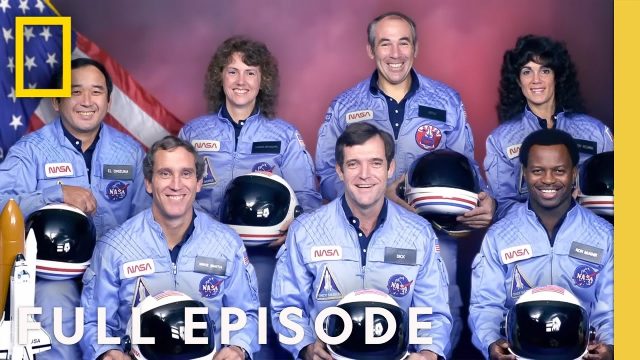
The crew of STS-51-L were Dick Scobee, commander; Michael J. Smith, pilot; Ellison Onizuka, Judith Resnik and Ronald McNair, mission specialists; and Gregory Jarvis and Christa McAuliffe, payload specialists. McAuliffe had been chosen as the first Teacher in Space. Video 28 follows her selection and the crew's training.
The joint, the cold and the decision
The boosters are made of segments joined by field joints sealed with rubber O-rings. In video 206 the engineers explain how the joint worked, and tell of earlier signs of hot gas getting past the seals on earlier flights. The night before the launch, engineers recommended against launching below 53 degrees Fahrenheit, and the video relates the teleconference in which that recommendation was discussed.
On launch day the rubber was colder than on any earlier flight and the seal did not hold. Video 45 summarises the Commission's finding that NASA had at times broken its own safety rules and had not acted on engineers' warnings.
The Rogers Commission
The Commission, chaired by William Rogers, used the film and telemetry record to trace the leak to the right booster's aft field joint. The physicist Richard Feynman, a member, showed in a hearing how a piece of the rubber seal behaves in cold water, a demonstration that video 206 includes.
What the next crews carried forward
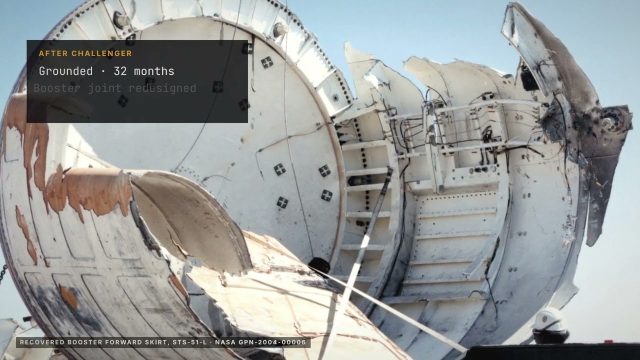
The booster joint was redesigned, and NASA changed how it made launch decisions. The shuttle returned to flight in September 1988 with Discovery on STS-26, after a gap of more than two and a half years. Video 28 ends with that return to flight.
The crew of Challenger are remembered by the families who founded the Challenger Center for Space Science Education.
Questions and answers
What happened to Challenger?
It broke apart 73 seconds after liftoff on 28 January 1986. All seven crew members were lost.
What caused the accident?
The Rogers Commission found that a seal in the aft field joint of the right solid rocket booster failed, and that NASA's decision-making was a factor.
Who was on board?
Dick Scobee, Michael J. Smith, Ellison Onizuka, Judith Resnik, Ronald McNair, Gregory Jarvis and Christa McAuliffe.
Why was the weather important?
It was the coldest launch of the programme to that date, 36 degrees Fahrenheit, and the rubber seals are less able to seal in the cold.
When did the shuttle fly again?
In September 1988, on STS-26.
Sources: The facts and written text on this page come from the 21 videos on this page, by The New York Times, Mr. Beat, M M, History, The Infographics Show, Plainly Difficult, National Geographic, National Geographic UK, ….