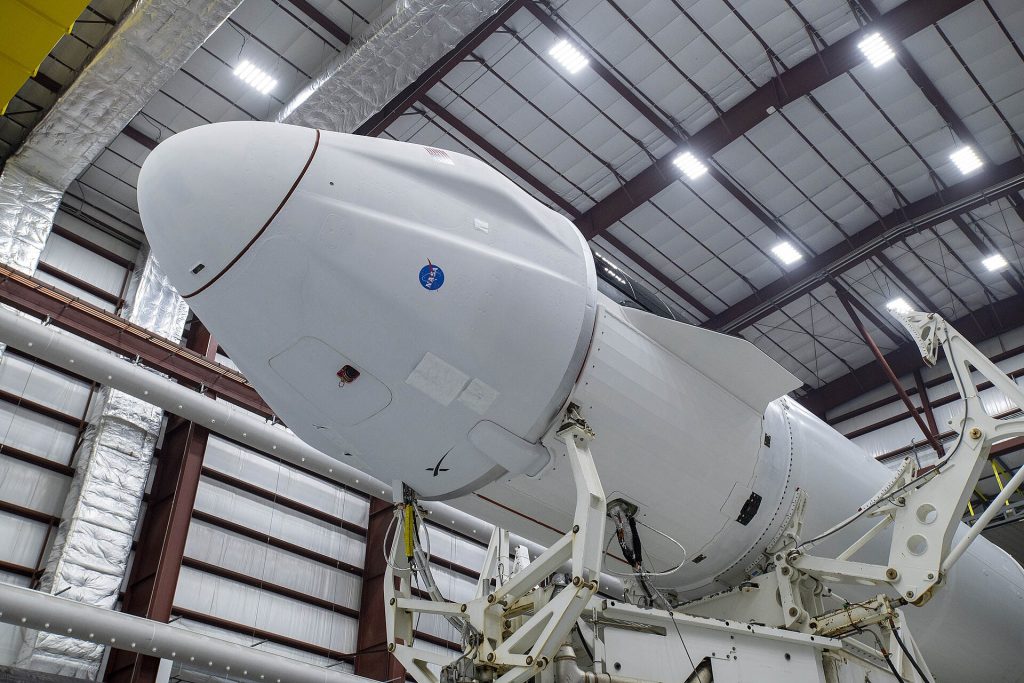
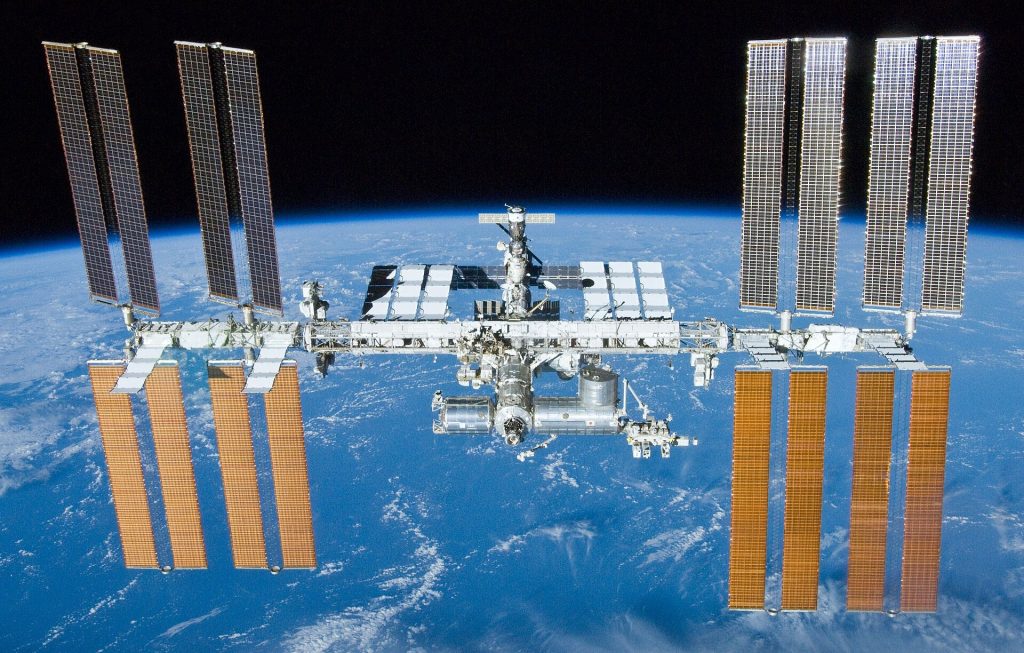
International Space Station
The International Space Station program began in 1998 with the launch of the Zarya module, the first piece of a station assembled from Russian, American and European parts. The facts list its outcome as in progress, and plans now call for it to be deorbited.
What happened
-
Watch this moment · 8:00
US and Russia announce a joint space station
Al Gore and Viktor Chernomyrdin announced plans for a joint station that went on to become the ISS, according to Curious Droid.
-
Watch this moment · 1:47
Zarya launches on a Proton rocket
A Russian rocket carried the first module of the planned station to orbit. An astronaut recalls watching the launch at home with his crew.
-
Watch this moment · 3:20
About two weeks laterapproximately
Endeavour carries the first American element
The shuttle crew entered the station, with the American and Russian crew members passing through the hatch side by side.
-
Watch this moment · 13:13
Later yearsapproximately
The first all-woman spacewalk is completed
It came after 220 earlier ISS spacewalks. An earlier attempt had been cancelled at short notice because of a lack of suitable suits.
-
Watch this moment · 18:44
Crew see Ukraine blacked out from orbit
An astronaut describes flying over Europe and seeing the country dark apart from Kyiv, which prompted discussion among crew members.
-
Watch this moment · 0:00
Around 2030approximately
Planned deorbit at Point Nemo
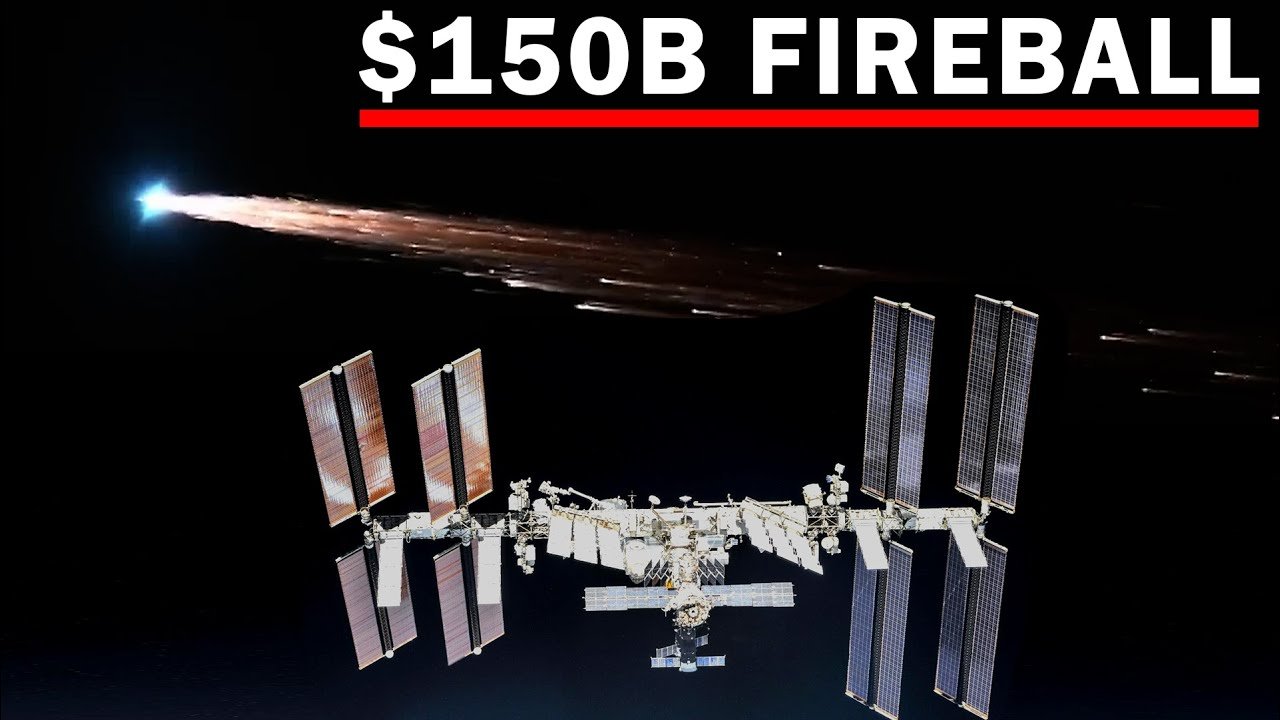
Curious Droid says SpaceX will deorbit the station, with remains falling into the sea at Point Nemo.
Key facts
| Vehicle | Proton, Soyuz, Space Shuttle |
|---|---|
| Mission name | International Space Station |
| Outcome | In progress |
Videos about this mission
The videos, in date order
Drag, zoom or press play to watch them on this page.
May – July 2024
Drag to explore dates · Select a video to preview.
Dates are when each video was first published on YouTube.
From Cold War rivals to a joint station
Curious Droid traces the station to separate US and Soviet space station plans in the 1970s, 1980s and early 1990s. It also covers Wernher von Braun's rotating wheel concept.
In the DW Documentary, interviewees describe the 1990s as a good moment for partnership. The Soviet Union had broken up, Russia had experience with Salyut and Mir, and the Americans, as one speaker puts it, had the money. Modules were built in Russia, the US and Europe.
Zarya and the first entry into the station
The DW Documentary dates the launch of Zarya on a Proton rocket to 20 November 1998. A crew member says it reached orbit successfully and that his own shuttle mission was due about two weeks later.
When Endeavour arrived with the first American element, the crew entered the station together. The shuttle commander and a Russian cosmonaut went through the hatch side by side, a choice speakers describe as deliberate for an international station.
Life aboard versus the case for retirement
The DW Documentary covers life and events on board: the Cupola's view of Earth, the first all-woman spacewalk, an aborted Soyuz launch that left a crew of three aboard for longer, and a crew's view of Ukraine during the war.
Curious Droid concentrates on why the station is to be retired. It lists thermal expansion and metal fatigue, atomic oxygen erosion, debris impacts and orbital decay, and says the design life was about 20 years. It also names Axiom, Orbital Reef, Starlab and a Northrop Grumman proposal as candidate commercial replacements.
Open questions about the station's end
Neither video reports an official, final retirement decision beyond the plans described. Curious Droid says SpaceX will deorbit the station around 2030, while DW interviewees say plans exist for a vehicle to push it out of orbit, probably over the South Pacific, and that the whole 420-ton station must be brought down together.
Curious Droid says Roscosmos has given varying end dates, including 2025 from its head and a later suggestion of 2028, and that NASA had received no notice of an exit. It also warns that NASA would have to move quickly for a replacement to be ready by 2030. These are the presenter's account, not an official finding.
Sources: The facts and written text on this page come from the 2 videos on this page, by DW Documentary, Curious Droid.