International Space Station
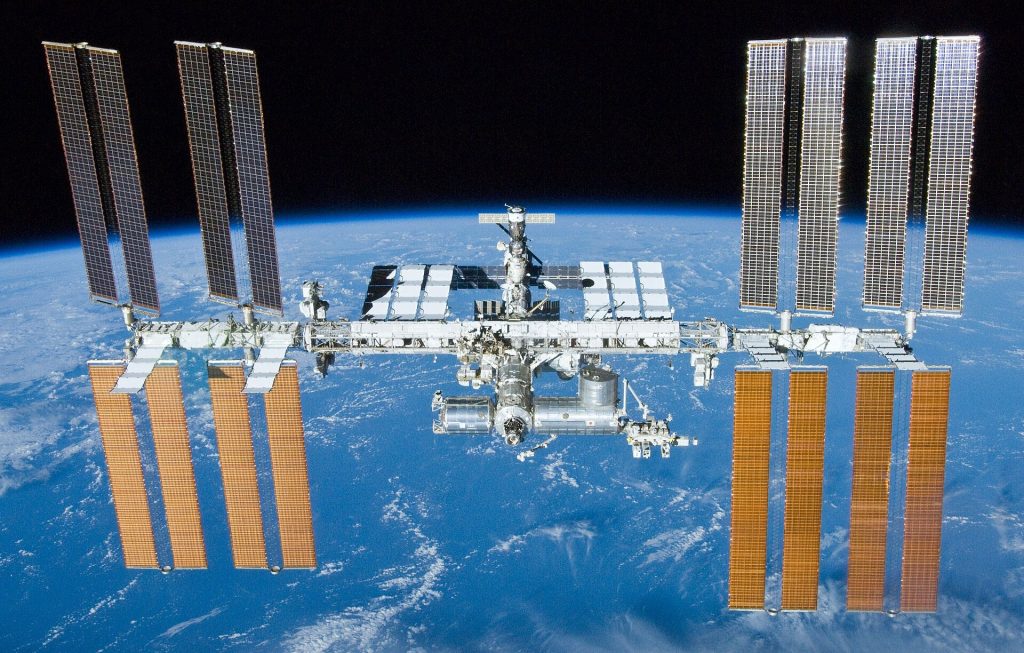
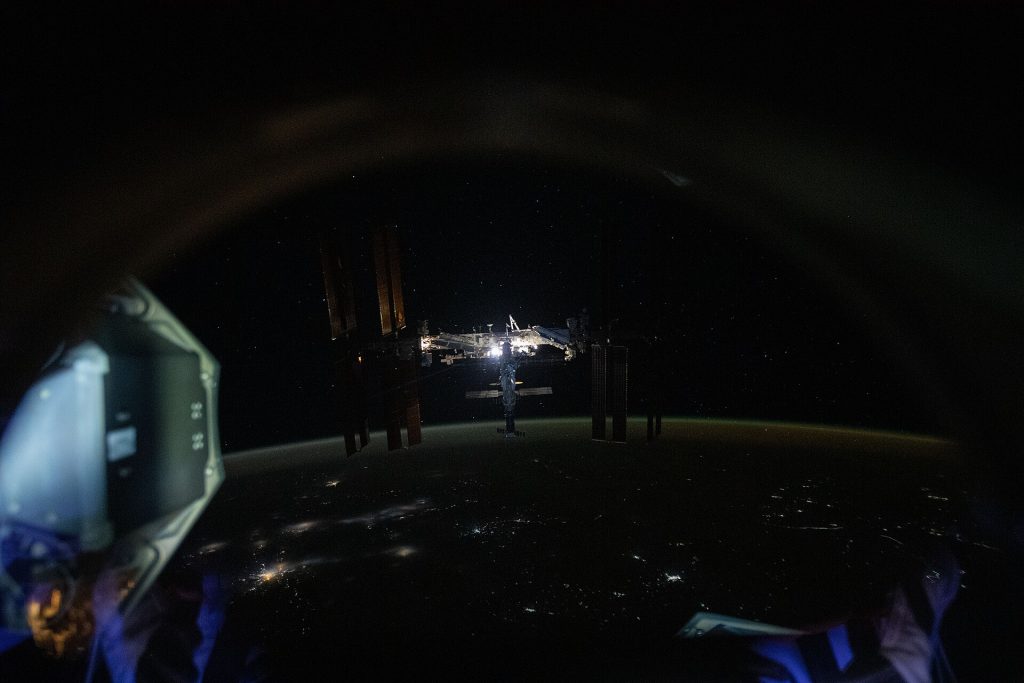
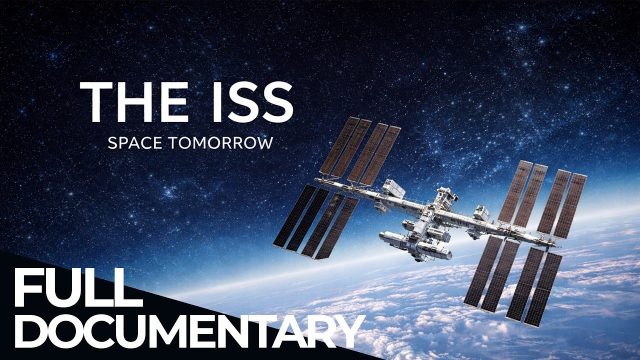
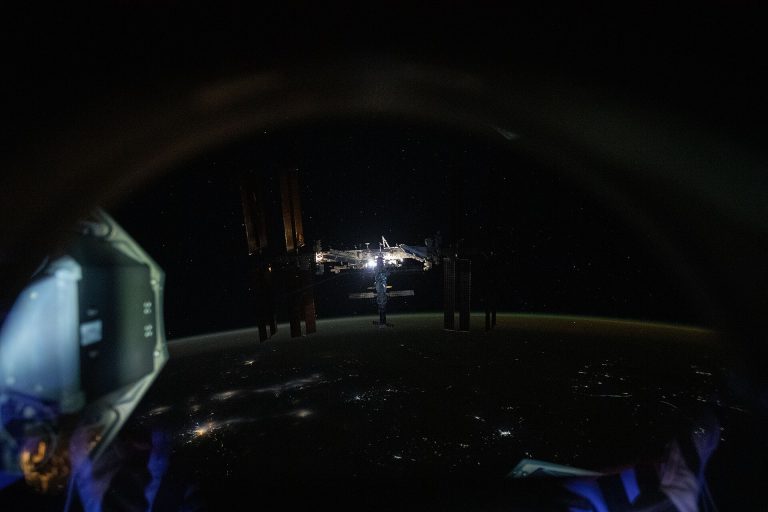
The International Space Station is a research laboratory in low Earth orbit, run by five agencies: NASA, Roscosmos, ESA, JAXA and the Canadian Space Agency. It orbits at about 400 kilometres, circling Earth roughly every 93 minutes, and spans 109 metres with its solar arrays. Zarya, the first module, launched in November 1998. People have lived aboard continuously since 2 November 2000, the longest unbroken human presence in space. Crews rotate on Soyuz and Crew Dragon flights, and cargo ships keep it supplied. The station is expected to be retired around 2030. The only other operating station is China’s Tiangong.
Events
-
1 video
- NASASpaceflight
-
13 October 2026
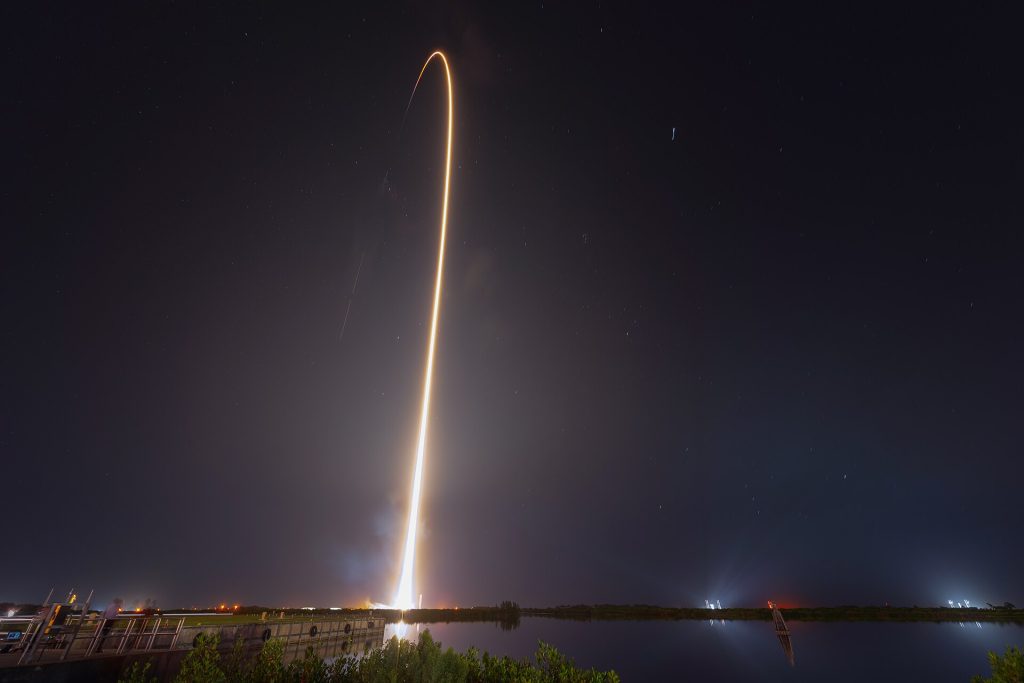
SpaceX CRS-35
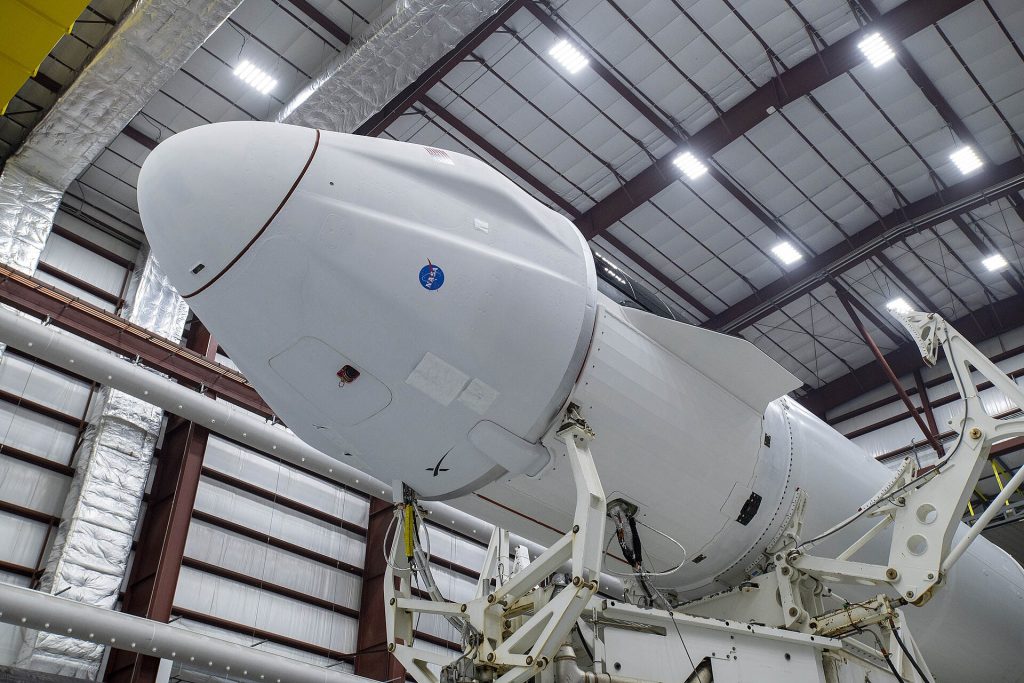
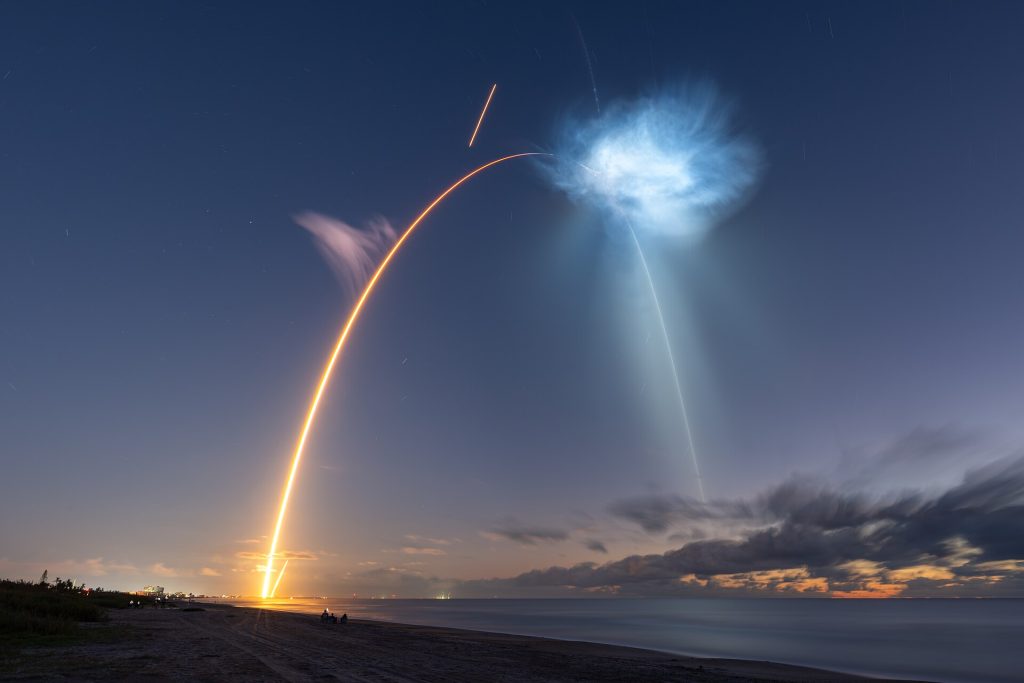
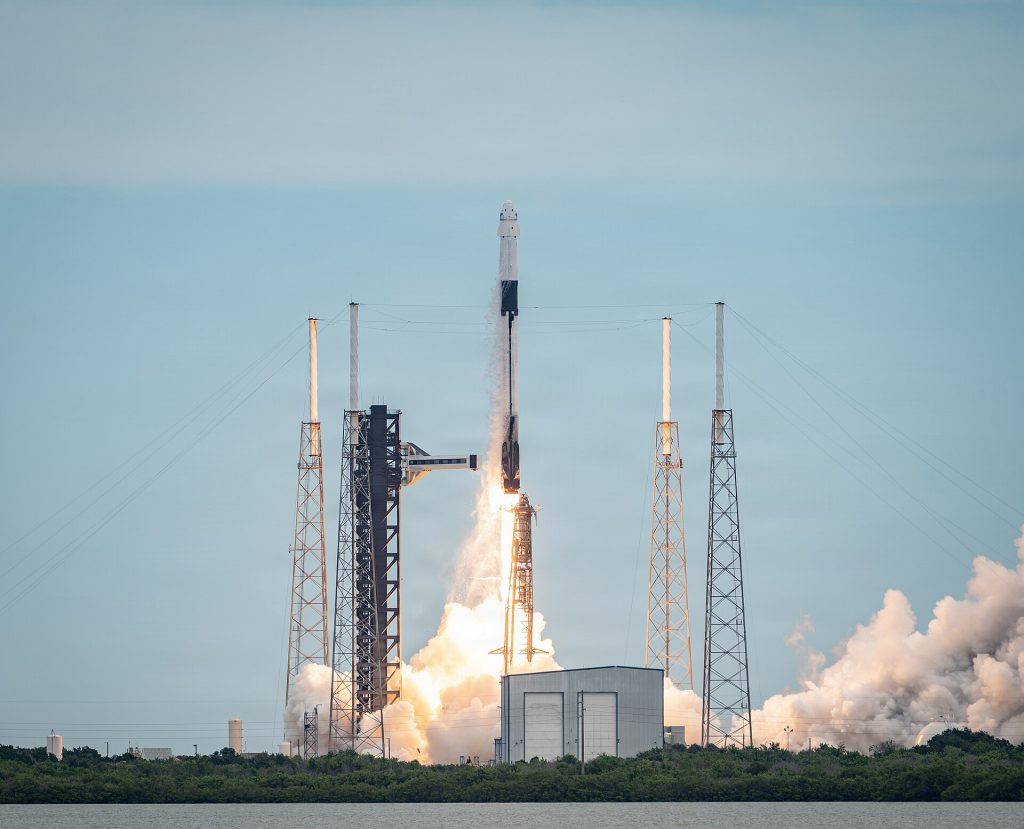
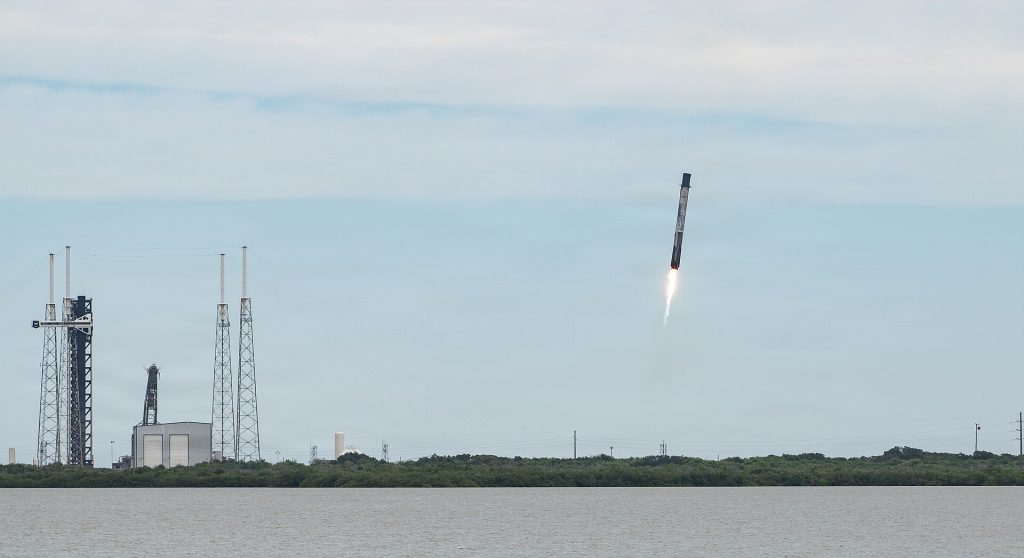
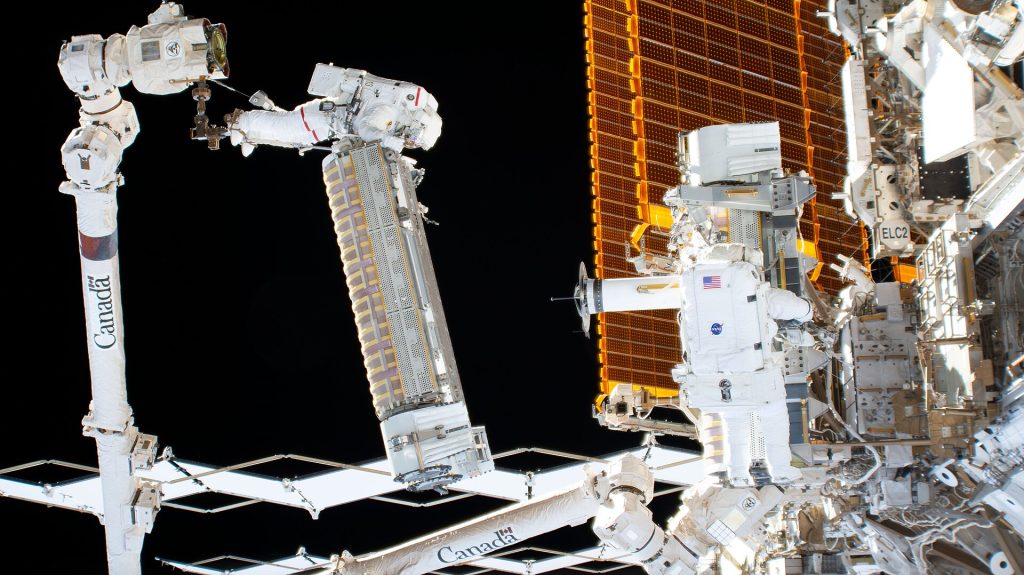
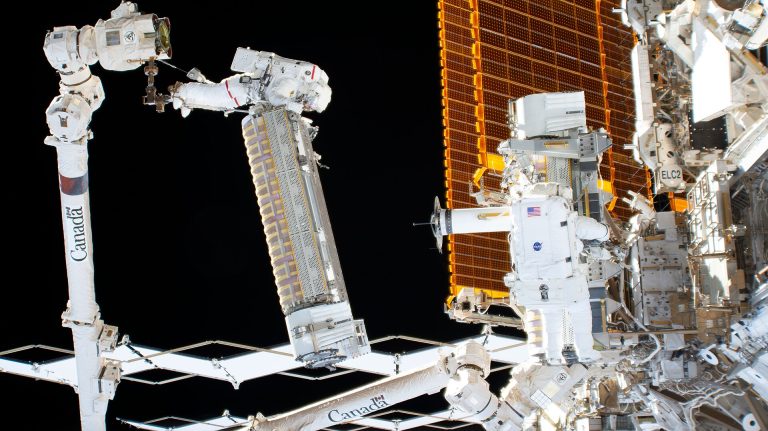
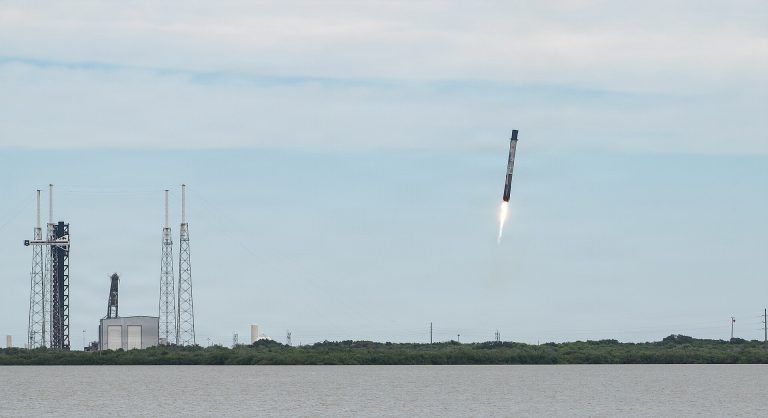
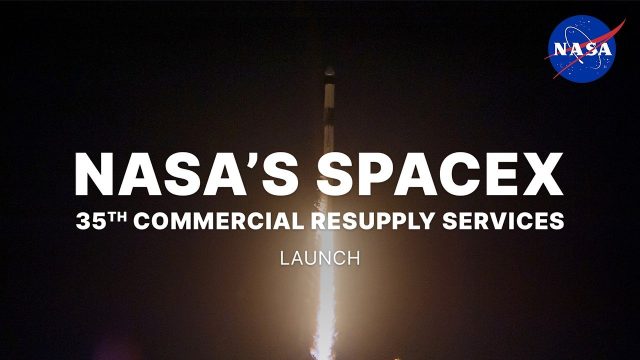
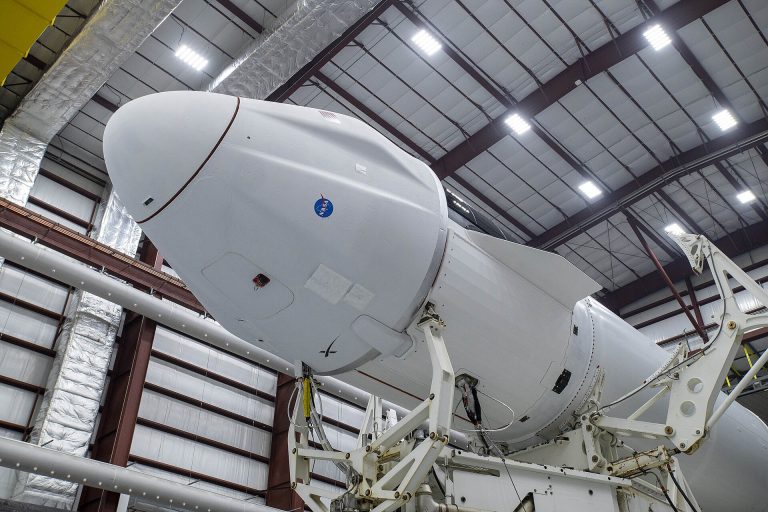
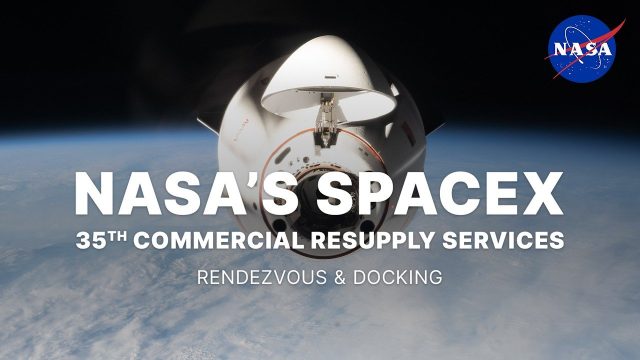
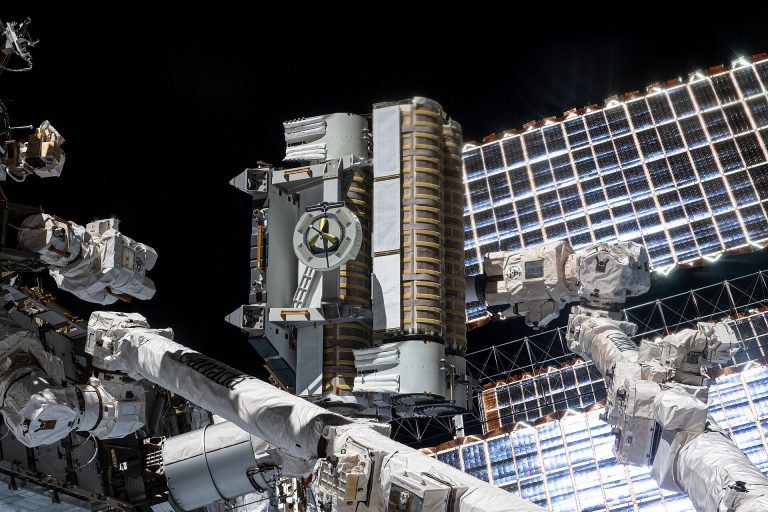
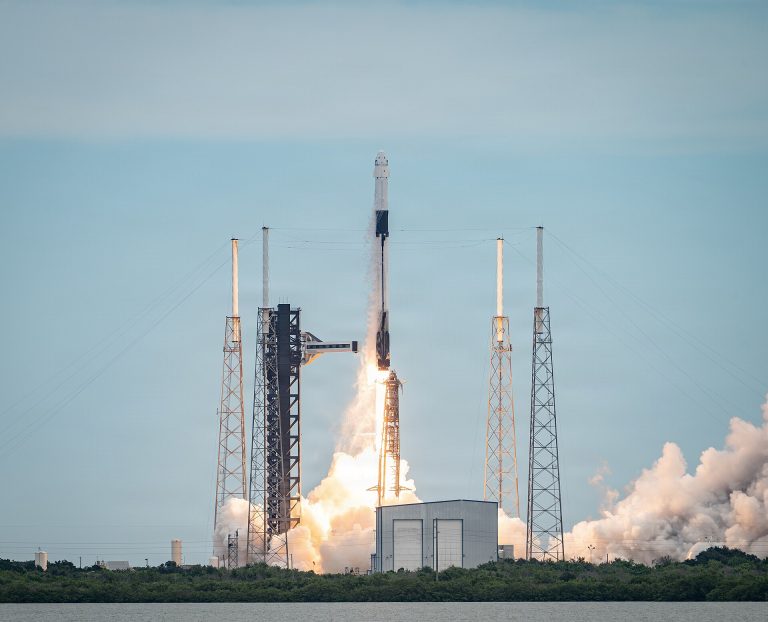
CRS-35 was a routine run with one notable load. Dragon carried the last pair of ISS Roll Out Solar Arrays, the panels that have been added to the station's power system one pair at a time, and the Falcon 9 booster came back to land at Landing Zone 40.
2 videos- NASA
-
1 October 2026
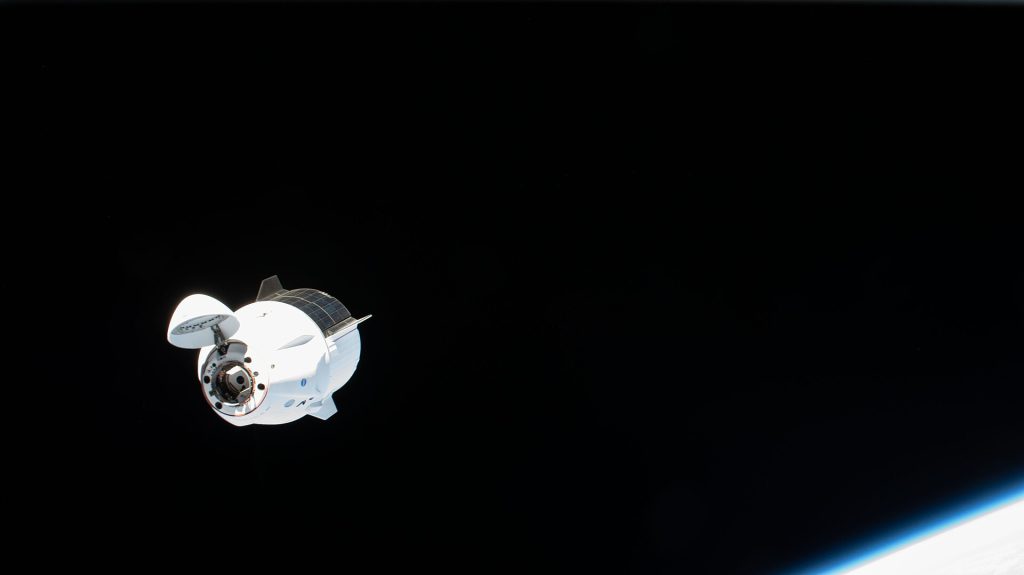
Crew-13
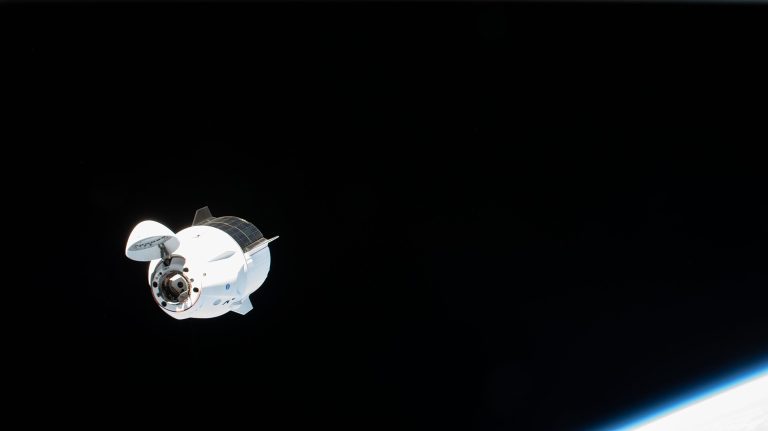
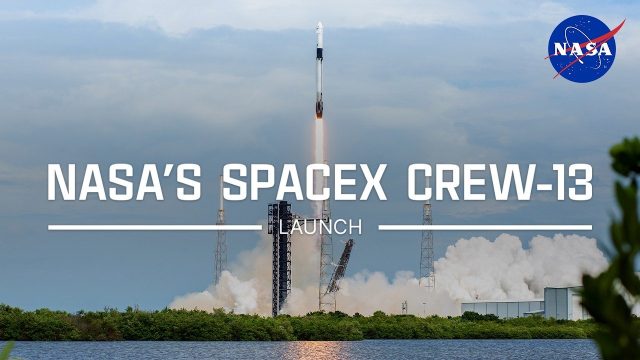
Crew-13 overlapped with Crew-12 for a short handover. Joshua Kutryk of the Canadian Space Agency flew as the first commercial crew astronaut from his agency, as CSA described it at the news conference, and it was Jessica Watkins' second Dragon flight.
3 videos- NASA
-
1 October 2026
SpaceX Crew-13
1 video- NASA
-
16 September 2026
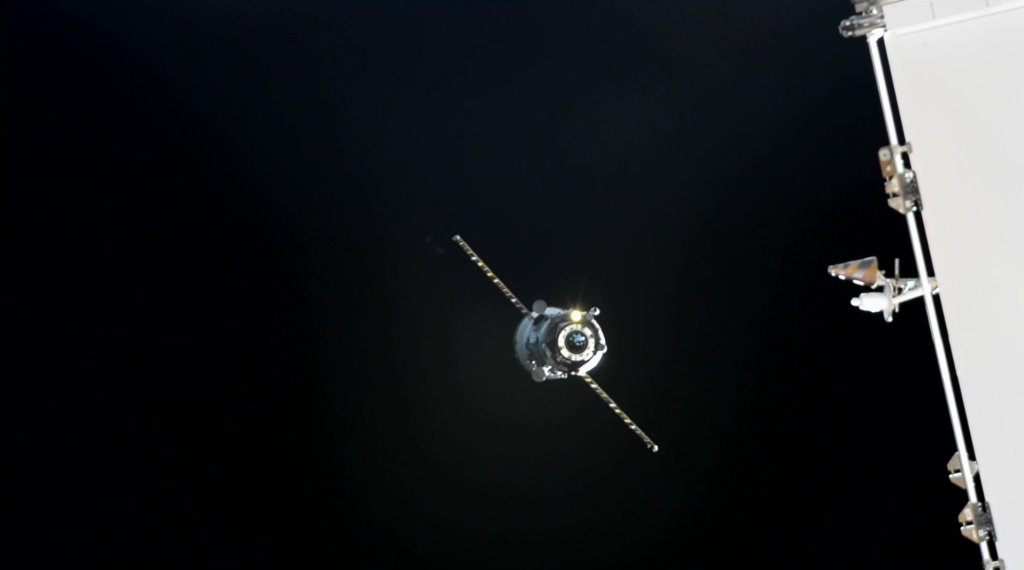
Progress 96
Progress usually reaches the station in two days. This one took three, because of the orbital mechanics for that launch date, which NASA's commentators called uncommon but not unprecedented.
2 videos- NASA
-
1 video
- NASA
-
26 August 2023
Crew-7
Four seats, four agencies. The webcast said Crew-7 was the first Dragon flight in which every seat was filled by an astronaut from a different partner agency: NASA, ESA, JAXA and Roscosmos.
2 videos- SpaceX
-
23 April 2021
Crew-2
1 video- Free Documentary – Space
-
20 November 1998
International Space Station
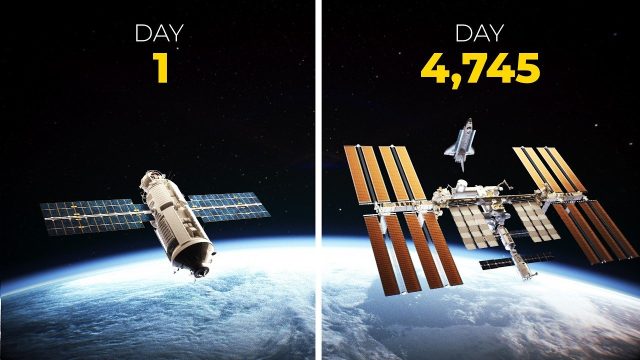
The station is still in operation. Modules were built in Russia, the US and Europe, and the project grew out of a post-Cold War partnership. It is now due to be deorbited, with SpaceX named as the vehicle operator around 2030 in one video.
2 videos- DW Documentary
- Curious Droid
-
1 video
- NASA
-
1 video
- NASA
-
1 video
- NASA
Videos on this topic
The videos, in date order
Drag, zoom or press play to watch them on this page.
March 2022 – October 2026
-
André Kuipers’ Extended ISS Stay and Alexander Gerst’s Training
Spark -
Crew-7 Dragon Endurance Rendezvous and Docking with the ISS
SpaceX -
How Shuttle Missions Built the ISS: Unity, Destiny and Canadarm2
Jared Owen -
How the ISS Works: Air, Cooling, Power and Debris Defence
National Geographic -
ISS Story: From Zarya’s 1998 Launch to Planned De-Orbit
DW Documentary -
Why the ISS Will Be Deorbited at Point Nemo and What Comes Next
Curious Droid -
Inside the ISS: How the Station Is Built, Powered and Lived In
SLICE Science -
How the ISS Will Be Destroyed at Point Nemo in 2030
The B1M -
ISS History: Assembly, Crises and the Plan to Deorbit by 2030
Classic Aerospace History -
Thomas Pesquet’s Mission Alpha: Six Months Aboard the ISS
Free Documentary – Space -
How the ISS Was Assembled: Modules, Gyros, Canadarm2 and Cooling
Real Engineering -
ISS Tour With Nicole Mann and Kjell Lindgren: Modules and Daily Life
NASA Johnson -
ISS Module Tour: Columbus, Kibo, Destiny and Zvezda in POV
NASA -
Inside the ISS: Building, Training and Science in Orbit
Free Documentary – Space -
Menon and Adenot Swap a Failed ISS Space-to-Ground Antenna
NASA -
Spacewalk 98: Menon and Adenot Swap a Failed ISS Antenna
NASA -
Spacewalk 99: Adenot and Meir Replace Harmony Retroreflector
NASA -
Crew-12 Pre-Departure Briefing: Spacewalks, Science and Going Home
NASA -
Progress 96 Launch: Soyuz 2.1b Sends 2.8 Tons to the ISS
NASA -
Progress 96 Docks to Poisk After a 3-Day, 49-Orbit Chase
NASA -
Crew-13 Prelaunch Briefing: Dragon Valve Repair and a Fast ISS Trip
NASA -
Crew-13 Postlaunch Briefing: Record Dragon Docking Pace to ISS
NASA -
Crew-13 Launch Countdown: Dragon Grace Readies for the ISS
NASA -
NASA’s SpaceX Crew-13 Arrival & Welcome Remarks
NASA -
Crew-12 Farewell: Jessica Meir Hands ISS Command to Dubrov
NASA -
Crew-12 Leaves the ISS: Hatch Closure Aboard Dragon Freedom
NASA -
Crew-12 Hatch Closure: Dragon Freedom Readies to Leave the ISS
European Space Agency, ESA -
Cygnus XL Departs the ISS: Release, Burn and Re-entry Plan
NASA -
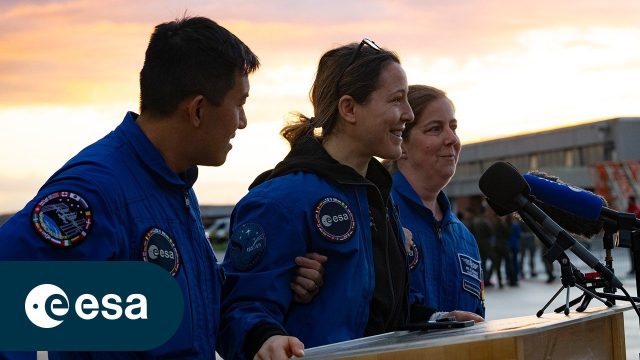
Sophie Adenot Back in Europe After 237 Days on the ISS
European Space Agency, ESA -
CRS-35: Falcon 9 Launches Dragon With Final Two ISS Solar Arrays
NASA -
CRS-35: Falcon 9 Launches Cargo Dragon With Final IROSA Arrays
NASASpaceflight -
Crew-12 Crew Look Back on 237 Days Aboard the ISS
NASA -
SpaceX CRS-35 Dragon Docks at the ISS Harmony Zenith Port
NASA -
ISS iROSA Spacewalks 100 and 101: Final Solar Array Installs
NASA -
US Spacewalk 100: Installing the Seventh ISS Roll-Out Solar Array
NASA

Drag to explore dates · Select a video to preview.
Dates are when each video was first published on YouTube.
All the videos
Why the ISS Will Be Deorbited at Point Nemo and What Comes Next
Mission: International Space Station (1998)
CRS-35: Falcon 9 Launches Cargo Dragon With Final IROSA Arrays
Mission: CRS-35 (2026)
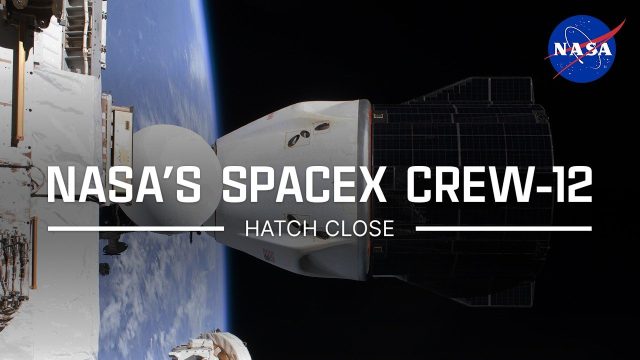
Crew-12 Hatch Closure: Dragon Freedom Readies to Leave the ISS
Mission: Crew-12
Progress 96 Launch: Soyuz 2.1b Sends 2.8 Tons to the ISS
Mission: Progress 96 (2026)
Progress 96 Docks to Poisk After a 3-Day, 49-Orbit Chase
Mission: Progress 96 (2026)
Spacewalk 99: Adenot and Meir Replace Harmony Retroreflector
Mission: Expedition 75
Crew-13 Prelaunch Briefing: Dragon Valve Repair and a Fast ISS Trip
Mission: Crew-13 (2026)
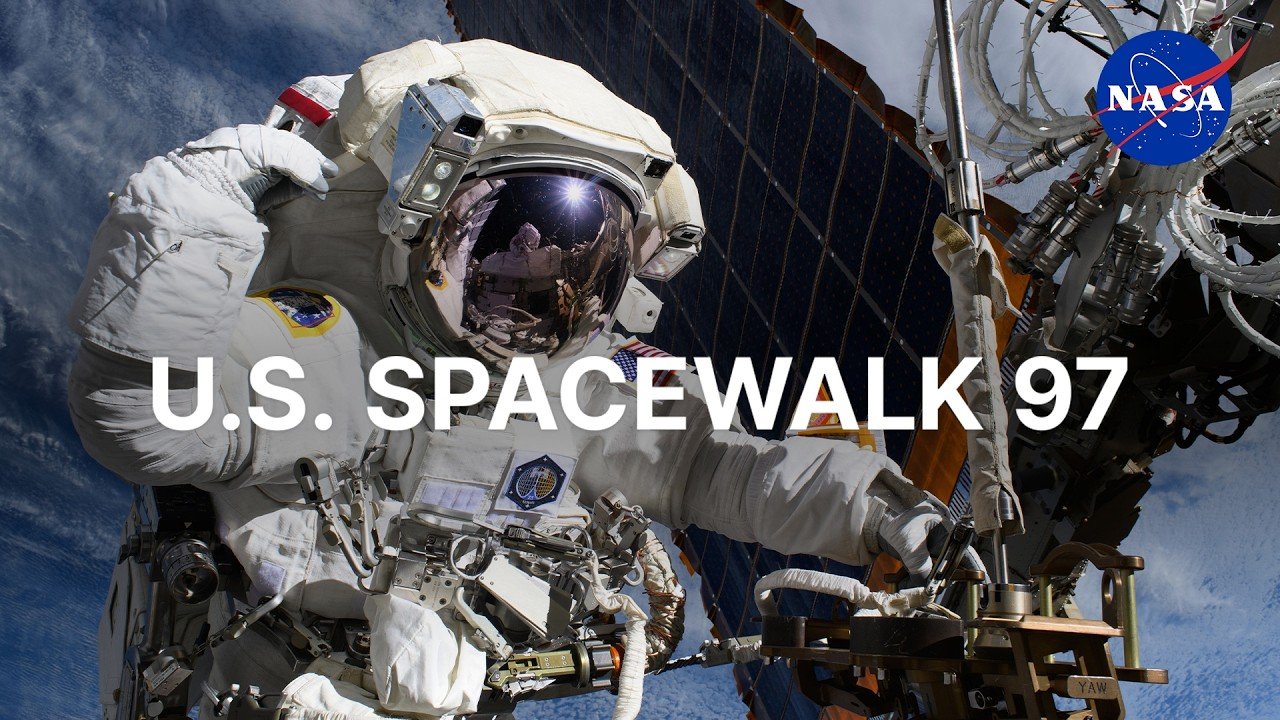
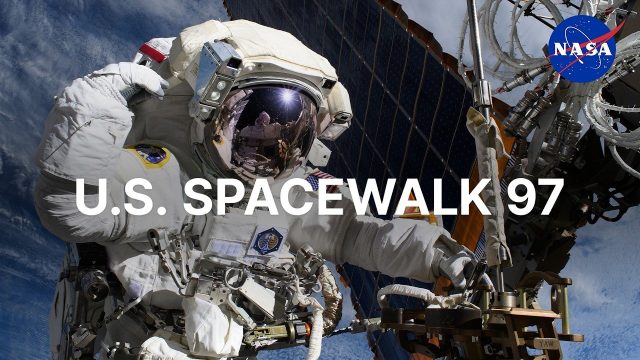
Menon and Adenot Swap a Failed ISS Space-to-Ground Antenna
Mission: U.S. Spacewalk 97
Spacewalk 98: Menon and Adenot Swap a Failed ISS Antenna
Mission: US Spacewalk 98
Crew-7 Dragon Endurance Rendezvous and Docking with the ISS
Mission: Crew-7 (2023)
ISS Story: From Zarya’s 1998 Launch to Planned De-Orbit
Mission: International Space Station (1998)
How the ISS Will Be Destroyed at Point Nemo in 2030
Mission: International Space Station deorbit
Thomas Pesquet’s Mission Alpha: Six Months Aboard the ISS
Mission: Crew-2 (2021)
NASA’s SpaceX Crew-13 Arrival & Welcome Remarks
Mission: SpaceX Crew-13 (2026)
ISS iROSA Spacewalks 100 and 101: Final Solar Array Installs
Mission: ISS iROSA Spacewalks 100 and 101
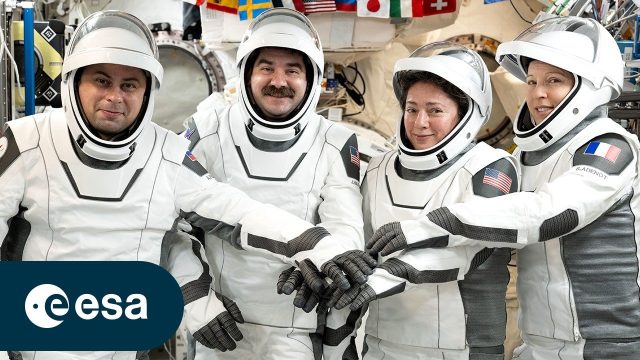
Crew-12 Crew Look Back on 237 Days Aboard the ISS
Mission: Crew-12
Related topics
Follow a program, a vehicle, a destination, an agency or a kind of mission.