Crew-13 Postlaunch Briefing: Record Dragon Docking Pace to ISS
The short version
After Crew-13 lifted off on a Falcon 9 on Oct. 1, NASA, CSA and SpaceX leaders held a postlaunch news conference. They said Dragon was healthy and on course to dock in under 8 hours, and described the science, the short handover with Crew 12 and upcoming station missions.
Full written account
NASA astronauts Jessica Watkins and Luke Delaney, Canadian Space Agency astronaut Joshua Kutryk and Roscosmos cosmonaut Sergey Teteryatnikov lifted off at 11:10 a.m. Eastern time on Oct. 1, 2026, aboard a SpaceX Dragon on a Falcon 9 from Launch Complex 40 at Cape Canaveral Space Force Station. Docking at the International Space Station was targeted for about 7 p.m. Eastern, which NASA officials described as a record-setting pace for a US spacecraft, with launch to docking in under 8 hours.
The launch
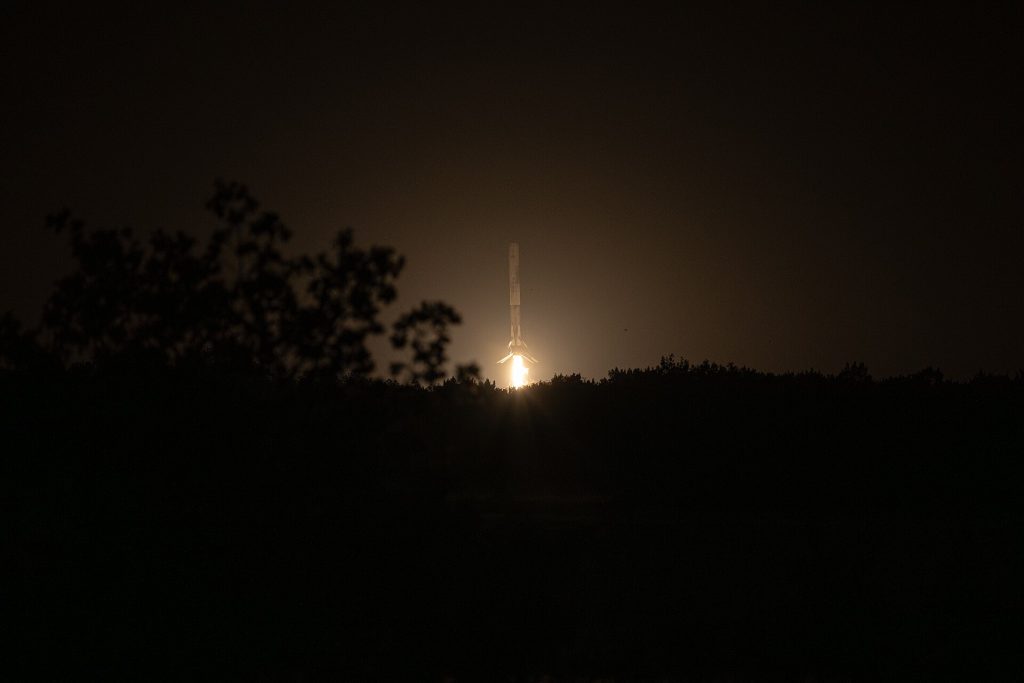
NASA Administrator Jared Isaacman said the crew were safely in orbit and out of their suits, and that on-orbit checkouts were complete and Dragon was healthy. Because of the short phasing period, the crew would rest before rendezvous. Dana Weigel, manager of NASA's Low Earth Orbit Program, said weather was close: an anvil cloud hung over the pad and cleared near the end of the count. She described the count as clean on both the rocket and Dragon sides, "quieter than I've ever heard before." Separation and orbital insertion were nominal, two burns were completed, the nose cone opened, and the Falcon 9 first stage made a landing.
The flight was Dragon's 53rd to the station and SpaceX's 21st human spaceflight mission, according to Julianna Scheiman of SpaceX. It was one of three SpaceX launches that day: Transporter-18 from Vandenberg with 103 rideshare payloads, and a Falcon Heavy carrying NROL-97 from Launch Complex 39A.
Firsts
Luke Delaney, Joshua Kutryk and Sergey Teteryatnikov were first-time flyers. Jessica Watkins, who also flew on Crew-4, became the first NASA astronaut to fly on a SpaceX Dragon twice. Mathieu Caron of the Canadian Space Agency said Kutryk is the first CSA astronaut to take part in NASA's commercial crew program, and that Canada's studies on the mission will focus on health in space and the effects of microgravity on the human body.
The crew's zero-gravity indicator is a crocheted golden dragon named Lucky, with a four-leaf clover around its neck. The crew patch honors the legacy of Apollo 13, and the capsule is number 213.
Why the docking was so quick
Scheiman said the station happened to be in an opportune position, so the orbital mechanics produced the shortest launch-to-docking time to date. She said it could be matched or even shortened if the station were in exactly the right spot, though this was close to the fastest possible. Weigel said the procedures near the station are unchanged; only the initial burns take less time. Asked about the previous record, an official named the next fastest as about 14 hours, and another said the previous fastest for Dragon was 12 hours, on the CRS-31 mission.
Handover and the station schedule
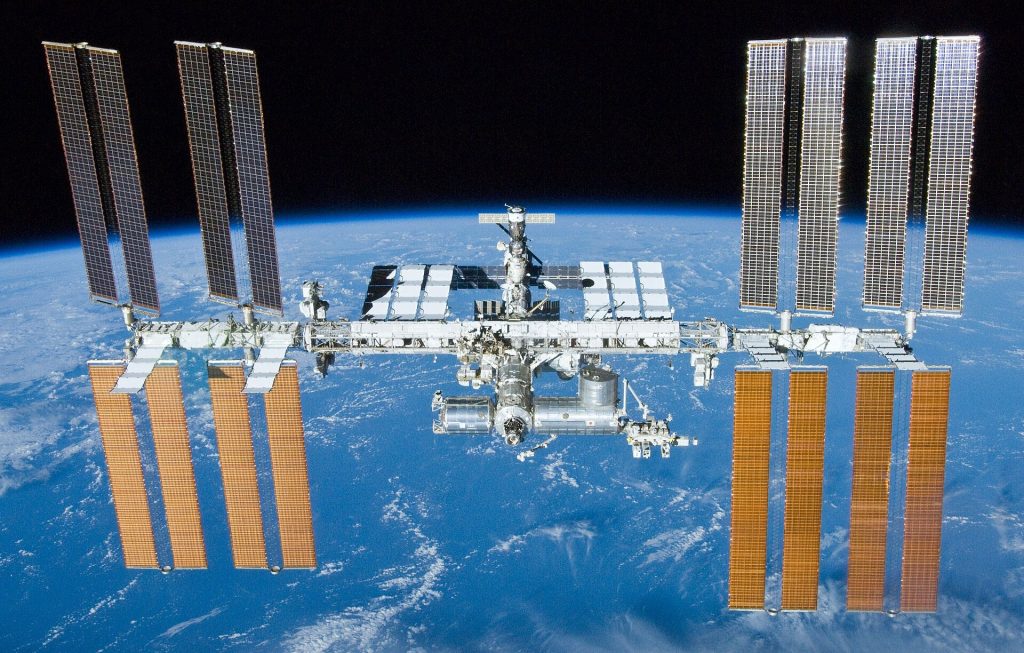
Crew-13 docks to the Node 2 forward port. The handover with Crew-12 is only a few days; Crew-12's earliest planned undock is Oct. 5, with weather to be assessed from Saturday. Weigel explained that with only two docking ports, a port must be freed for SpaceX-35, planned for Oct. 13, which carries the last set of upgraded iROSA solar arrays. Installing them requires spacewalks and has thermal constraints, described as beta constraints and big cutouts, which leave a narrow window. That is why the handover was shortened. A Roscosmos Progress mission is planned for November and a Northrop Grumman Cygnus near year end.
Research
Planned work includes studies of human stem cell-derived tissues for disease modeling, aimed at conditions such as heart disease, ALS and Parkinson's. Another focus is blood flow in microgravity and monitoring crew for signs of blood clots. A new plant growth experiment is meant to allow growing, harvesting and regrowing, rather than one-time grow-out pads. Weigel said results from station can return quickly, but treatments still go through FDA trials.
Questions from the media
- Escape slide: Asked about the emergency crew egress system, an official said the slides could deploy inadvertently after liftoff; it happened here, with "no harm, no foul," and improvements are planned.
- Dragon reuse: SpaceX has demonstrated 15-flight certification internally and is partway through NASA's approval.
- Cargo: Weigel has Dragon cargo flights contracted to the end of 2028 and a Cygnus to about 2029, at two to two and a half cargo Dragons per year, with Cygnus about every nine months.
- ISS future: Weigel said plans are in place to deorbit the station, but no agency has done anything that precludes an extension if all governments chose one.
- Starship: Scheiman said SpaceX intends at least one more Starbase launch before the first from the Cape. Starship towers at 39A are nearly complete and one is beginning at Launch Complex 37. An official said the primary Artemis 3 mission is planned from 39A, with propellant refilling flights from both sites.
- Mars and fission: Isaacman said human survival in orbit for periods exceeding a Mars transit is already mastered, and pointed to propellant transfer, on-orbit assembly and fission-powered spacecraft as steps ahead.
Isaacman also said that over the next three years, priority should go to science with high commercial potential to help develop an orbital economy.
Prelaunch
The crew suited up in the room used by NASA astronauts since Apollo 7 in 1968. In a prelaunch card-game tradition, Commander Jessica Watkins had to lose before they left for the pad. The side hatch closed with a delayed start but still had 50 minutes of margin.
Questions this video answers
When and where did Crew-13 launch?
At 11:10 a.m. EDT (1510 UTC) on Oct. 1, 2026, on a Falcon 9 from launch complex 40 at Cape Canaveral Space Force Station.
Who is on Crew-13?
NASA astronauts Jessica Watkins and Luke Delaney, CSA astronaut Joshua Kutryk and Roscosmos cosmonaut Sergey Teteryatnikov.
When was Crew-13 due to dock?
Docking to the node 2 forward port was expected around 7 p.m. EDT, under 8 hours after launch, the shortest launch-to-docking time for Dragon to date.
What is notable for Canada?
It is the first time a Canadian Space Agency astronaut takes part in NASA's commercial crew program.
When will Crew 12 leave the station?
The earliest planned undock for Crew 12 is October 5, pending weather and a Dragon mission management team review.
Explore related missions
Connected by the topic: International Space Station