Apollo 13
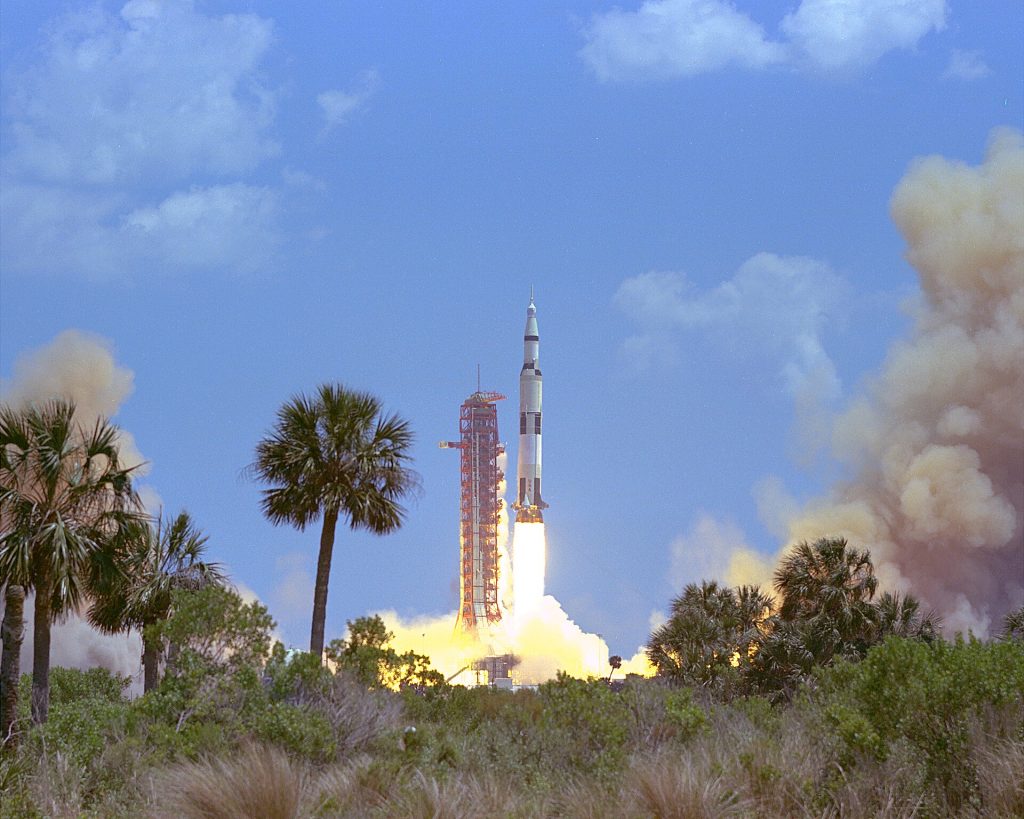
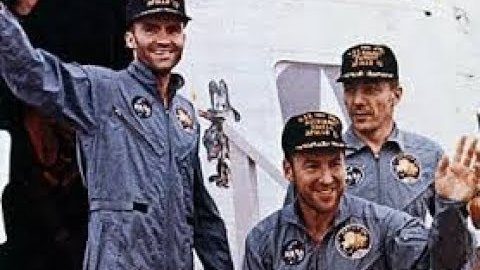
Apollo 13 lifted off for the Moon on 11 April 1970, and about 56 hours into the flight an oxygen tank in the service module ruptured. Jim Lovell, Jack Swigert and Fred Haise used the lunar module Aquarius as a lifeboat, swung around the Moon and splashed down safely in the Pacific on 17 April.
What happened
All times local
-
Watch this moment · 5:53
11 April 1970, 13:13 Houston time
Liftoff
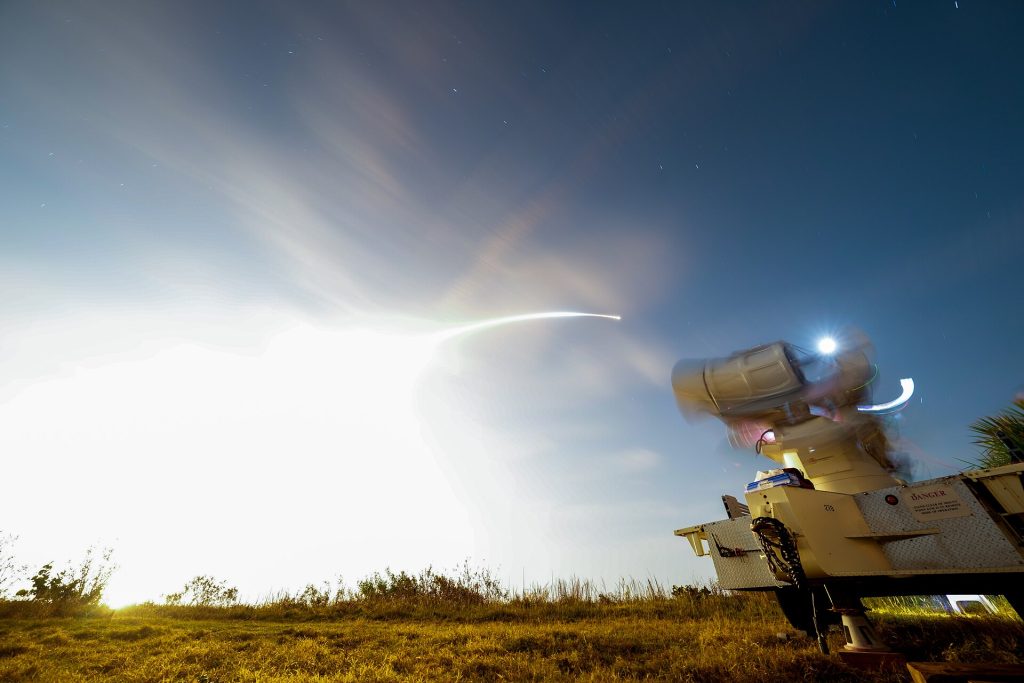
The Saturn V lifted off. The centre engine of the second stage shut down early, and the other engines burned longer to make up for it, as video 195 tells it.
-
Watch this moment · 28:05
About 55 hours 55 minutes in
The oxygen tank ruptures
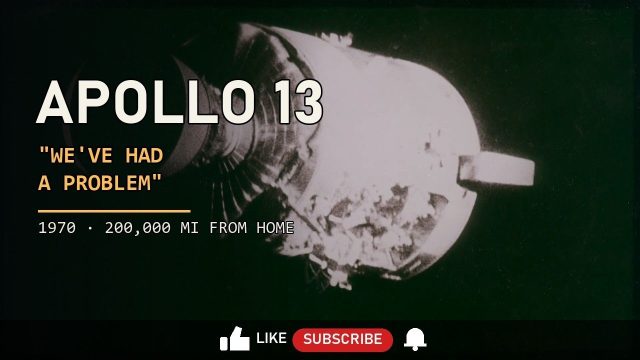
Houston had asked the crew to stir the cryogenic tanks. Moments after the fan was switched on there was a bang, and the main bus voltage dropped. The crew reported, "Houston, we've had a problem."
-
Watch this moment · 5:40
Minutes later
Venting and lost power
Lovell and Haise found two fuel cells lost and oxygen venting from the service module. Lovell saw the venting through his window.
-
Watch this moment · 49:07
Within hours
Aquarius becomes the lifeboat
Guidance was moved to the lunar module. The command module Odyssey was powered down to save its batteries for re-entry.
-
Watch this moment · 41:16
About 61 hoursapproximately
First free-return burn
The crew used the lunar module's descent engine to put the spacecraft back on a path that would loop around the Moon and return to Earth.
-
Watch this moment · 3:04
Behind the Moon
The shortening burn
Mission control chose the shorter burn of four minutes after passing the Moon, to bring the crew home sooner. Video 26 puts the burn complete at 79 hours 32 minutes.
-
Watch this moment · 17:30
In the lunar module
Carbon dioxide
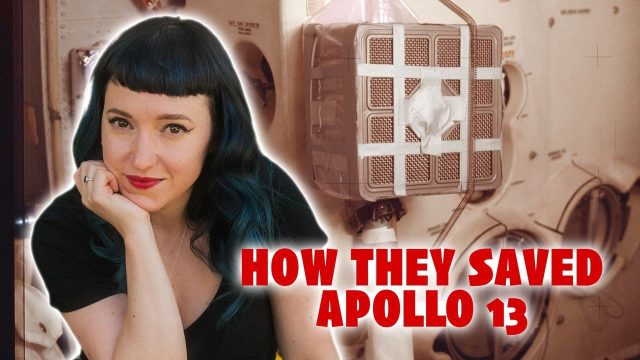
Square command module filters would not fit the lunar module's round connectors. The crew built an adapter from duct tape, plastic bags and cardboard, following instructions read up from Houston.
-
Watch this moment · 17:28
Before re-entry
Manual course correction
With the guidance systems shut down, the crew aligned the spacecraft using the Earth's terminator and made a manual burn.
-
Watch this moment · 24:45
17 April 1970
Re-entry and splashdown
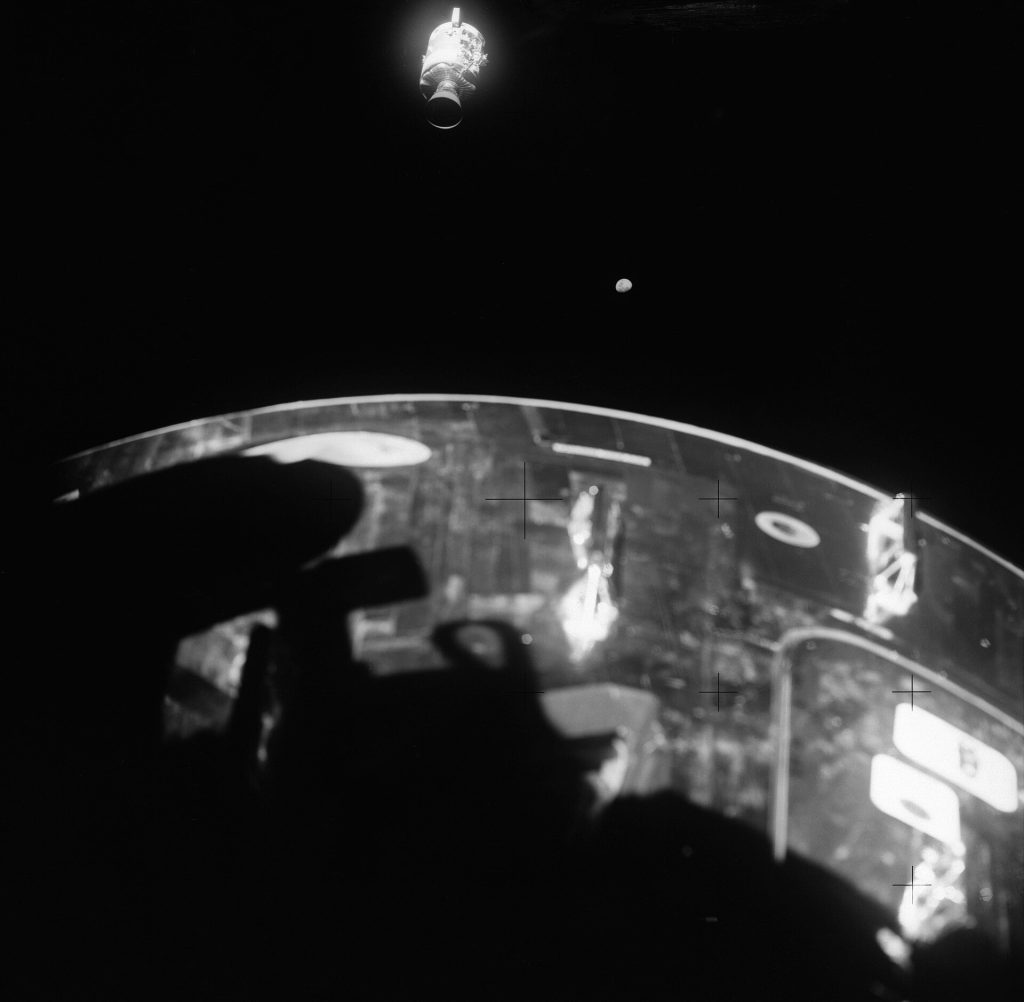
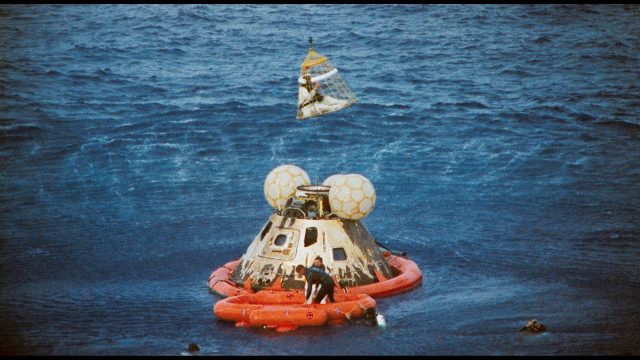
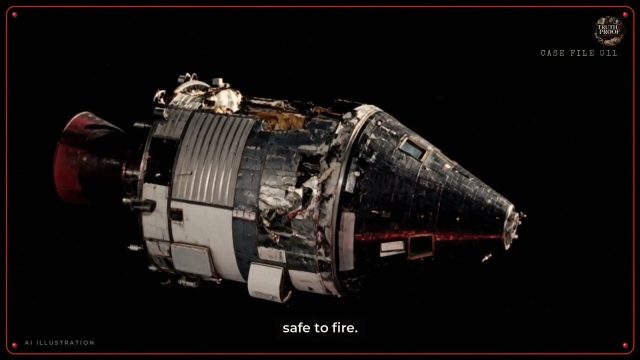
The service module was jettisoned and photographed, showing the damage. After the command module was powered up, the lunar module was released, and Odyssey splashed down in the South Pacific.
Key facts
| Vehicle | Apollo spacecraft, Saturn V |
|---|---|
| Mission name | Apollo 13 |
| Launch site | Kennedy Space Center LC-39A |
| Crew | Jim Lovell, Jack Swigert, Fred Haise |
| Crew size | 3 |
| Duration | Nearly 6 days |
| Outcome | Partial success |
Official finding · Apollo 13 Review Board (NASA), June 1970
Oxygen tank 2 failed after its internal wiring, damaged during ground testing, short-circuited when the fan was switched on in flight and ignited the Teflon insulation. The rupture also damaged the service module.
Videos about this mission
The videos, in date order
Drag, zoom or press play to watch them on this page.
March 2012 – November 2026
-
Apollo 13: How a Wrecked Spacecraft Brought Its Crew Home
Roberto Mastri -
Apollo 13: The Oxygen Tank Explosion and the Crew’s Return
Rearview Mirror Media -
Apollo 13: Oxygen Tank Explosion and the Lunar Module Lifeboat
Homemade Documentaries -
Apollo 13: Home Safe, Survival After the Oxygen Tank Explosion
NASA -
Apollo 13: Oxygen Tank Rupture and the Lunar Module Lifeboat
Free Documentary – History -
Apollo 13 Rescue: How the Lunar Module Lifeboat Got the Crew Home
Free Documentary – History -
Apollo 13 Hour by Hour: Tank Explosion and the Lifeboat Return
The Infographics Show -
Apollo 13: How NASA Used the Lunar Module as a Lifeboat
Spark -
Apollo 13: Oxygen Tank Rupture and the Lunar Module Lifeboat
Free Documentary – Space -
Apollo 13: How the Crew Got Home in a Lunar Module Lifeboat
Naked Science -
Apollo 13: How the Lunar Module Became a Lifeboat After the Blast
The Vintage Space -
Apollo 13: The Oxygen Tank Explosion and the Lifeboat Return
Video and DVD Archives -
Apollo 13: The Oxygen Tank Failure and the Lunar Module Lifeboat
Deep Orbit Stories -
Apollo 13: The Dropped Tank and Switches Behind the Explosion
Truth and Proof -
Apollo 13: How a Thermostat Error Led to the Oxygen Tank Blast
The Last Link -
Apollo 13: How an Oxygen Tank Failure Nearly Stranded Three Men
Gloamhall -
Apollo 13: The Tank Flaw and Crew’s Lifeboat Return
The Third Eye English
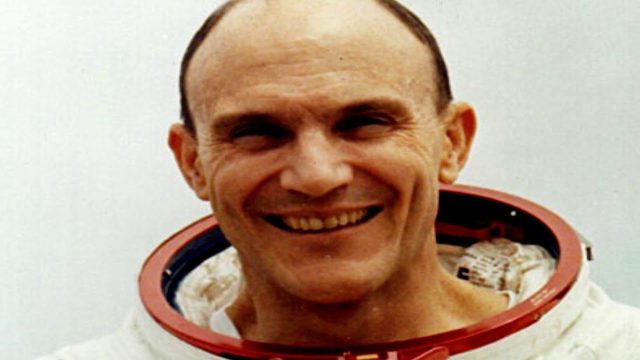
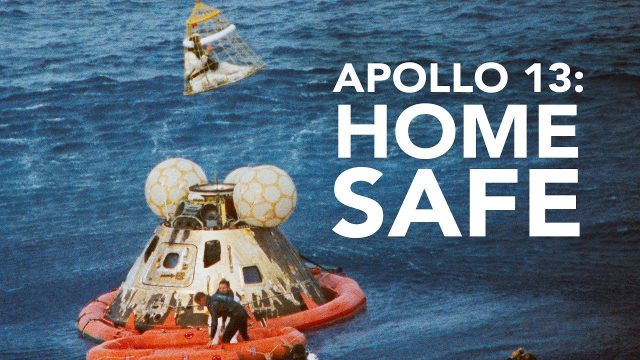



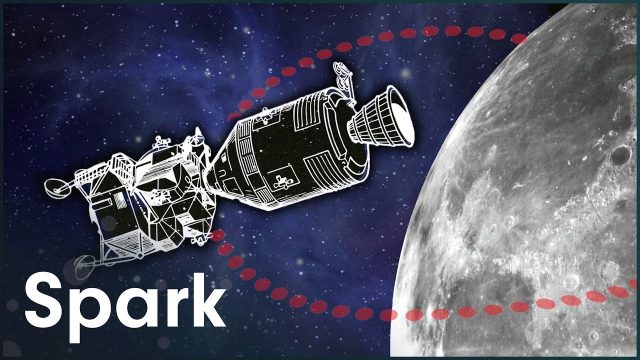

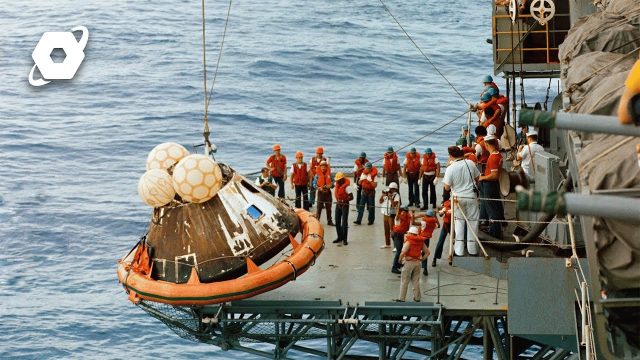



Drag to explore dates · Select a video to preview.

Dates are when each video was first published on YouTube.
A late crew change
Ken Mattingly was grounded days before launch after exposure to German measles, and Jack Swigert took his place as command module pilot. Jim Lovell commanded and Fred Haise flew the lunar module, called Aquarius. The command module was called Odyssey.
Surviving in the lifeboat
The lunar module was built for two men for two days, and it kept three alive for about four. Video 196 explains the problems of water and power: the crew rationed water and shut down nearly everything to save power, and the cabin was cold. Carbon dioxide rose until the adapter was fitted. All of this was solved by the crew and controllers working together, as the NASA documentary in video 25 describes it, with flight directors Gene Kranz and Glynn Lunney.
What the Review Board found
The board found that oxygen tank 2 had been damaged on the ground. During a pre-launch test the tank did not empty normally, and heaters were used to boil off the oxygen. The heaters ran for a long time and damaged the wiring inside, so that a short circuit when the fan switched on ignited the insulation and ruptured the tank. Video 198 summarises the cause as a damaged tank and wiring. The Review Board report (NASA, June 1970) has the full account.
What the next crews carried forward
Questions and answers
What happened on Apollo 13?
An oxygen tank in the service module ruptured about 56 hours into the flight, taking away most of the spacecraft's power and oxygen. The crew used the lunar module as a lifeboat and returned safely.
Who was on Apollo 13?
Jim Lovell, commander; Jack Swigert, command module pilot; Fred Haise, lunar module pilot.
What did "Houston, we've had a problem" mean?
The crew was reporting the bang and the power drop after the oxygen tank fan was switched on. The words are the crew's own call to Mission Control.
How did they fix the carbon dioxide?
They built an adapter from duct tape, plastic bags and cardboard to fit command module filters to the lunar module.
Did Apollo 13 land on the Moon?
No. It flew around the Moon and returned.
Sources: The facts and written text on this page come from the 17 videos on this page, by Roberto Mastri, Rearview Mirror Media, Homemade Documentaries, NASA, Free Documentary – History, The Infographics Show, Spark, Free Documentary – Space, ….