Artemis I
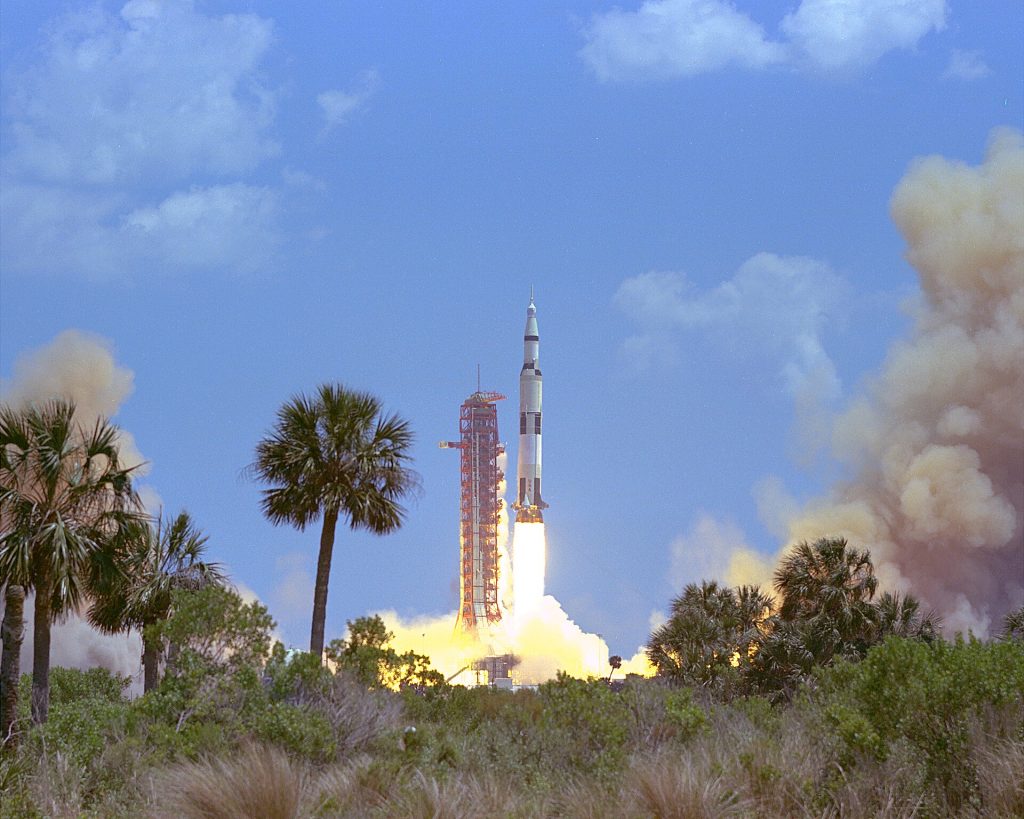
Artemis I launched the Space Launch System and the uncrewed Orion spacecraft on 16 November 2022, the first flight of NASA's Artemis programme. Orion flew around the Moon on a long route and splashed down in the Pacific on 11 December 2022.
What happened
-
16 November 2022
Launch
The Space Launch System, the first launch of the rocket, lifted off from Launch Complex 39B at Kennedy Space Center with Orion on top.
-
Watch this moment · 3:52
About 5 days laterapproximately
Close lunar flyby
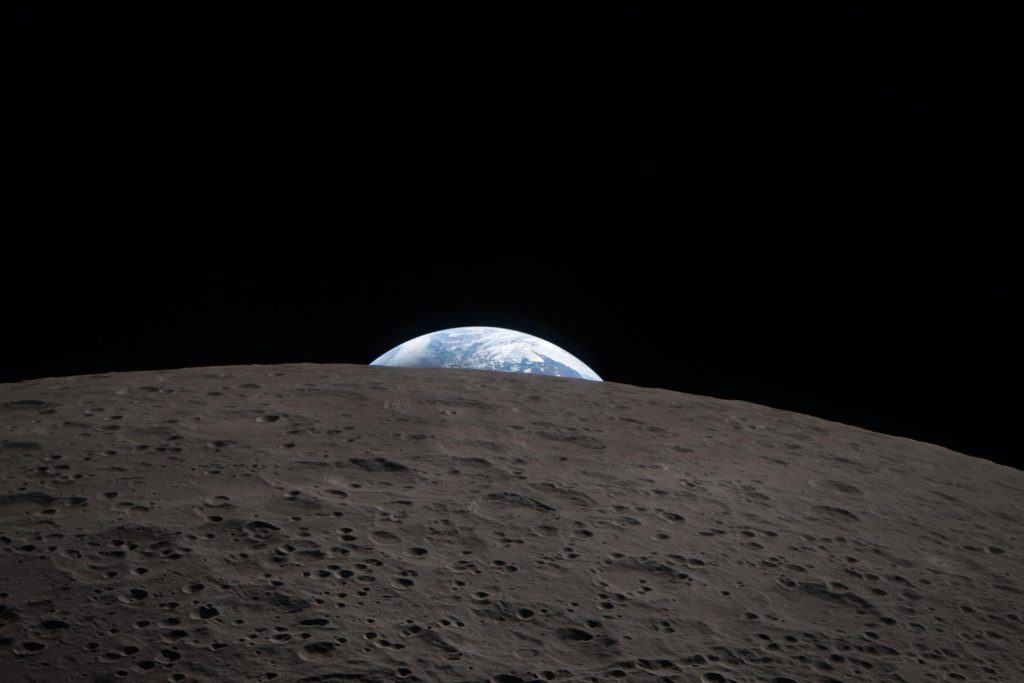
Orion approached the Moon from the side where its gravity pulls against the spacecraft, slowing it, and fired its engine at close approach to slow down further and be captured.
-
Watch this moment · 3:52
Next daysapproximately
Distant retrograde orbit
Orion entered an orbit that goes the opposite way from the Moon's, which had never been used around the Moon. A circuit takes about 12 days, and NASA had the option of a second lap.
-
Watch this moment · 6:41
The returnapproximately
A second lunar flyby
Orion passed close to the Moon once more and fired its engine at closest approach, where the same fuel gives the most speed, and left on a path to Earth.
-
11 December 2022
Re-entry and splashdown
Orion re-entered the atmosphere over the Pacific and splashed down. Video 68 shows the descent in real time from NASA's footage.
Videos about this mission
The videos, in date order
Drag, zoom or press play to watch them on this page.
December 2022
Drag to explore dates · Select a video to preview.
Dates are when each video was first published on YouTube.
Why a 26-day route
Video 280 explains the route in terms of energy. A trajectory needs a change of velocity, called Delta V, and Orion carries less than half of the Delta V of an Apollo spacecraft. Orion's command module is roomier, with a smaller service module, so a direct Apollo-style orbit was too expensive.
The gravity of the Moon did most of the work. Aiming at a point very close to the surface used the Moon to slow and capture the spacecraft, saving a large amount of fuel, and the distant retrograde orbit it ended up in is stable without further burns. The longer stay gave engineers more time to test Orion's systems.
The flight in order
1. SLS launch from Launch Complex 39B. 2. Outbound flyby of the Moon, with a burn to be captured. 3. A burn to enter the distant retrograde orbit, about 70,000 kilometres from the Moon. 4. About 12 days in that orbit. 5. A return flyby and burn, using the Moon's gravity in reverse. 6. Re-entry and splashdown.
The heat shield
NASA found that the Orion heat shield had lost more material than predicted during re-entry. NASA's coverage of the Artemis II re-entry explains that the Artemis I capsule used a skip entry, and that Artemis II flew a steeper profile instead. The Artemis I flight had no crew, so the damage was found with nobody on board.
Questions and answers
When was Artemis I?
It launched on 16 November 2022 and splashed down on 11 December 2022.
Was anyone on board?
No. The mission was uncrewed.
Why did it take 26 days?
The route used a distant retrograde orbit, which is stable and gave time to test Orion, and Orion carries less fuel than an Apollo spacecraft.
What came next?
Artemis II, the first flight with a crew.
Which rocket launched it?
The Space Launch System, on its first flight.
Sources: The facts and written text on this page come from the 1 video on this page, by Primal Space.