Skylab
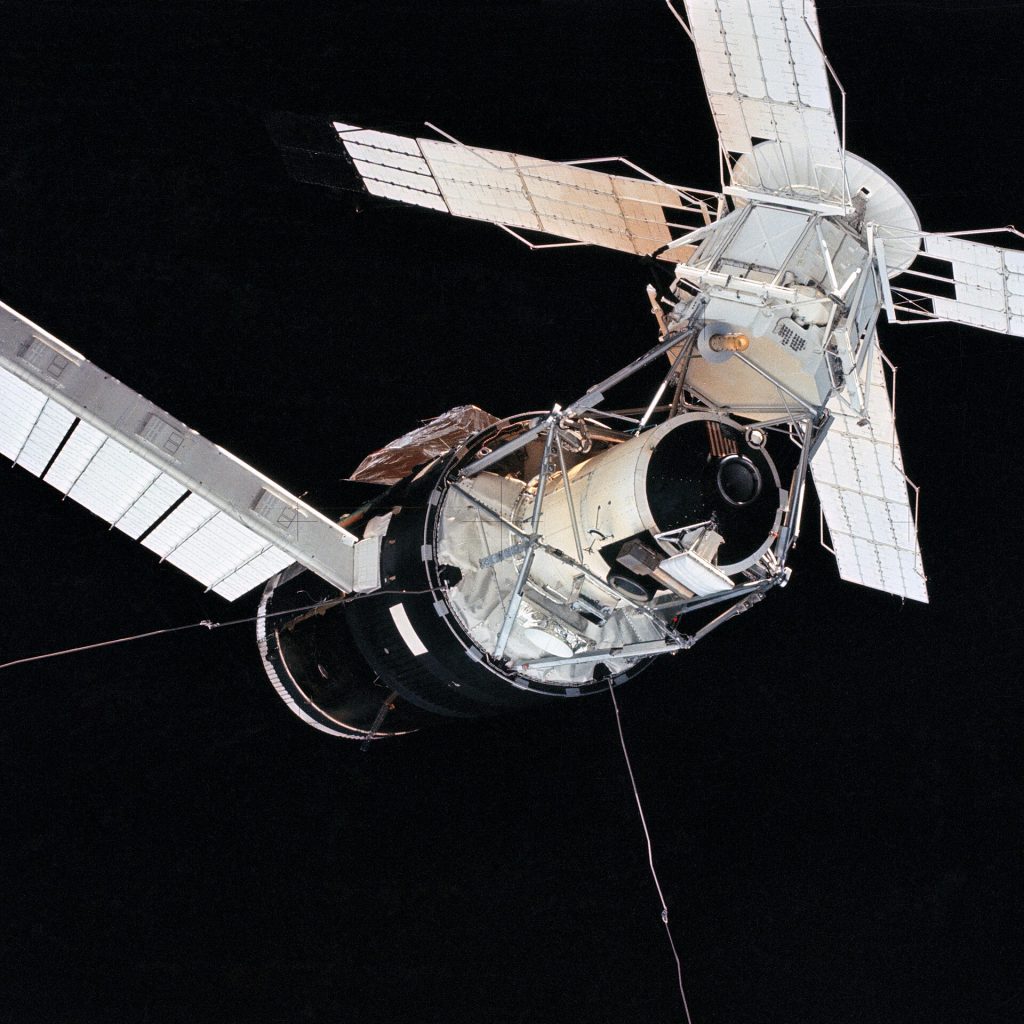
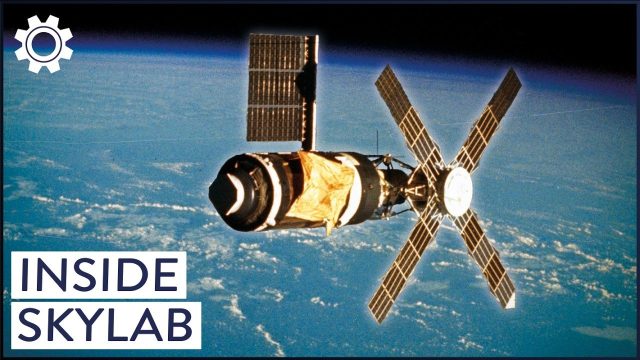
Skylab was NASA's first space station, built from Apollo hardware and launched on the last Saturn V on 14 May 1973. It lost its meteoroid shield and a solar array during the climb, was repaired in orbit by its first crew, hosted three crews for 171 days in all, and fell to Earth over Western Australia on 11 July 1979.
What happened
-
Watch this moment · 14:50
The shield tears away
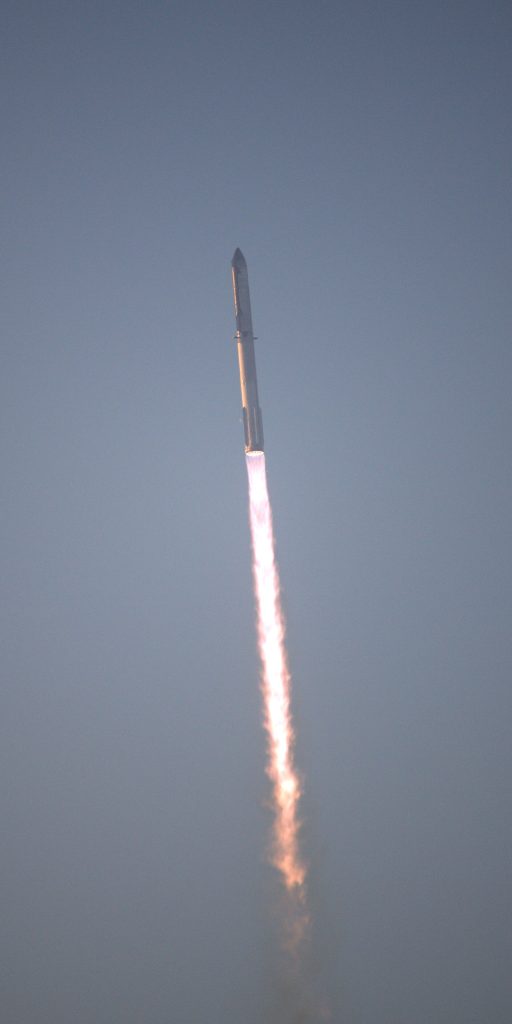
Skylab lifted off on the final Saturn V. About a minute in, telemetry showed trouble. According to the video, the meteoroid shield was ripped off at maximum dynamic pressure, one solar wing deployed early and was torn off, and a small strap from the shield pinned the other wing shut. Temperatures inside climbed to between 170 and 190 degrees Fahrenheit.
-
Watch this moment · 18:34
Ten days to design a fix
The first crew's launch, planned for the next day, was delayed ten days. Engineers across NASA and its contractors designed a sunshade, the parasol, to push through a small science airlock, plus long-handled cutters for the jammed wing. Crews rehearsed the work in the neutral buoyancy tank at Marshall.
-
Watch this moment · 21:11
The first crew reaches a wounded station
Pete Conrad, Joseph Kerwin and Paul Weitz launched and found Skylab with its shield area bare and one wing gone, the other partly deployed. They docked, found the air breathable but the interior dark and hot, and deployed the parasol through the airlock. Temperatures began to fall after about two revolutions.
-
Watch this moment · 18:12
Cutting the strap
Conrad and Kerwin went out on a spacewalk with a 25-foot pole and cutters to free the jammed solar wing. There were no handrails or foot restraints where they worked. Conrad reported the strap cut, the wing opened and mission control saw current from the array. Video 297 counts two unplanned spacewalks on this crew's repairs.
-
Watch this moment · 29:04
Skylab 3, the "Super Crew"
The second crew arrived at a working station and stayed 59 days, doubling the record. NASA's page puts the flight at 59.5 days and 858 orbits. The video reports they completed about 150 per cent of their objectives, including pioneering medical work and photographs of solar flares.
-
Watch this moment · 32:12
Skylab 4 falls behind
Gerald Carr, Edward Gibson and William Pogue, all first-time flyers, began a mission that ran to 8 February 1974. The video reports that Pogue was ill early on, that the crew chose not to tell the ground, and that the recording was downloaded and heard anyway. A heavy workload followed.
-
Watch this moment · 35:54
Missed radio check, open talks
On one day all three crew thought another was on the radio and no one answered the ground's call. Mission control and crew then held an open conversation about the pace of work, and the workload was eased. The crew went on to the 84-day record. Video 296 covers the episode under the label of an alleged mutiny.
-
Watch this moment · 11:39
The orbit decays
After the last crew left in February 1974, Skylab was left dormant. Video 303 says a period of intense solar activity warmed and expanded the upper atmosphere, increasing drag, and that the Space Shuttle was not ready to boost it higher.
-
Watch this moment · 7:20
The last command and the fall
Ground control sent a last command to tumble the station, trying to bring it down in the ocean. Washington confirmed it had fallen into the Indian Ocean off the southwest of Australia, but debris came down over Western Australia, with no injuries reported.
-
Watch this moment · 26:06
Pieces found near Esperance
Three men found a large piece of wreckage near Esperance, which the video reports was thought to be a pressurised sphere. Locals gathered debris; a San Francisco newspaper offered a 10,000 dollar prize for the first piece delivered, and the Shire of Esperance issued NASA a symbolic littering fine.
Key facts
| Vehicle | Apollo spacecraft, Saturn V |
|---|---|
| Mission name | Skylab |
| Launch site | Kennedy Space Center |
| Crew size | 0 |
| Duration | 171 days occupied by three crews |
| Outcome | Success |
Videos about this mission
The videos, in date order
Drag, zoom or press play to watch them on this page.
July 2017 – February 2026
-
Skylab: Repairing America’s First Space Station and Its 1979 Fall
The History Guy: History Deserves to Be Remembered -
Skylab 1973: Repairing the Workshop and Living in Weightlessness
Retro Space HD -
How Skylab Was Saved: The Stuck Solar Array and Chance Tools
Hubbell Power Systems -
Skylab’s 1979 Reentry: How Debris Ended Up Across Western Australia
ABC News In-depth -
Skylab: From Von Braun’s Station Plans to Its 1979 Re-entry
Megaprojects -
Skylab: Damaged at Launch, Repaired in Orbit, Lost in 1979
Classic Aerospace History -
Skylab: Rescue, Record Crews and Re-entry of NASA’s First Station
Progress – Science Documentaries -
Skylab: The Launch Damage, Rescue and Three Crews’ Record Stays
Absolute Documentaries

Drag to explore dates · Select a video to preview.
Dates are when each video was first published on YouTube.
A house made from a rocket stage
Werner von Braun had published station designs in the early 1950s. Skylab grew out of NASA's Apollo Applications Program, where leftover Apollo hardware was to be put to new use. The Apollo command and service module became the taxi. A Saturn V third stage became the workshop, first as a "wet workshop" fitted out in orbit and then as a "dry workshop" fitted out on the ground. Videos 293 and 301 also place Skylab against the Soviet Salyut station that flew first in 1971, whose crew died on the return to Earth.
Three crews, 171 days
The shield was a thin skin that was to protect the workshop from meteoroids and sunlight. Without it, the interior baked. The first crew's repairs allowed the 28-day Skylab 2 mission and set the pattern for later spacewalk repairs. Skylab 3 lasted 59 days and Skylab 4 lasted 84. The three missions added up to 171 days, according to video 297, with ten spacewalks and about 2,000 hours of experiments.
Video 299 describes the science: medical work on long weightlessness, solar observation, the comet Kohoutek and the Earth Resources Experiments Package. Video 302 adds a detail about the rescue. Engineers found tools through a Missouri maker, A. B. Chance, and flew them to Huntsville.
What the next flight changed
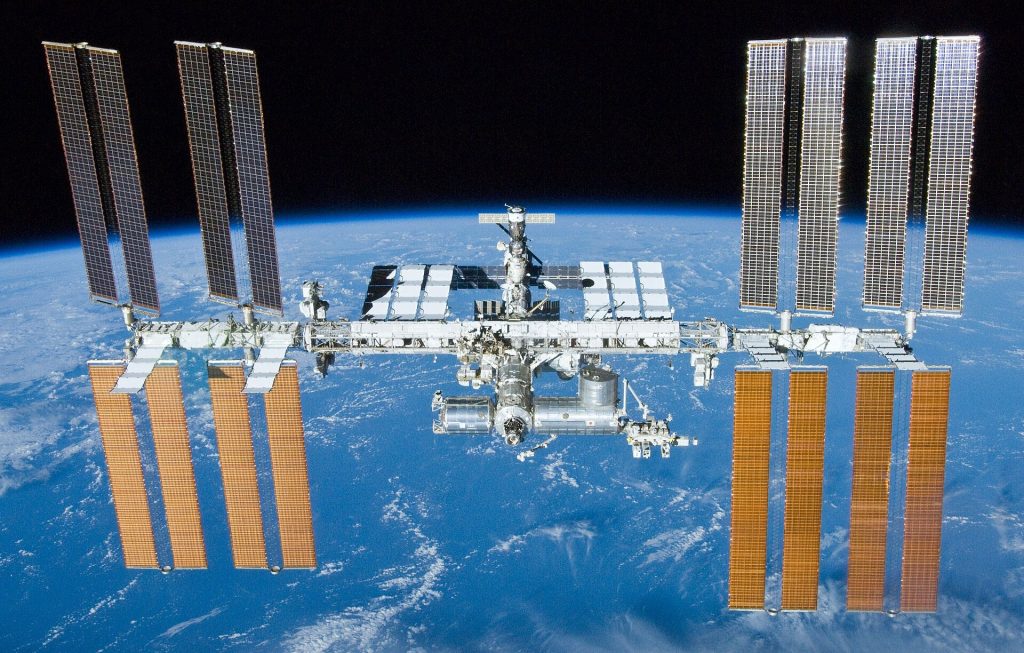
Skylab proved that people could live and work in orbit for months and that unplanned repairs in space were possible. The videos tie the spacewalk repair to later station and shuttle work. The fall in 1979 left a question that Skylab's operators had already considered, and per video 303 a NASA team leader said a fuel load for a controlled re-entry had been dropped at launch because of the danger to astronauts. NASA's next station programme was the International Space Station.
Questions and answers
What went wrong at launch?
About a minute into the flight the meteoroid shield tore away, taking one solar array with it and pinning the other. The workshop overheated and lacked power.
Who fixed it?
The first crew, Pete Conrad, Joseph Kerwin and Paul Weitz, deployed a parasol sunshade and freed the jammed solar wing.
How long did the crews stay?
Skylab 2 stayed 28 days, Skylab 3 stayed about 59 days and Skylab 4 stayed 84 days. Together that is 171 days.
Where did Skylab come down?
NASA said it fell into the Indian Ocean off the southwest of Australia, with debris found across Western Australia near Esperance. No injuries were reported.
Was there a mutiny on Skylab 4?
One video uses that label. The accounts in the other videos describe a missed radio check, a tight schedule and an open conversation with mission control.
Sources: The facts and written text on this page come from the 8 videos on this page, by The History Guy: History Deserves to Be Remembered, Retro Space HD, Hubbell Power Systems, ABC News In-depth, Megaprojects, Classic Aerospace History, Progress – Science Documentaries, Absolute Documentaries.