Thomas Pesquet’s Mission Alpha: Six Months Aboard the ISS
The short version
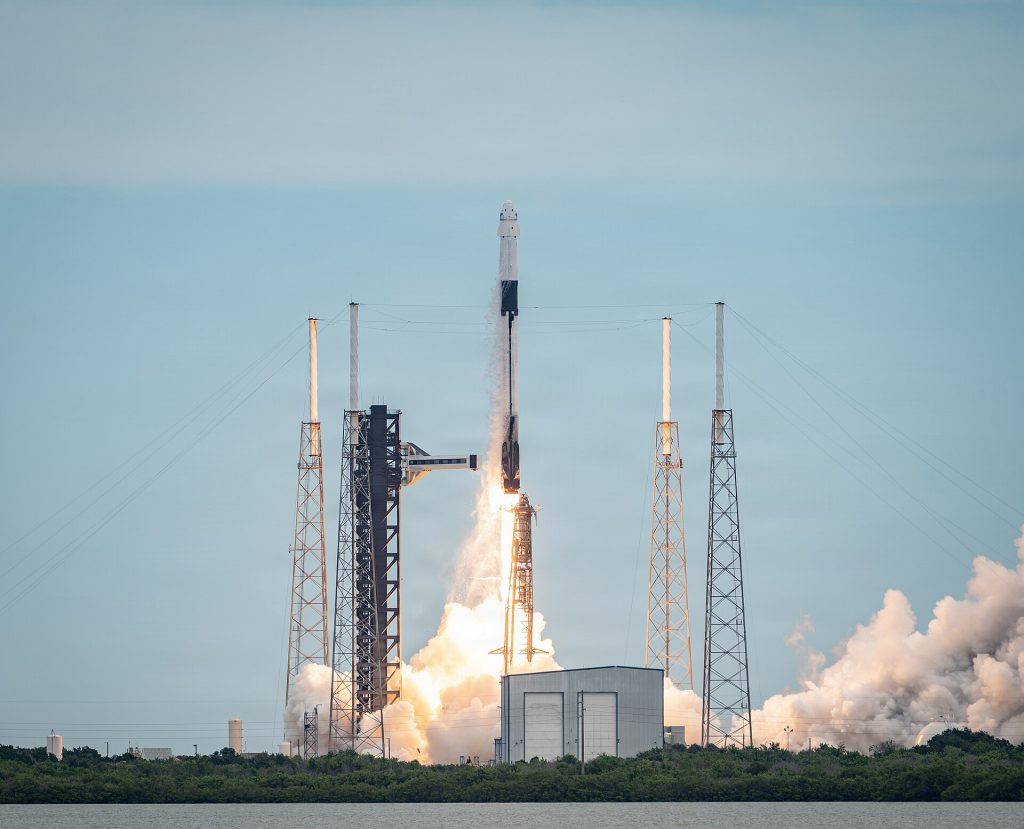
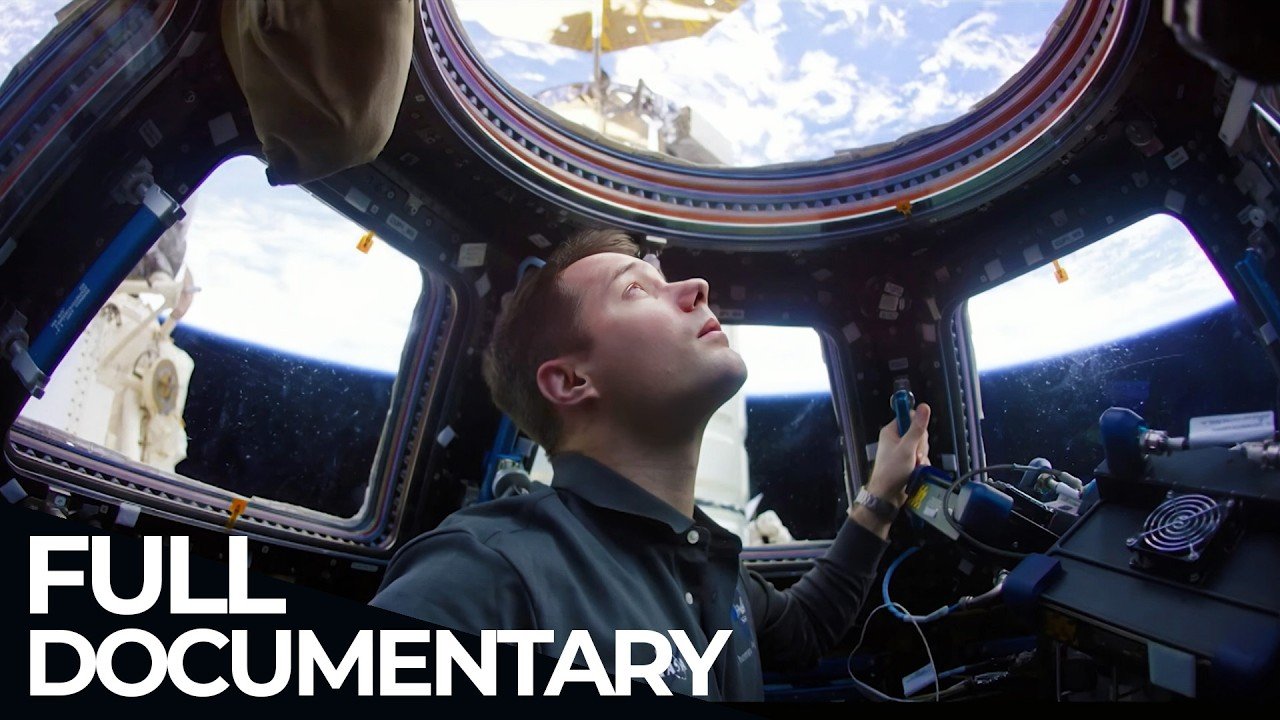
A documentary following ESA astronaut Thomas Pesquet on his second trip to the International Space Station, Mission Alpha, which launched on April 23rd, 2021 aboard a Falcon 9 and Crew Dragon Endeavour. It covers life aboard the station, science in the Columbus lab, spacewalk training and suits, debris and the Nauka thruster incident, and the return by sea landing off Florida.
Full written account
Thomas Pesquet says he took 245,000 photographs of Earth during his second stay on the International Space Station. The mission, called Alpha, began on April 23, 2021, at Cape Canaveral, Florida. It ran for over 195 days and ended with a splashdown off the coast of Florida. By the end of it, Pesquet had spent 396 days in space across his two flights.
A reused capsule and a 23-hour approach
Pesquet flew with American astronauts Shane Kimbrough (commander) and Megan McArthur (pilot), and Japanese astronaut Akihiko Hoshide. They launched on a Falcon 9 in the Crew Dragon capsule Endeavour, which was the first capsule reused for a crewed flight. It had flown before in May 2020, carrying Douglas Hurley and Robert Behnken to the station for 64 days. Pesquet describes the crew as euphoric at liftoff, laughing and high-fiving, because on his second flight he knew what to expect.
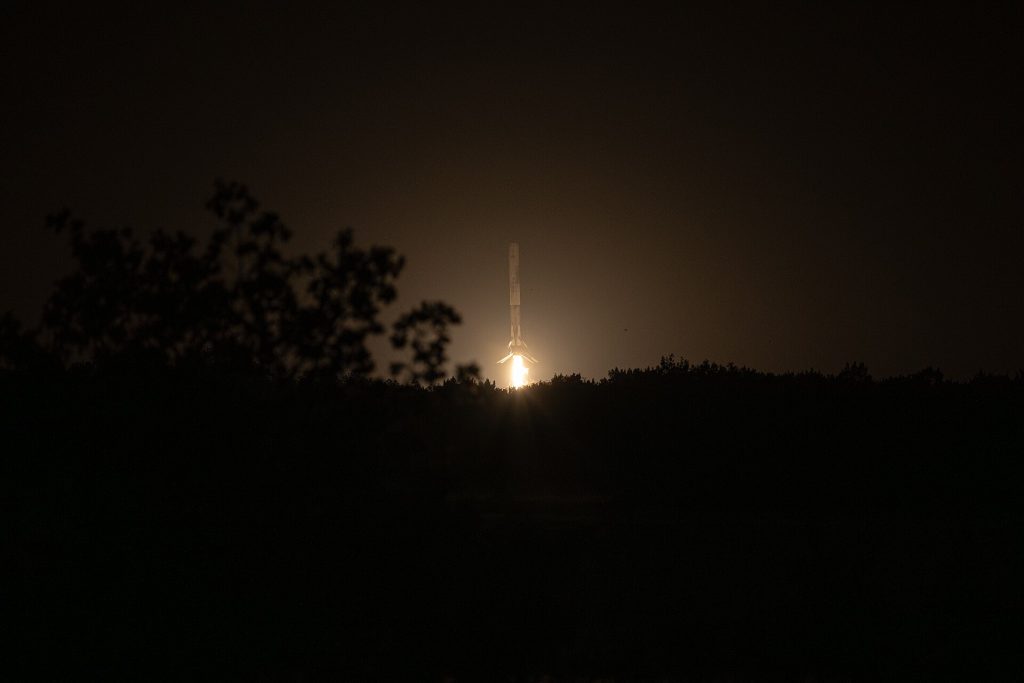
The first stage separated 2 minutes 40 seconds after takeoff and was to land on a platform in the ocean for SpaceX to recover. The second engine shut off about 10 minutes after launch. The docking process took 23 hours 30 minutes and spanned 15 orbits, each lasting 92 minutes. The crew arrived on April 24, 2021, at 1:45 in the afternoon Paris time.
The station they entered
The three pressurized sections form a habitat 51 m long with a volume of 388 cubic meters. A separate, uninhabitable truss is 188 m long and carries solar panels, radiators and the rails for the Canadian robotic arm. The station weighs 450 tons. Seven people have lived aboard since 2021.
Water is recycled at a rate of 80 to 90%, urine included, so 10 to 20% still has to be brought up. Pesquet jokes that the lemonade you drink yesterday is the same you drink today and tomorrow. There are no showers, since water in the air could damage the electrical system. Each astronaut is allotted 300 ml of water for washing with towels. Crews follow Greenwich Mean Time and wake between 6 and 7 in the morning. The station completes 16 sunrises and sunsets a day.
Living with weightlessness
In weightlessness the spine stretches and the body grows a few centimeters. Legs get thinner and faces puffier. Hearts shrink, red blood cell counts fall, muscles atrophy and bones lose calcium. To limit this, astronauts exercise about two hours a day, using a cycle ergometer, a treadmill and resistance weightlifting.
Newcomers misjudge their throws: a screwdriver thrown as on Earth goes one and a half meters, or even 2 m, over the other person's head.
Science at Columbus
Pesquet spent much of his time in the European Columbus module, which has 16 racks. He oversaw nearly 200 experiments, 40 of them European. Columbus holds the fluid science laboratory, the electromagnetic levitator and the European physiology module. Nearly half of Columbus usage goes to NASA in exchange for transport.
The Echo ultrasound was taken aboard on the Proxima mission in 2016 after three years of preparation. Its probe is controlled from Earth by doctors with a joystick, so the astronaut only has to hold it in place. The command path runs from Toulouse to Germany to the United States, then via a relay satellite to the station. The round trip takes under 3 seconds.
Spacewalks and hazards
Spacesuits weigh 150 kg fully equipped and can face temperatures of 150°C in sunlight and -150°C in shade. Astronauts train 150 to 200 hours in the Neutral Buoyancy Lab, a pool 61 m long, 31 m wide and 12 m deep holding 23 million liters. Suits support up to nearly 8 hours outside. Pesquet compares spacewalks to boxing and says grasping something feels like crushing a tennis ball.
He says he was three hours into his first spacewalk before Kimbrough told him to look around. A small jetpack carries only enough nitrogen for one attempt to return, and no one has ever had to use it.
Objects over 10 cm are tracked from the ground. Once during Pesquet's mission, debris was seen too late for an avoidance maneuver. The crew closed the hatches and sheltered in their crew vehicle. The debris passed about a kilometer away. The station also loses 50 to 100 m of altitude per day and must stay between 360 and 460 km.
While Pesquet was aboard, the arrival of the Russian Nauka module accidentally triggered its thrusters and sent the station into a spin. Ground teams commanded the thrusters off, and no damage was done.
Return
On November 8, Endeavour undocked with the same four crew members. Pesquet photographed the station's exterior from 150 to 360 m away, taking almost an hour and a half and 2,000 pictures. He says no one had done this since 2011.
During reentry the crew felt three, four, then 5 g, with the capsule engulfed in flames. After the parachutes opened, the capsule hit the water at 8 m a second.
At the European Astronaut Training Center in Cologne, doctors said bone density returns to good levels quickly, but pre-flight levels may take a couple of years. After his first mission, Pesquet had 21 vials of blood drawn.
Questions this video answers
When did Thomas Pesquet's Mission Alpha launch?
On April 23rd, 2021, from Cape Canaveral, Florida, aboard a Falcon 9 with the Crew Dragon Endeavour.
Who flew with Thomas Pesquet?
Shane Kimbrough (commander), Megan McArthur (pilot) and Japanese astronaut Akihiko Hoshide.
How long did docking with the ISS take?
The Alpha crew's docking took 23 hours and 30 minutes, over 15 orbits. They arrived on April 24th, 2021.
How did the crew return?
Dragon Endeavour separated from the station on November 8th and made a sea landing off the coast of Florida.
How many pictures of the Earth did Pesquet take?
He says he took 245,000.
What happened when Nauka arrived?
Its thrusters were accidentally triggered and sent the station into a spin. Ground teams commanded the thrusters off and no damage was done.