Challenger STS-51-L: O-Ring Failure, Cold Launch and Return to Flight
The short version
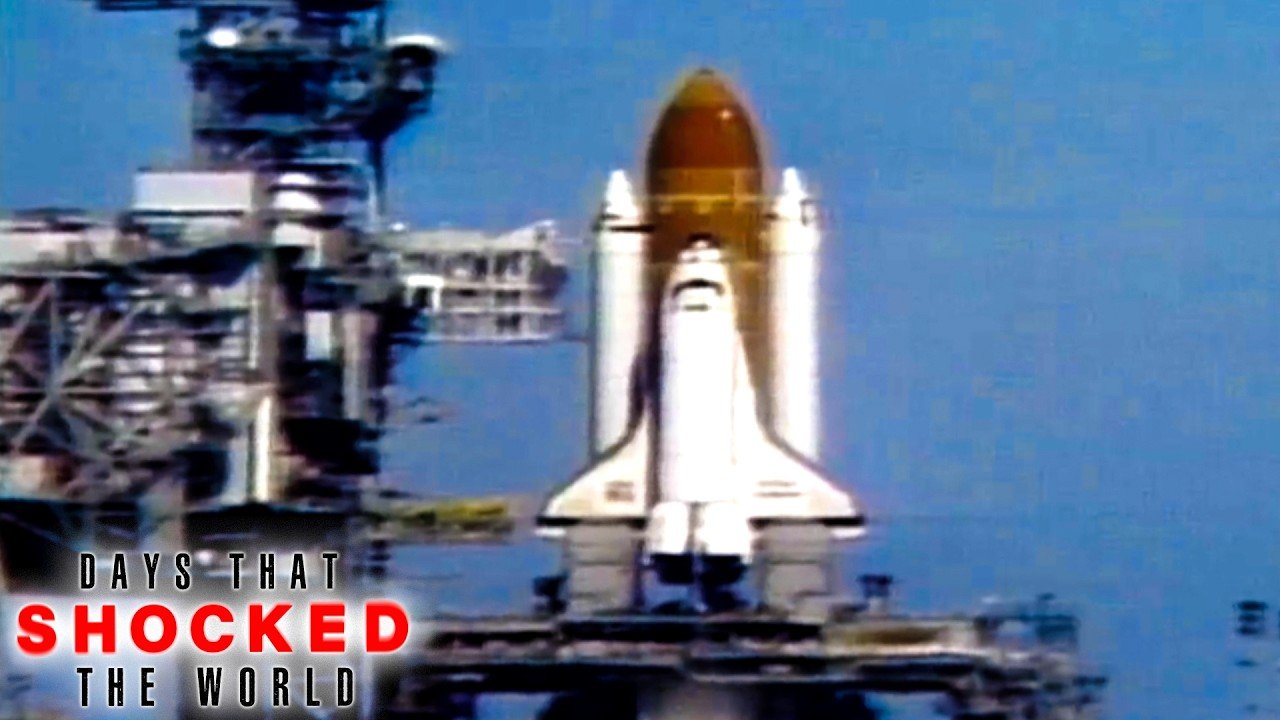
A documentary on the Challenger accident of January 28, 1986, when the shuttle disintegrated 73 seconds into flight with the loss of all seven astronauts. It follows the crew, families and flight controllers, the cold launch morning, the Rogers Commission findings on the booster O-ring, and the return to flight with STS-26.
Full written account
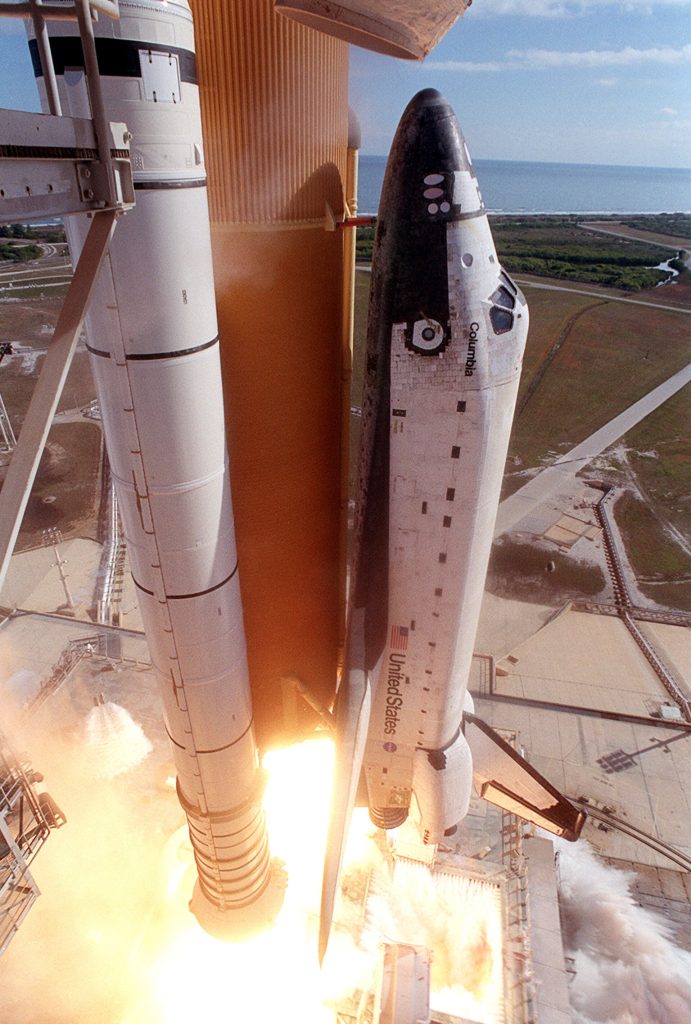
Seven people died when the Space Shuttle Challenger broke apart 73 seconds into flight on January 28, 1986, on mission 51-L from Kennedy Space Center. The night before, engineers at Morton Thiokol, the company that built the boosters, had recommended delaying the launch until the temperature rose to a certain point. NASA managers rejected that recommendation, in what one engineer called a "rather forceful way".
The crew and the mission
The 51-L crew was announced in December 1985. Dick Scobee was commander and Mike Smith the pilot. Judith Resnik was flight engineer, Ellison Onizuka was the expert on the tracking data relay satellite, and Ronald McNair was the expert on the Spartan Halley comet research satellite. Greg Jarvis was a payload specialist, and Christa McAuliffe was the first private citizen passenger in the history of spaceflight, chosen as a teacher. Three of the seven, including McAuliffe, were first-time astronauts; four had already been to orbit.
By summer 1985 NASA had launched 18 shuttle missions in four years. Press attendance and public interest at launches had fallen, and a non-astronaut passenger was meant to share the experience with the public. People close to the program, one speaker says, did not think it made sense to fly people not required for the mission. Others described pressure to keep up with the flight rate, with too few spares and vehicles being cannibalized for parts.
Launch morning
The morning of the 28th was clear and cold, with sheets of icicles hanging on the launch structure. One engineer said it was the worst case of ice at a launch he had ever seen, and that his position was that they could not fly. Rather than cancel, the 09:37 launch time was pushed back two hours. Engineers and the launch team believed it would be all right.
The engines ignited first and the solid rocket boosters six seconds later. After liftoff the commander called the roll program and Houston answered "Roger roll". The engines throttled down to 94% and then to 65% for maximum dynamic pressure, or max Q, before throttling up again. The ascent CAPCOM called "Challenger, go with throttle up" and the crew replied "Roger, go with throttle up." Soon after, there was a crackle on the communications. The public affairs commentator said flight controllers were looking carefully at the situation and that it was obviously a major malfunction. Controllers had no data, and no contingency plans or instructions for the crew.
The investigation
The day after the memorial service attended by President Reagan, NASA showed film in which an unusual plume appeared low on the right solid rocket booster, from one of the aft joints. Two days after the accident Reagan formed a commission, with William P. Rogers as chairman and Neil Armstrong as vice chairman, and gave it 120 days to report.
The joints between booster segments were each sealed with two large rubber O-rings. If gas escapes, it acts like a blowtorch hot enough to burn through the steel of the motor. Recovered booster sections showed burn marks consistent with a damaged O-ring. The commission heard that this had happened before: the problem dated back to the second launch and became more prevalent from spring 1984. Brian Russell's team at Morton Thiokol traced the issue to cold temperatures, because the colder an O-ring is, the less rubbery it behaves. The previous coldest launch, the year before, had produced the worst damage to field joints that engineers had seen.
It is believed that hot gases blew by the O-ring, and that the heat welded the joint shut for almost a minute until high winds and vibrations tore it open. The Rogers Commission determined that the failed booster O-ring was the physical cause, and concluded that NASA's decision to launch that day was flawed. One engineer recalled that NASA effectively asked the engineers to prove it was not safe, the reverse of the usual requirement to prove that it is safe.
Return to flight
The next two and a half years were spent reviewing every shuttle system, and the solid rocket booster joint was redesigned. Discovery launched on STS-26 more than two years after the accident, with Richard Covey in the pilot seat. The crew took the Challenger patch and a picture of the crew to space and paid a tribute. The families built a network of science and engineering learning centers.
Questions this video answers
What happened to Challenger?
On January 28, 1986, the shuttle disintegrated 73 seconds into flight, and all seven astronauts died.
What did the Rogers Commission find?
It determined that the failed booster O-ring was the physical cause and concluded that NASA's decision to launch that day was flawed.
Why was cold weather a concern?
The colder an O-ring is, the less rubbery it behaves, which put the joint seal in jeopardy. Morton Thiokol engineers recommended delaying the launch until the temperature reached a certain point, but NASA managers rejected it.
When did the shuttle fly again?
More than two years after the accident, Discovery launched on STS-26.
Who was Christa McAuliffe?
She was the teacher chosen as the first private citizen passenger in spaceflight.
Explore related missions
Connected by the topic: Space Shuttle