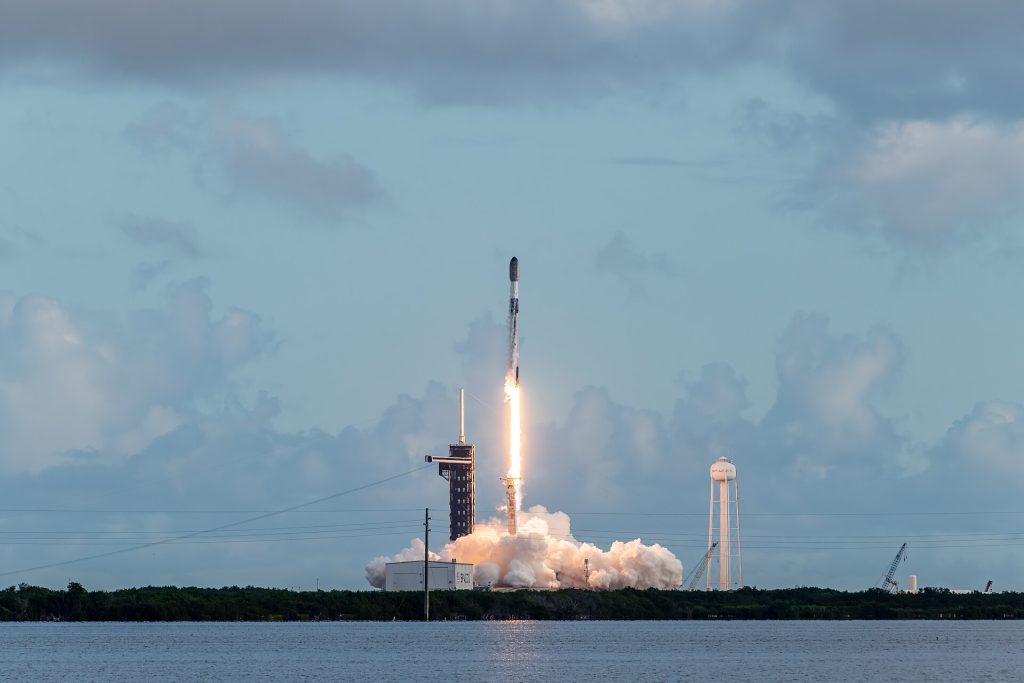
Hubble Space Telescope
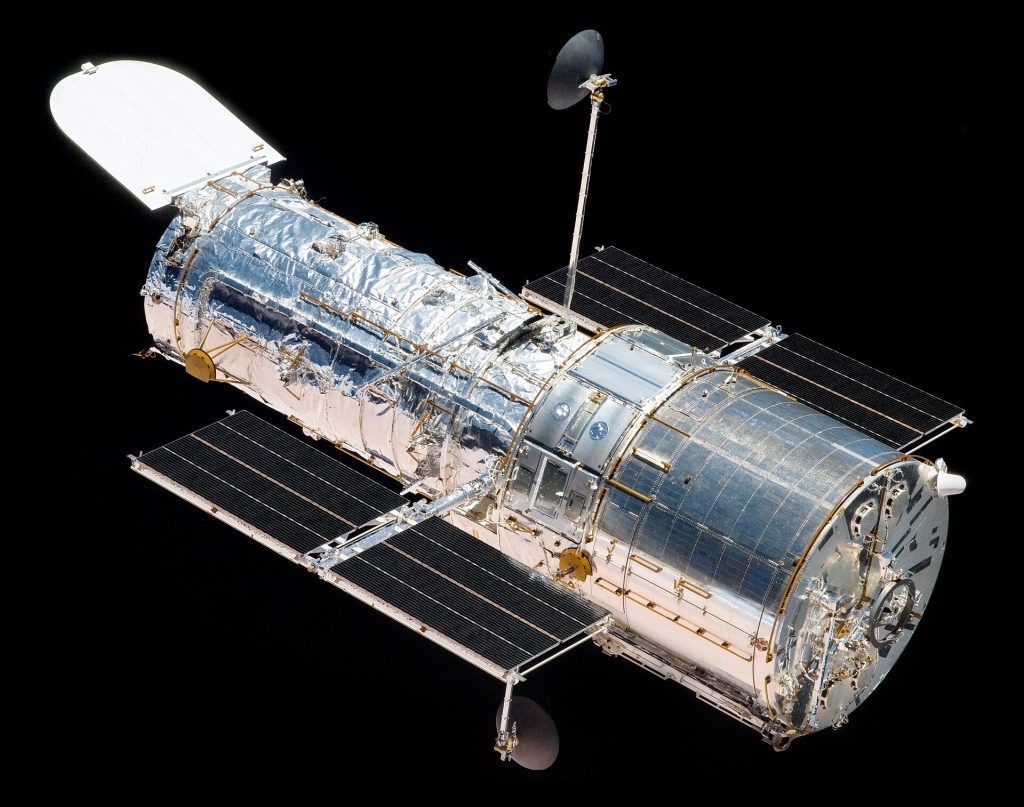
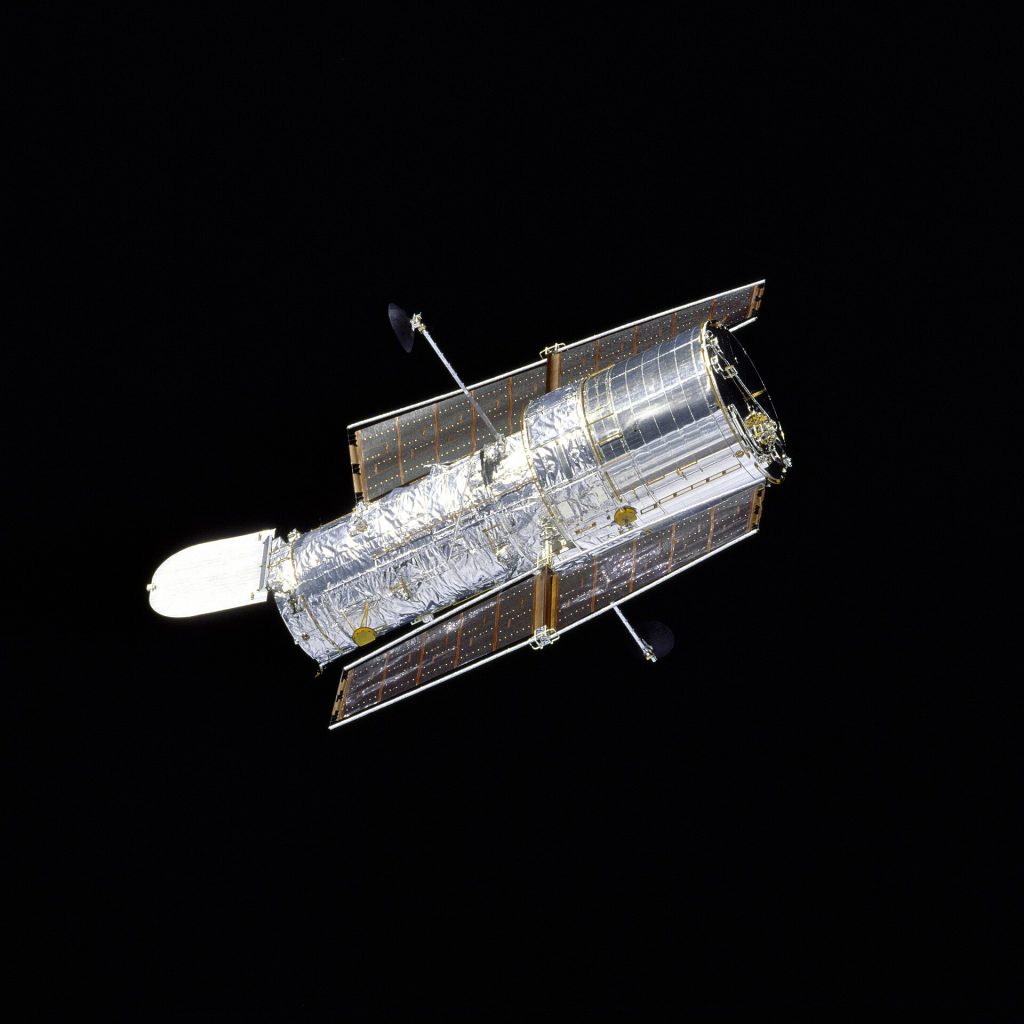
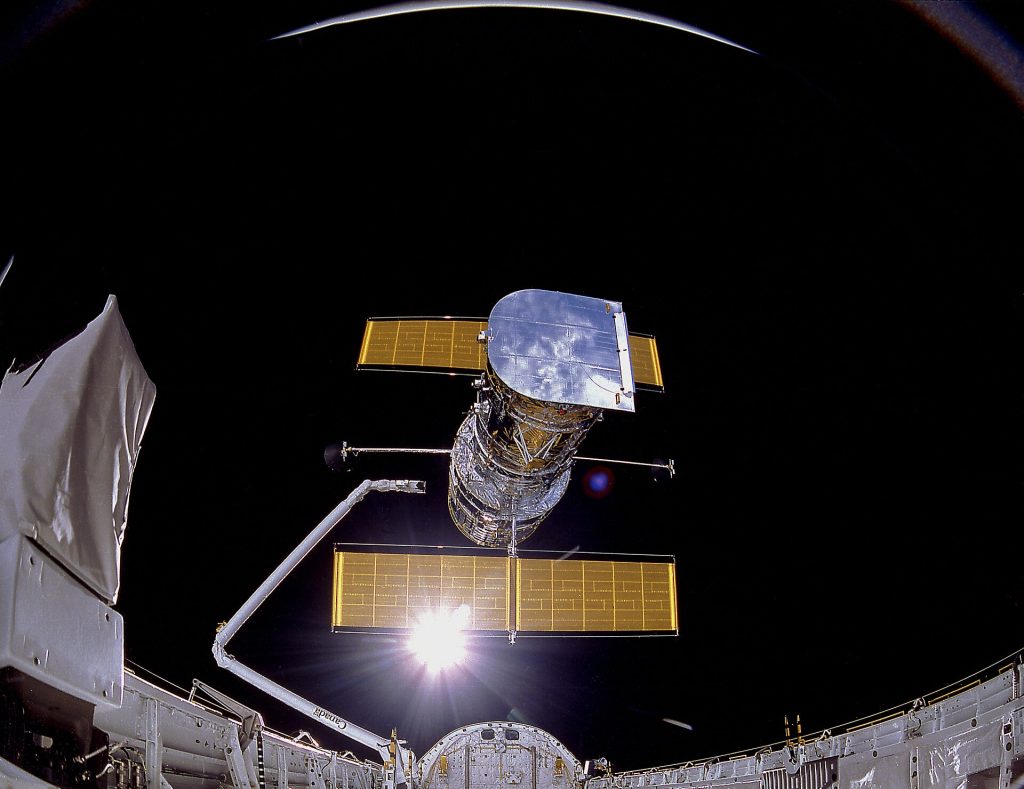
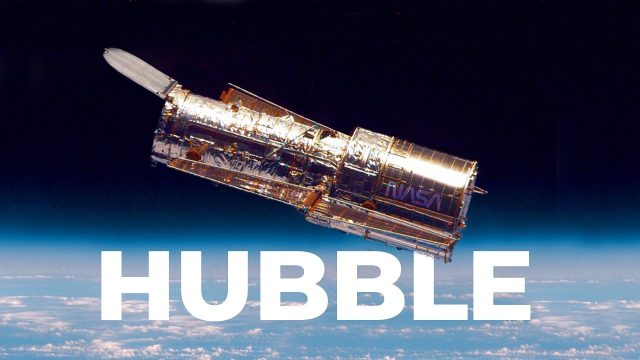
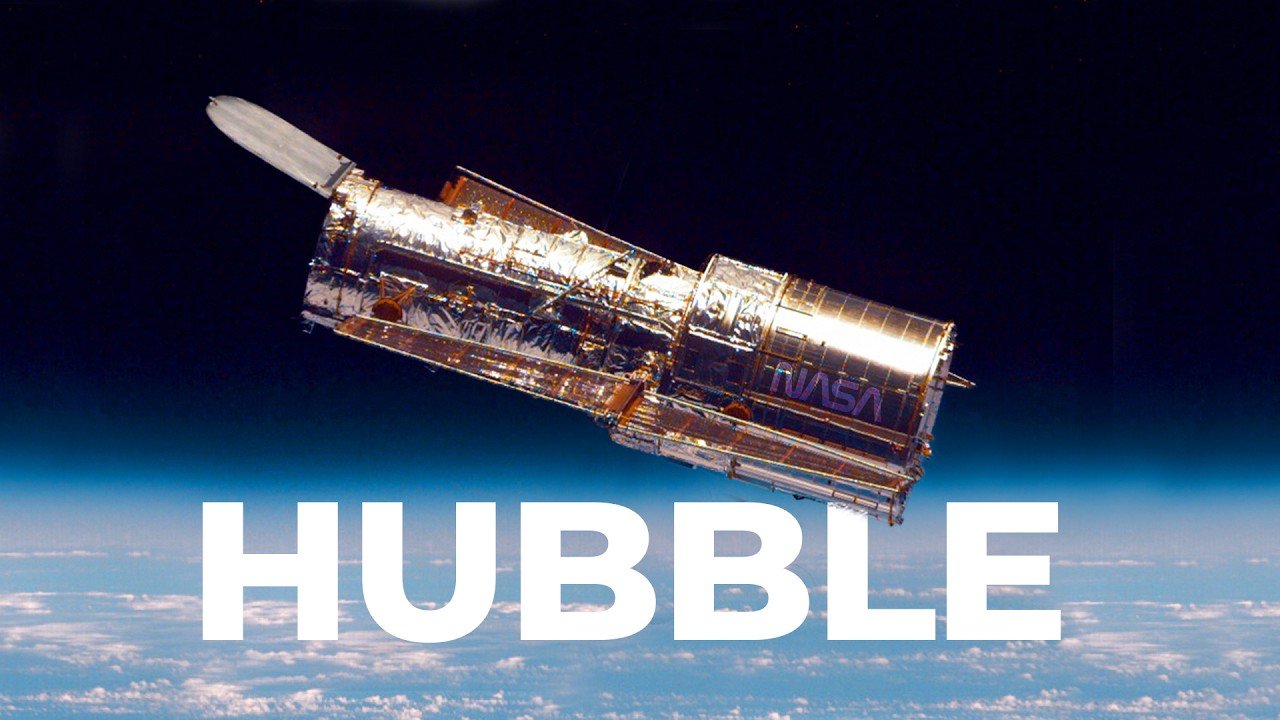
The Hubble Space Telescope was launched on the shuttle Discovery on 24 April 1990 and found to have a flawed main mirror within weeks. Astronauts repaired it in orbit in 1993, and over four more servicing missions turned it into one of the most productive observatories in the history of astronomy.
What happened
-
Watch this moment · 1:16
1986approximately
Challenger delays the launch
The telescope was almost ready when the shuttle fleet was grounded after the Challenger accident, and it waited years for a launch. Speakers in video 41 describe it as the project that would show NASA could still do hard things.
-
Watch this moment · 6:46
Launch on Discovery
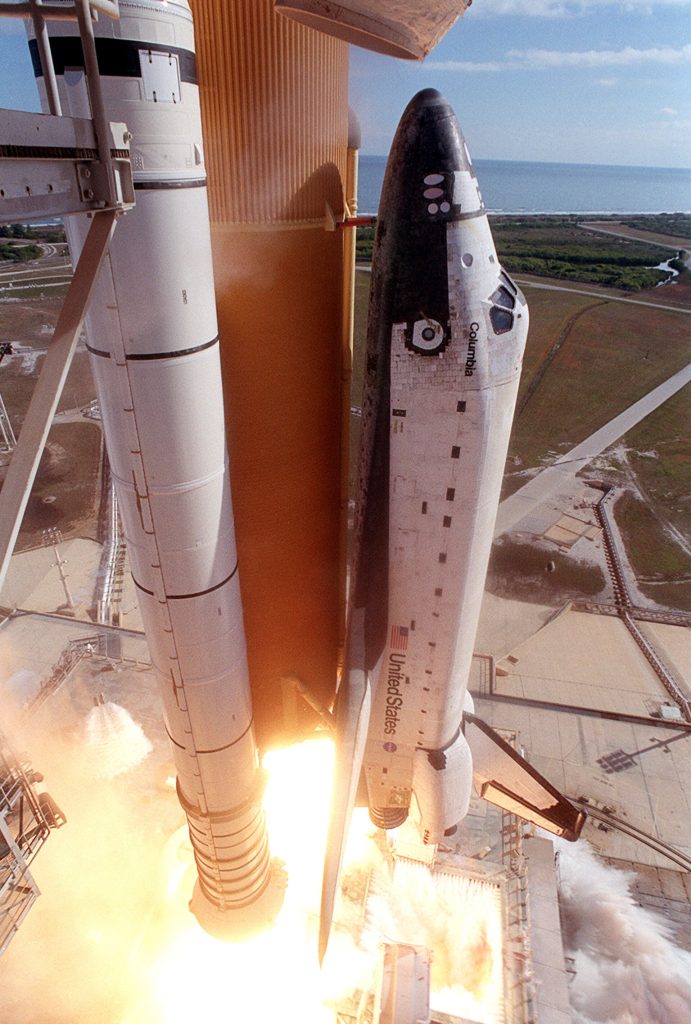
Discovery lifted off with Hubble in its payload bay. The shuttle's arm lifted the telescope out the next day to release it.
-
Watch this moment · 7:35
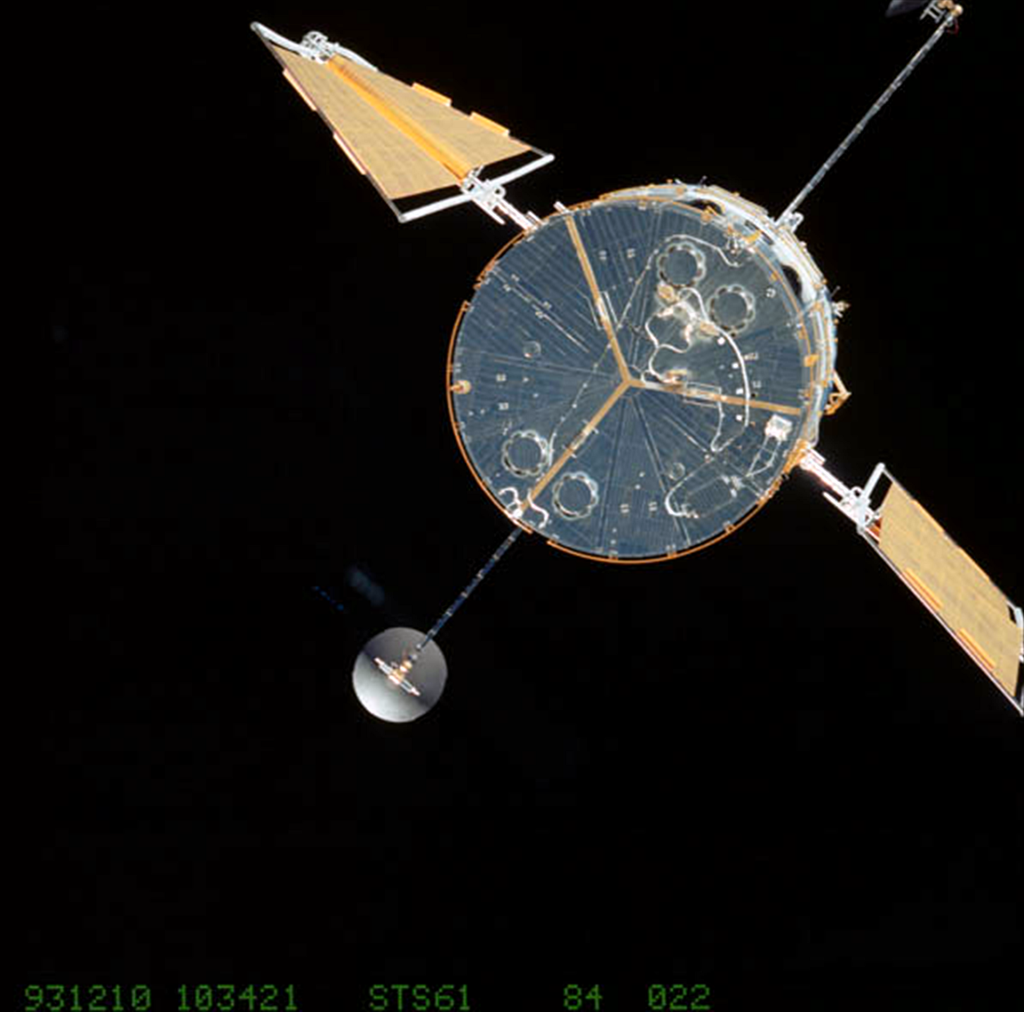
A jammed solar array
One of the two solar arrays stopped partway out. Bruce McCandless and Kathryn Sullivan suited up and waited in the airlock for a spacewalk. Controllers found that tension-monitoring software was stopping the array, disabled it and resent the command, and the array unfurled. The spacewalk was never needed.
-
Watch this moment · 6:06
Weeks laterapproximately
The flaw is found
The first images were not sharp. The primary mirror had a spherical aberration, and Hubble became the butt of jokes.
-
Watch this moment · 22:38
Servicing Mission 1
The shuttle Endeavour carried seven astronauts to fit COSTAR and a new camera. The images that followed showed that the repair had worked.
-
Watch this moment · 15:59
1995approximately
The Hubble Deep Field
Hubble was pointed at a seemingly empty patch of sky and revealed thousands of galaxies in one picture. The result changed how astronomers counted galaxies in the universe.
-
Watch this moment · 0:03
A galaxy 400 million years after the Big Bang
NASA released an image of a red dot, a galaxy whose light took about 13.4 billion years to reach Hubble. It was brighter than expected, which suggested galaxies grew faster and earlier than previously known.
-
Watch this moment · 34:15
2009approximately
The last servicing mission
After the Columbia accident the final servicing flight was cancelled and then restored. Atlantis repaired two failing instruments, installed new ones and replaced the gyroscopes.
Key facts
| Vehicle | Hubble Space Telescope, Space Shuttle |
|---|---|
| Mission name | Hubble Space Telescope |
| Launch site | Kennedy Space Center LC-39B |
| Crew size | 0 |
| Outcome | Success |
Videos about this mission
The videos, in date order
Drag, zoom or press play to watch them on this page.
August 2018 – April 2021
Drag to explore dates · Select a video to preview.
Dates are when each video was first published on YouTube.
Why put a telescope in orbit
The atmosphere blurs starlight, which is why stars twinkle. A telescope above the air sees the same objects more sharply and in wavelengths that never reach the ground. Astronomers had argued for a space telescope for generations, and ground-based measurements left the universe's age uncertain, which Hubble was meant to settle.
The telescope orbits at almost five miles per second, so it needs steady pointing. Video 41 says it carries six gyroscopes, each with a wheel spinning 320 times a second. By launch the project had cost almost two billion dollars and fifteen years.
The flawed mirror
The primary mirror is about 2.4 metres across. When the first pictures came back they were soft, and the cause was a spherical aberration: the mirror had been polished very accurately but to the wrong shape. Video 41 puts the error at its edge at about one-fiftieth of a human hair. A national newspaper headline called it a disaster.
NASA's answer was already built into the design. Servicing missions were planned from the start, and the first one, in December 1993, installed COSTAR and Wide Field Planetary Camera 2. The crew of that flight are on the Hubble Servicing Mission 1 page.
What Hubble found
The repaired telescope fixed the universe's age at about 13.8 billion years as described in video 41. It also revealed that galaxies were present very early, with the 2016 image showing one only 400 million years after the Big Bang. The science did not stop with Hubble: the same questions led to the James Webb Space Telescope, built to look further back at infrared wavelengths.
The shuttle's last Hubble visit was in 2009. Since then the telescope has run without servicing.
Questions and answers
When was the Hubble Space Telescope launched?
On 24 April 1990, aboard the space shuttle Discovery on mission STS-31. It was released from the shuttle's arm the next day.
Why was Hubble's mirror wrong?
It was ground to a precise but incorrect shape, a spherical aberration. Video 41 says the error at the mirror's edge was about one-fiftieth of a human hair.
How was Hubble fixed?
Astronauts on Servicing Mission 1 in December 1993 installed COSTAR, which acts like eyeglasses for the other instruments, and a new camera with its own correcting mirrors.
How many times was Hubble serviced?
Five times, between 1993 and 2009, all by space shuttle crews.
Is Hubble still working?
NASA continues to operate it, but no shuttle can visit it any more. It carries on with the instruments and gyroscopes it has.
Sources: The facts and written text on this page come from the 3 videos on this page, by DCODE by Discovery, NASA Goddard, Primal Space.