Falcon 9 Launches 15 Starlink Satellites From Vandenberg in Fog
The short version
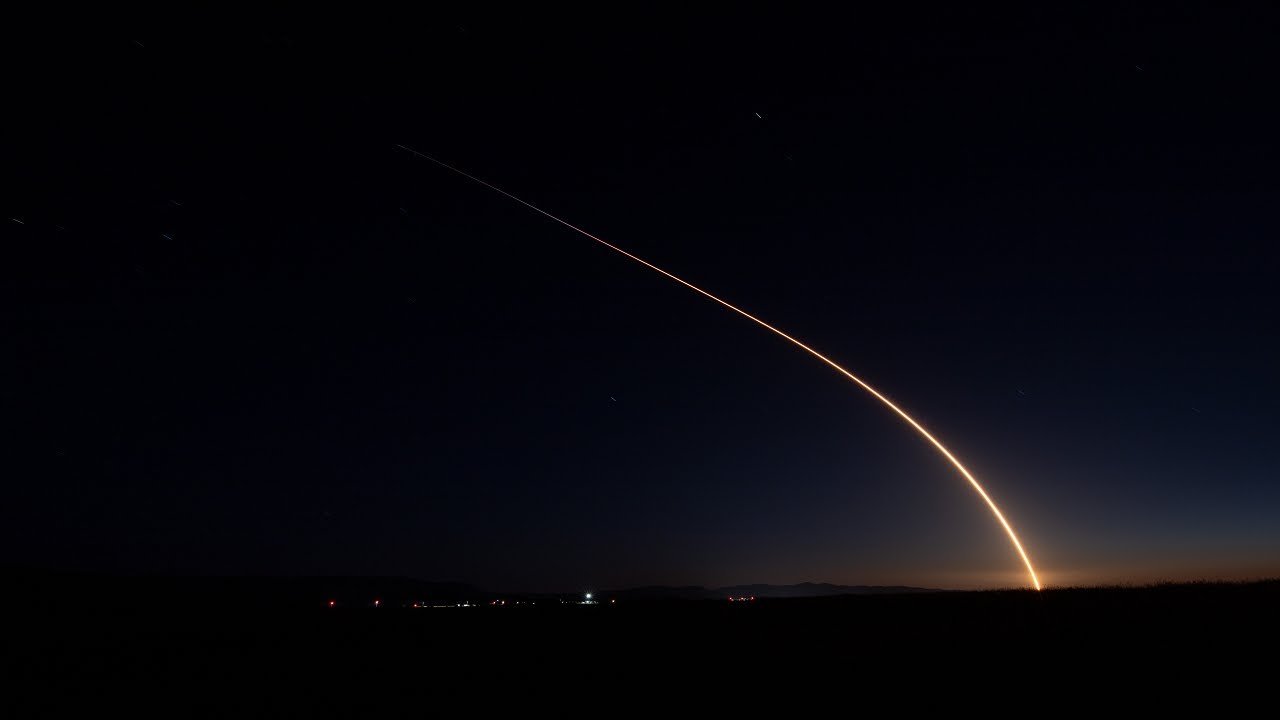
On August 7, 2023 at 8:57 p.m. PT, a Falcon 9 launched 15 Starlink satellites from Space Launch Complex 4 East at Vandenberg Space Force Base in California. The first stage, flying for the fifth time, landed on the drone ship Of Course I Still Love You, and nominal orbital insertion was confirmed. The launch was SpaceX's 54th of the year and 253rd overall mission.
Full written account
On August 7, 2023, at 8:57 p.m. Pacific time, a SpaceX Falcon 9 lifted off from Space Launch Complex 4 East at Vandenberg Space Force Base in California carrying 15 Starlink satellites to low-Earth orbit. The mission was SpaceX's 54th launch of the year and its 253rd overall. No one was aboard.
At the pad
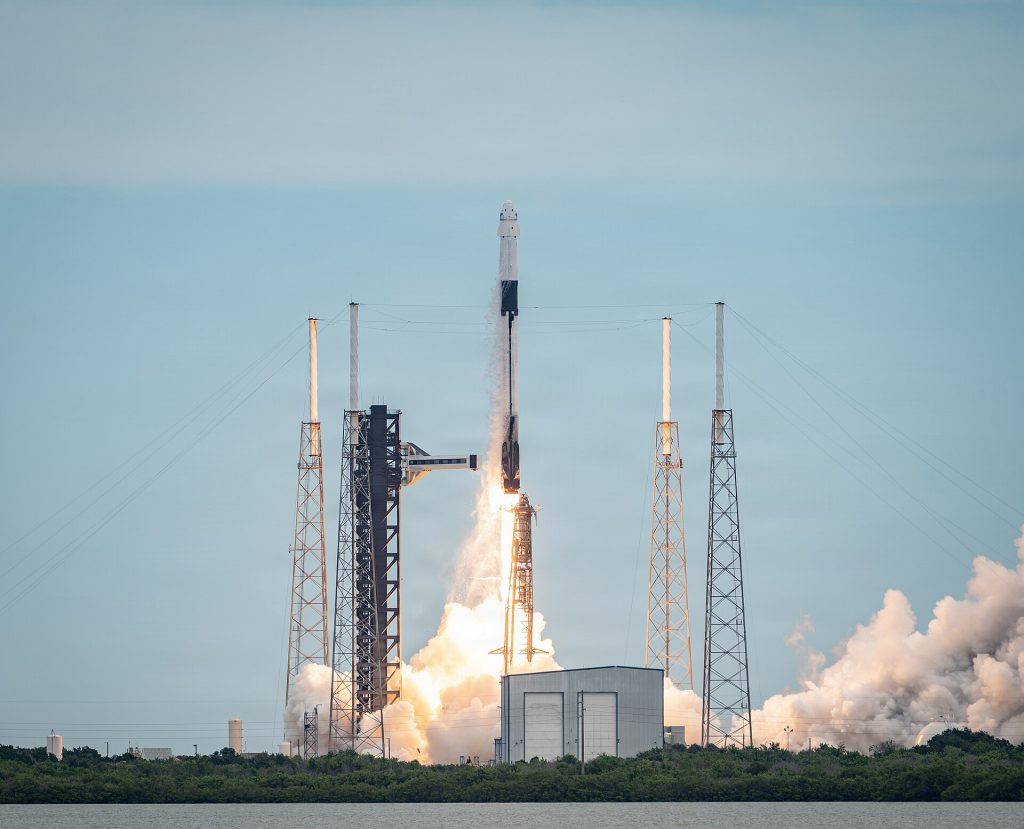
Heavy fog covered the pad, so the broadcast added an outline of the rocket to show it. The strongback, also called the transporter erector, sits next to Falcon 9. It raises the vehicle into its vertical launch position and routes umbilicals, power and telemetry to the vehicle and payload until they run on internal power. Shortly before launch, the clamp arms opened and the strongback moved away from the vehicle.
The white clouds circling the rocket were chilled gas from above the liquid oxygen surface, vented overboard to maintain tank pressure. In the humid California air it condensed into clouds and water. Weather was described as looking great for an on-time liftoff despite the fog.
Countdown
The first stage finished loading RP-1 and liquid oxygen at T minus 2 minutes 47 seconds, and second-stage loading followed. Falcon 9 was fully loaded with 1 million pounds of fuel and liquid oxygen. At about T minus one minute the vehicle went into startup, meaning the flight computers had taken over the countdown. The launch director then gave the final go.
Ascent and separation
The vehicle pitched down range, passed through supersonic speed and then Max Q, the point of greatest external stress on the rocket. Main engine cutoff (MECO) shut down all nine Merlin engines, and pneumatic pushers separated the first and second stages. The second stage lit its Merlin vacuum engine to carry the satellites to their planned orbits. The fairing halves, both flight proven and flying for the sixth time, separated, and SpaceX planned to recover them with its recovery vessel.
Booster landing
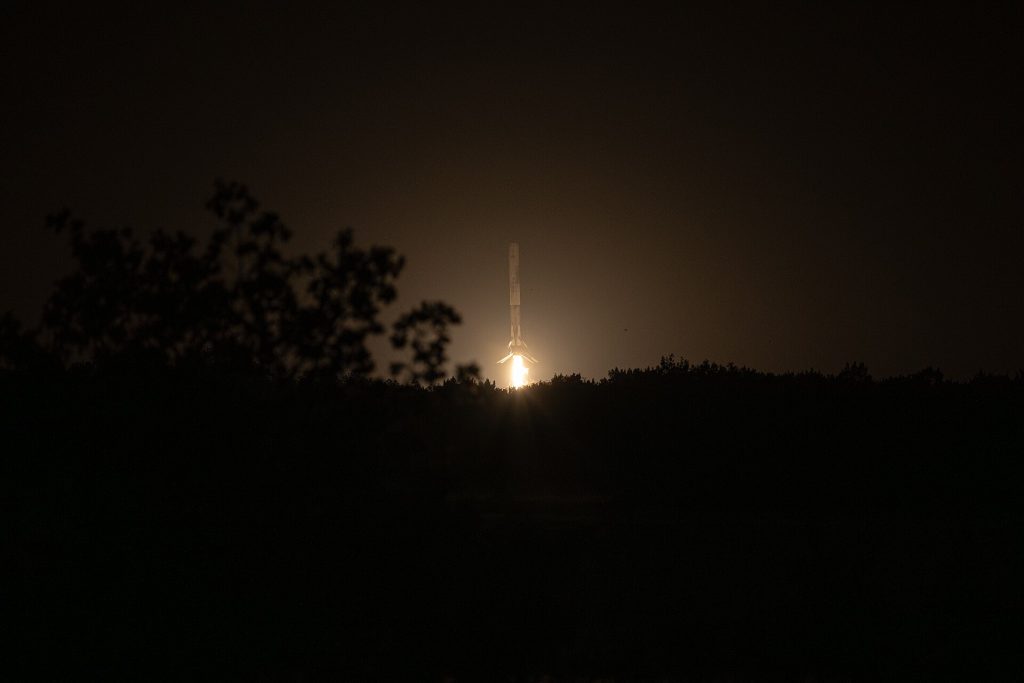
The booster was flying for the fifth time and was scheduled to land on the drone ship Of Course I Still Love You in the Pacific Ocean. According to the description, it had previously launched SDA-0A and four Starlink missions. An entry burn using engines one, five and nine slowed it for re-entry, followed by a landing burn and landing-leg deployment. The stage touched down for its fifth successful launch and landing, the 215th overall landing of an orbital-class rocket including Falcon 9 and Falcon Heavy.
Nominal orbital insertion of the 15 satellites was confirmed. Because of limited ground station coverage at the time of payload deploy, confirmation of deployment was expected to come later.
Questions this video answers
When and where did the launch happen?
Falcon 9 lifted off at 8:57 p.m. Pacific time on August 7, 2023 from Space Launch Complex 4 East at Vandenberg Space Force Base in California.
What did the rocket carry?
It carried 15 Starlink satellites to low-Earth orbit.
Where did the booster land?
On the drone ship Of Course I Still Love You in the Pacific Ocean, after its fifth launch and landing.
What is the strongback?
Also called the transporter erector, it is the large structure beside Falcon 9 used to raise the vehicle vertical and to route umbilicals, power and telemetry until the vehicle is on internal power.
What happened to the fairings?
SpaceX planned to recover both fairing halves with its recovery vessel; both were flight proven and flying for the sixth time.