Falcon 9 Flies Booster for a Record 16th Time on Starlink Launch
The short version
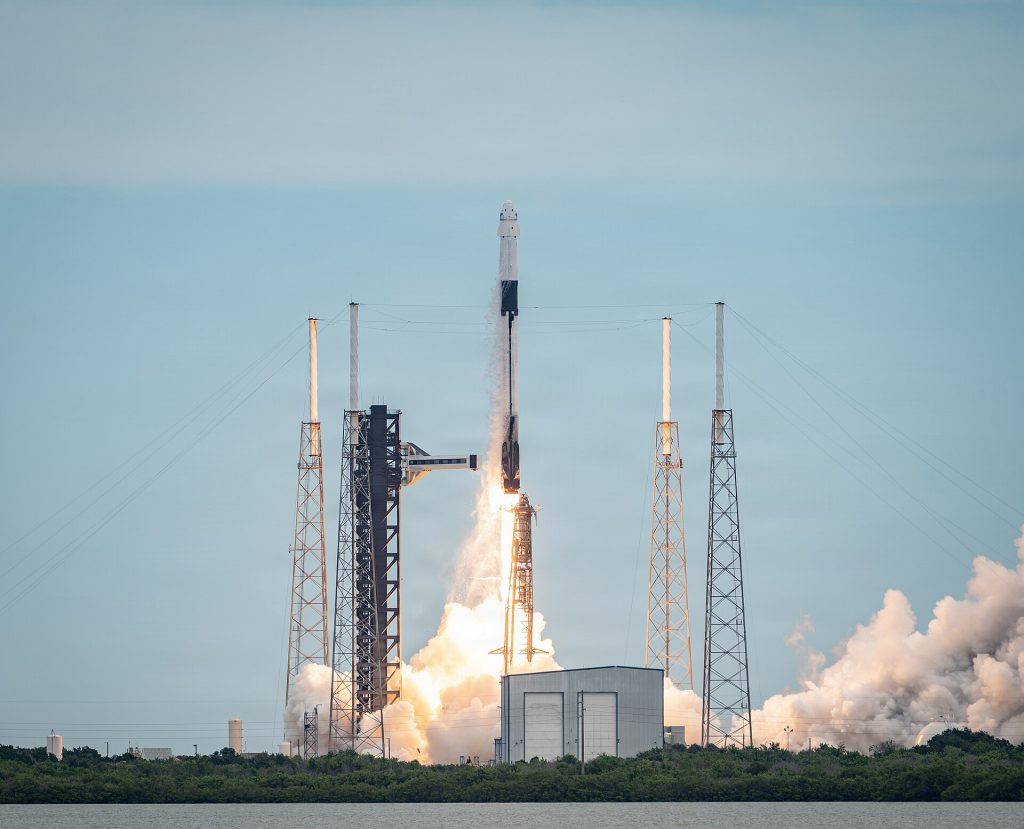
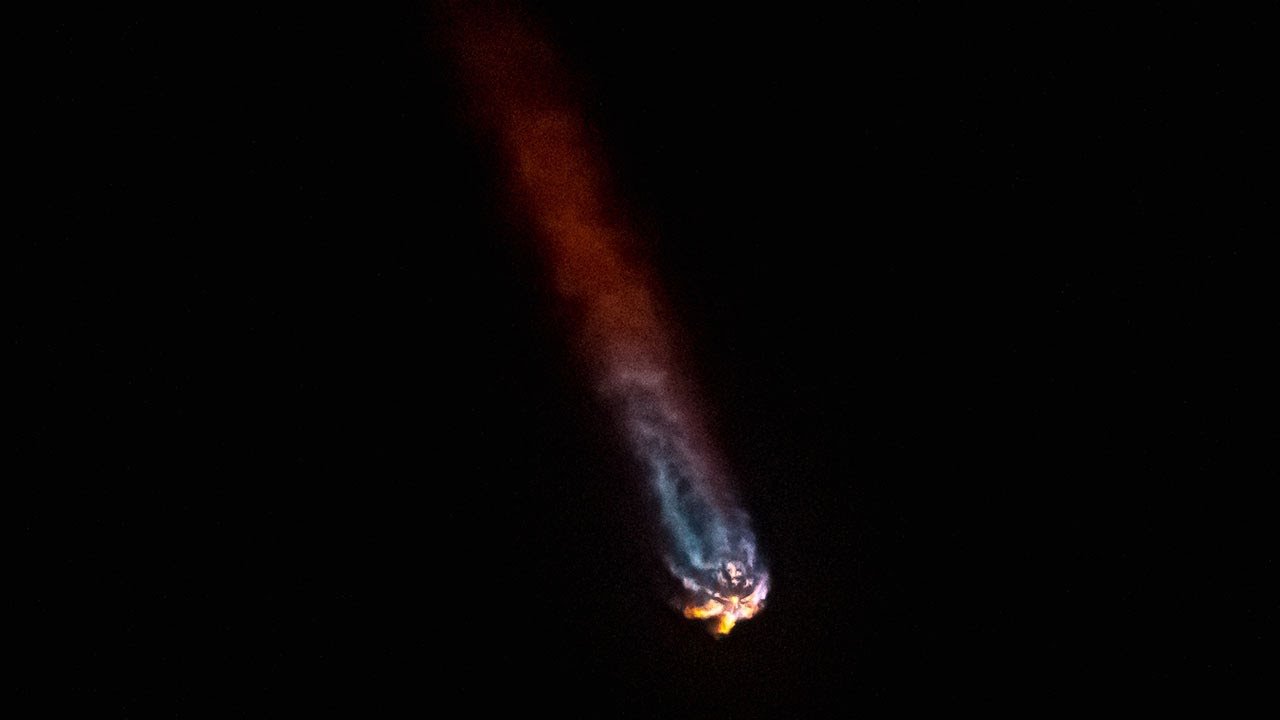
Falcon 9 launched 22 Starlink satellites from Space Launch Complex 40 at Cape Canaveral, Florida, at 11:58 p.m. ET on July 9. The first stage booster flew for a record 16th time and landed on the drone ship Just Read the Instructions. The video reports a good parking orbit after second engine cutoff.
Full written account
A record 16th flight for one booster
On Sunday, July 9, at 11:58 p.m. Eastern Time, a Falcon 9 lifted off from Space Launch Complex 40 at Cape Canaveral Space Force Base in Florida carrying 22 Starlink satellites. The first stage booster was flying for a record 16th time. It first flew NASA astronauts Bob Behnken and Doug Hurley on Demo-2 in May 2020, and had also launched ANASIS-II, CRS-21, Transporter-1 and Transporter-3, plus eleven Starlink missions before this one.
The launch was SpaceX's 46th of the year and its 245th mission overall, according to host Kate Tice, a quality systems engineering manager at SpaceX.
Countdown
About four and a half minutes before liftoff the strongback retract call was heard. The strongback, also called the TE or transporter erector, moves about two degrees away from the rocket during the initial retraction and moves further away at liftoff. Weather showed less than a five percent probability of violating launch constraints, and teams tracked no issues with the vehicle or spacecraft.
The first stage was reported fully loaded with liquid oxygen and RP-1, rocket-grade kerosene, followed by the second stage's liquid oxygen. Fully fueled, Falcon 9 held about 1 million pounds of fuel and liquid oxygen.
Ascent and separation
After liftoff came the supersonic call-out and then Max Q, the point of greatest aerodynamic pressure on the vehicle. Main engine cutoff, when all nine Merlin 1D engines on the first stage shut down, was followed by stage separation and the first second-stage engine start, which lit the Merlin vacuum engine. Fairing separation followed. SpaceX planned to recover both fairing halves with its vessel Bob; the halves were flight proven and flying for the ninth time.
The V2 Mini satellites
The satellites were second-generation Starlink satellites that SpaceX calls V2 Minis. Full-sized V2 satellites are designed for Starship, while V2 Minis were modified to fly on Falcon 9. They are smaller than full-size V2s but much bigger than earlier satellites, with more advanced phased array antennas and E-band for backhaul. That lets Starlink provide about four times more capacity per satellite than earlier iterations. Starlink had over 1.5 million subscribers at the time.
Booster return
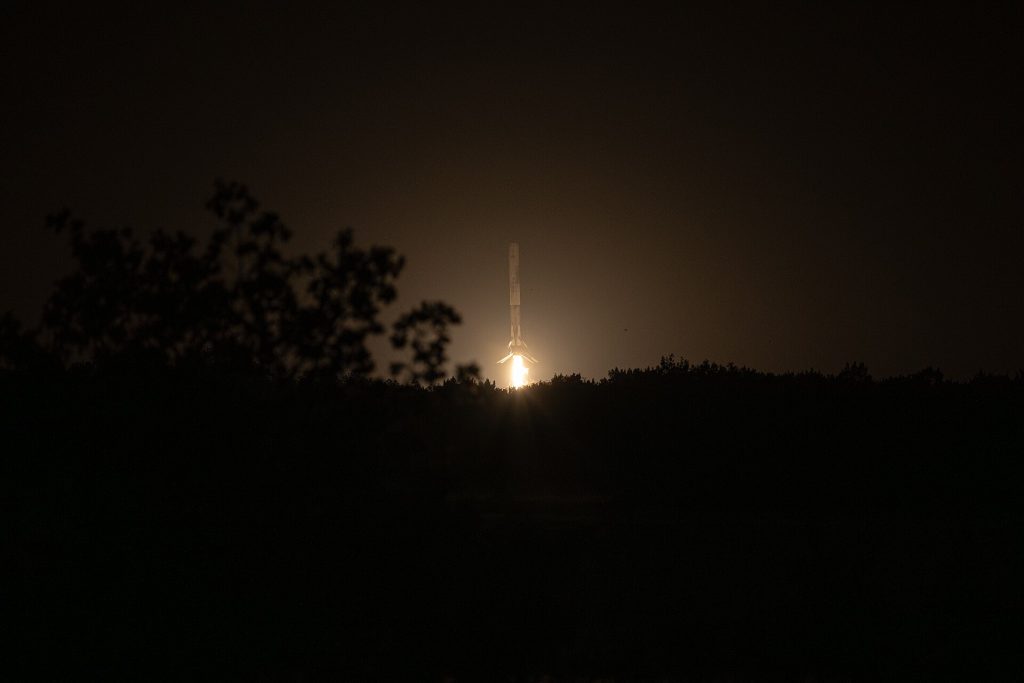
The booster performed an entry burn, igniting engines 1, 5 and 9, the center engine and two radial engines, to slow down for atmospheric re-entry. A landing burn followed, and the stage landed on the drone ship Just Read the Instructions for the record 16th time. It was the 206th landing of an orbital-class rocket, counting Falcon 9 and Falcon Heavy missions. The second stage reached a parking orbit after its second engine cutoff.
Questions this video answers
When did the mission launch?
Falcon 9 lifted off on Sunday, July 9 at 11:58 p.m. ET from Space Launch Complex 40 at Cape Canaveral Space Force Base.
How many satellites were launched?
22 Starlink satellites.
What was notable about the booster?
It was flying for a record 16th time. It previously launched Crew Demo-2, ANASIS-II, CRS-21, Transporter-1, Transporter-3 and eleven Starlink missions.
Where did the booster land?
On the drone ship Just Read the Instructions.
What are V2 Mini satellites?
Second-generation Starlink satellites modified to fly on Falcon 9. They have more advanced phased array antennas and use E-band for backhaul, giving about four times more capacity per satellite than earlier versions.