Falcon 9 Starlink Launch: 22 Satellites and a Ninth Booster Landing
The short version
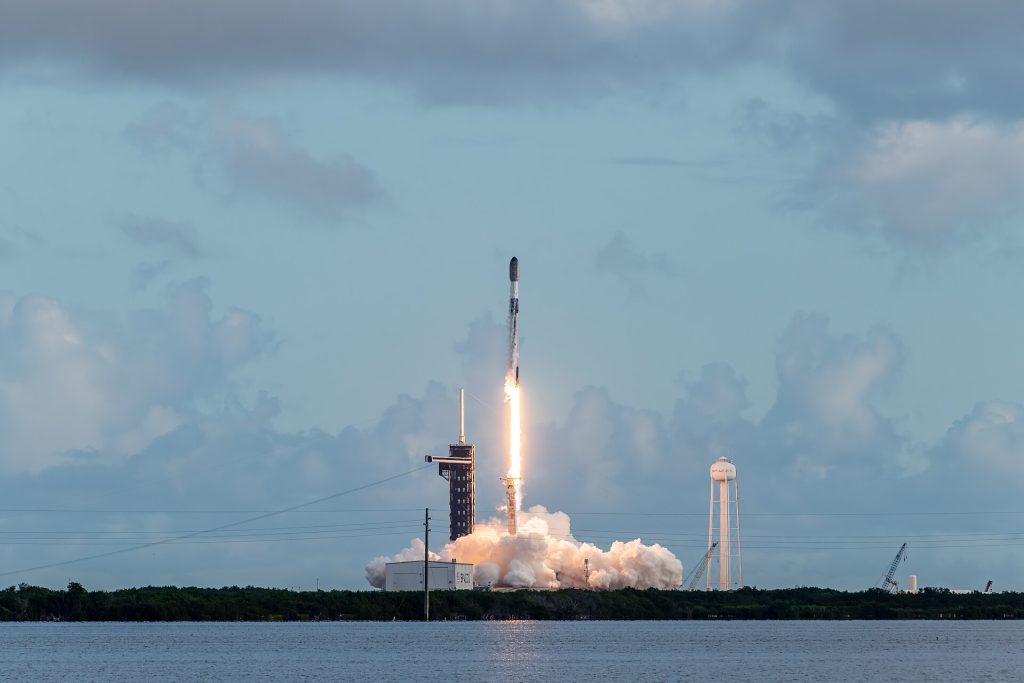
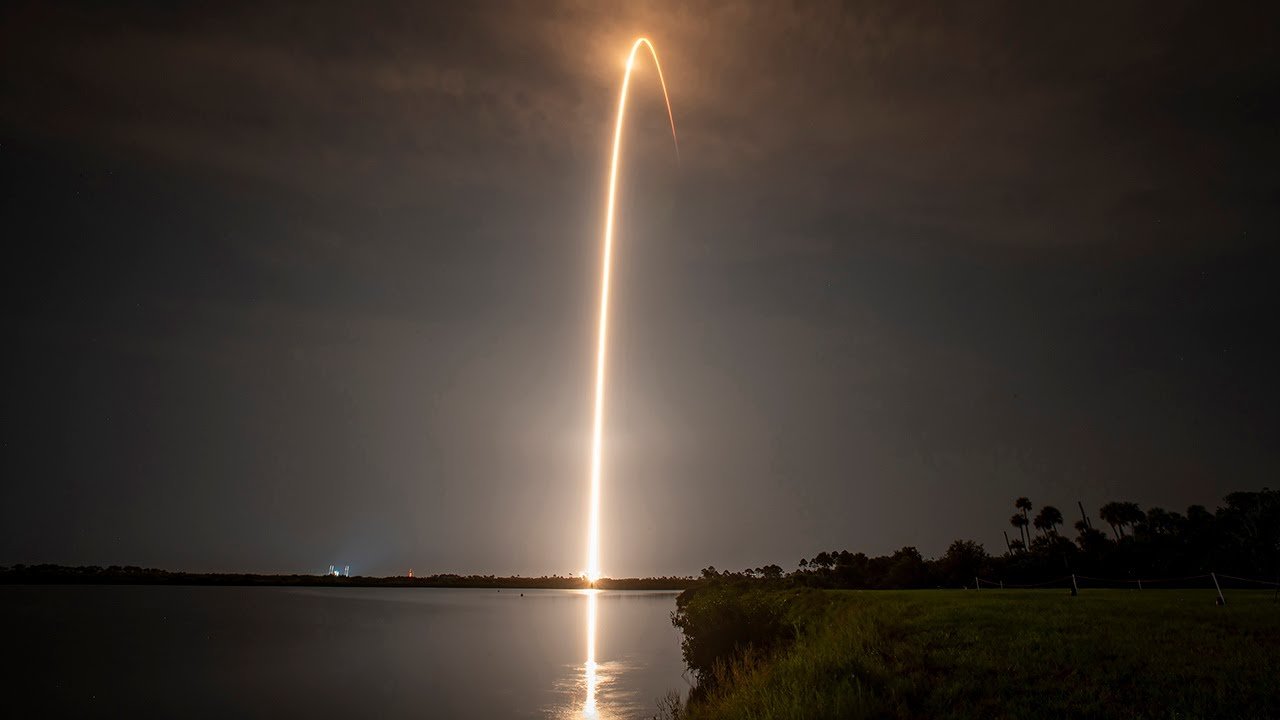
On August 11, 2023 at 1:17 a.m. ET, a Falcon 9 launched 22 Starlink satellites to low-Earth orbit from SLC-40 at Cape Canaveral Space Force Station. The first stage, on its ninth flight, landed on the drone ship Just Read the Instructions, and nominal orbit insertion was called. The webcast marked SpaceX's 55th launch of the year and 254th mission overall.
Full written account
Why does SpaceX land the booster on every Starlink flight?
On Friday, August 11, 2023 at 1:17 a.m. Eastern Time, a Falcon 9 lifted off from Space Launch Complex 40 at Cape Canaveral Space Force Station in Florida with 22 Starlink satellites. The mission was SpaceX's 55th launch of the year and its 254th overall. The first stage was flying for the ninth time, and its recovery was part of the plan from the start. The host explained that recovering the most expensive parts of the rocket lets SpaceX re-fly them, which drives down the cost of space access.
The countdown
At T minus four minutes 45 seconds the range was green. A summer weather forecast that had looked tricky had cleared, leaving a 90 percent chance of favorable weather, and teams were tracking no issues with the vehicle or spacecraft.
The clamp arms below the fairing opened, and the transporter erector slowly moved away from the rocket. That structure is used to roll the vehicle out to the pad and to route electrical connections and propellants.
First-stage liquid oxygen loading finished at about the three-minute mark, and second-stage loading wrapped up near T minus two minutes. White clouds around the rocket were cold oxygen venting from the tanks and condensing in the warmer air. Falcon 9 was then fully loaded with 1 million pounds of fuel and liquid oxygen. At the one-minute mark the vehicle went into startup, and the internal flight computers took over the countdown. Then came the launch director's final call, and the vehicle was go for launch.
Ascent and stage separation
The engines throttled down ahead of Max Q, the point of largest external stress on the vehicle during ascent, then throttled back up. Main engine cutoff followed, then stage separation. The second-stage vacuum engine ignited, and the grid fins on the first stage deployed. The fairing halves separated and headed back to Earth. One was flying for the tenth time and the other for the 11th, and SpaceX planned to recover both with its recovery vessel.
Booster return
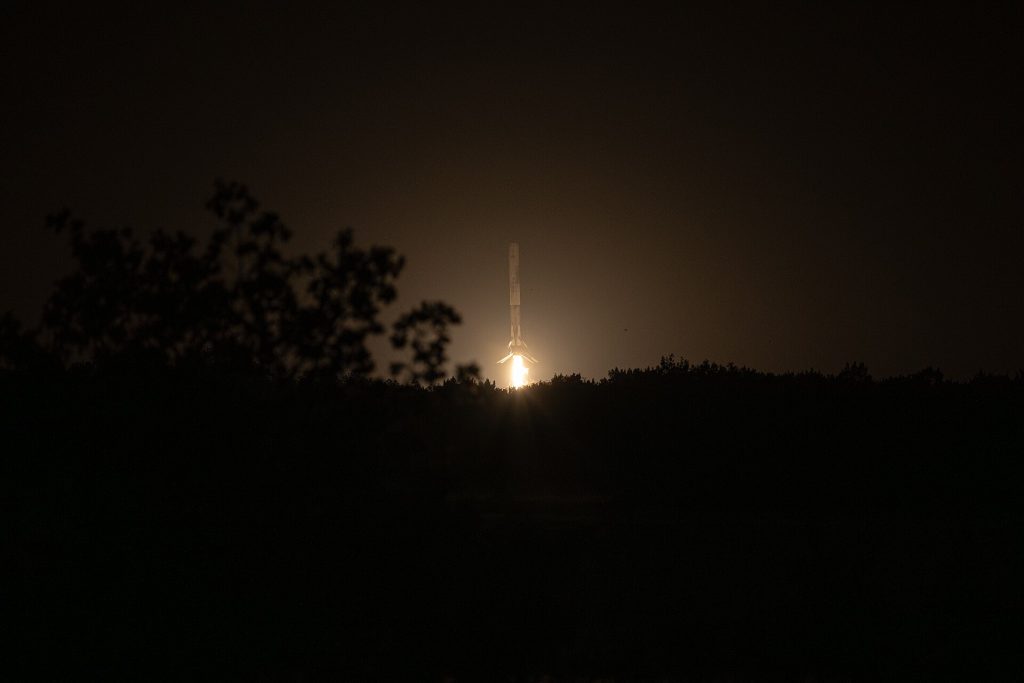
The entry burn relit three of the booster's nine engines for about 20 seconds to slow it before re-entry. The atmosphere then scrubbed most of the remaining velocity. The call-out that stage one was transonic meant the vehicle was near the speed of sound. A single engine fired for the landing burn, and the booster touched down on the drone ship Just Read the Instructions. Second engine cutoff followed, and nominal orbit insertion was called.
The landing was SpaceX's 216th of an orbital-class rocket, counting Falcon 9 and Falcon Heavy missions.
The payload
Starlink is described as the world's largest satellite internet constellation. Its satellites operate in low-Earth orbit, which allows high-speed, low-latency internet for people in remote and rural locations. The booster had previously launched CRS-24, Eutelsat HOTBIRD 13F, OneWeb 1, SES-18 and SES-19, and five Starlink missions.
Questions this video answers
What did this Falcon 9 launch carry?
22 Starlink satellites, bound for low-Earth orbit.
When and where did it launch?
On Friday, August 11 at 1:17 a.m. ET from Space Launch Complex 40 at Cape Canaveral Space Force Station in Florida.
How many times had the booster flown?
This was the booster's ninth flight; it previously launched CRS-24, Eutelsat HOTBIRD 13F, OneWeb 1, SES-18 and SES-19, and five Starlink missions.
Where did the first stage land?
On the drone ship Just Read the Instructions.
Was the fairing reused?
Yes. The two fairing halves had flown before, one for its tenth time and the other for its 11th, and SpaceX planned to recover both with its recovery vessel.
Explore related missions
Connected by the topic: Falcon 9