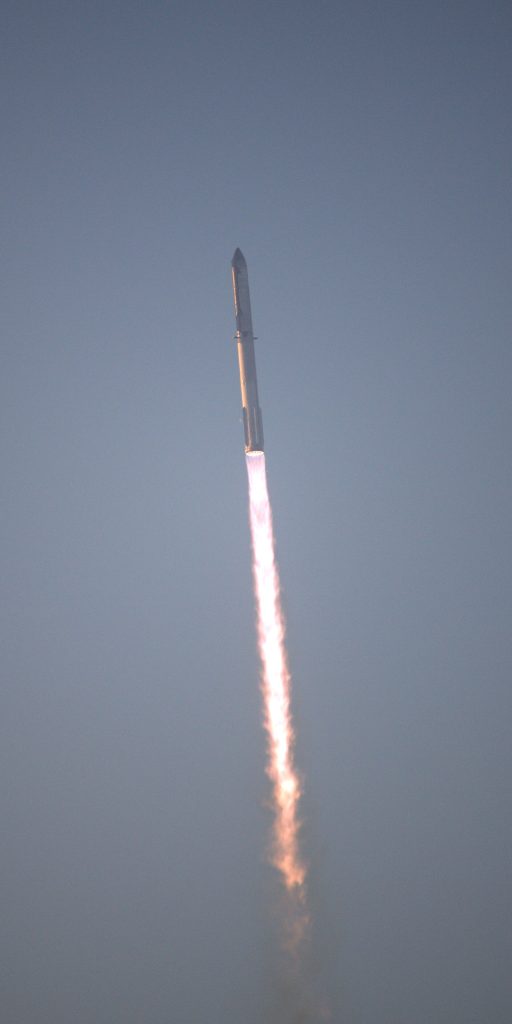
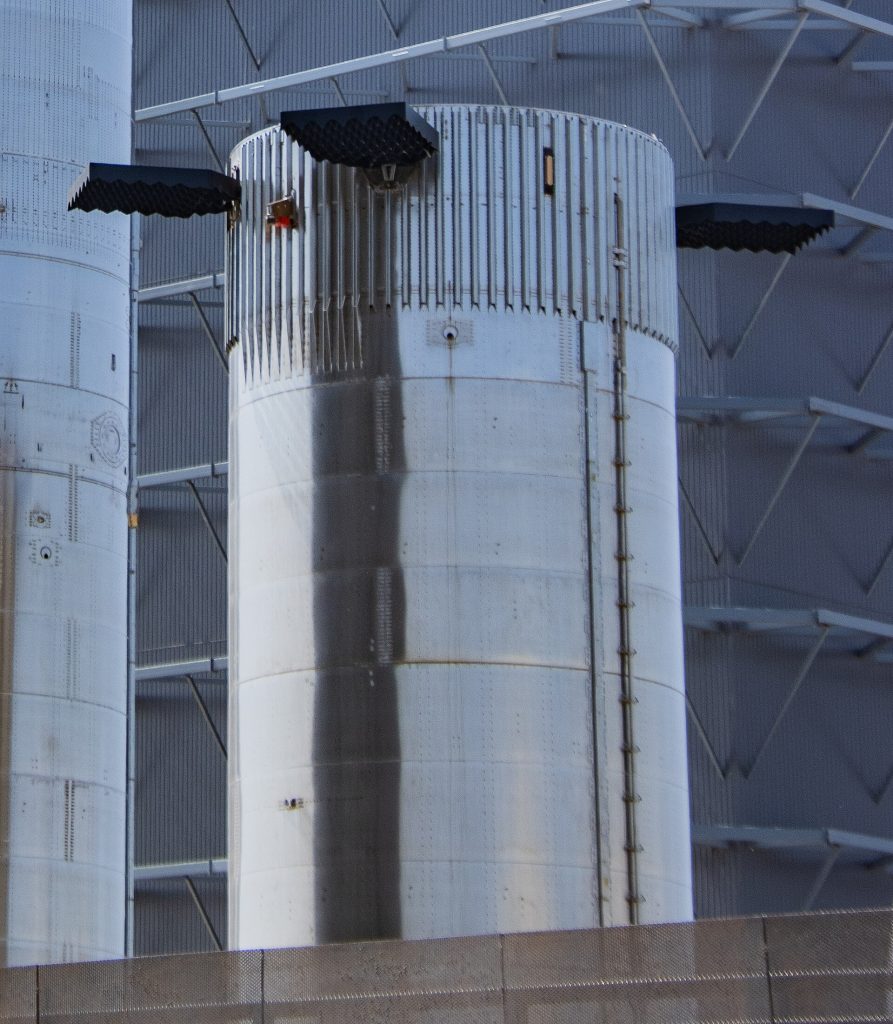
Starship Booster 9 Static Fire: 2.74 Seconds, Four Engines Out
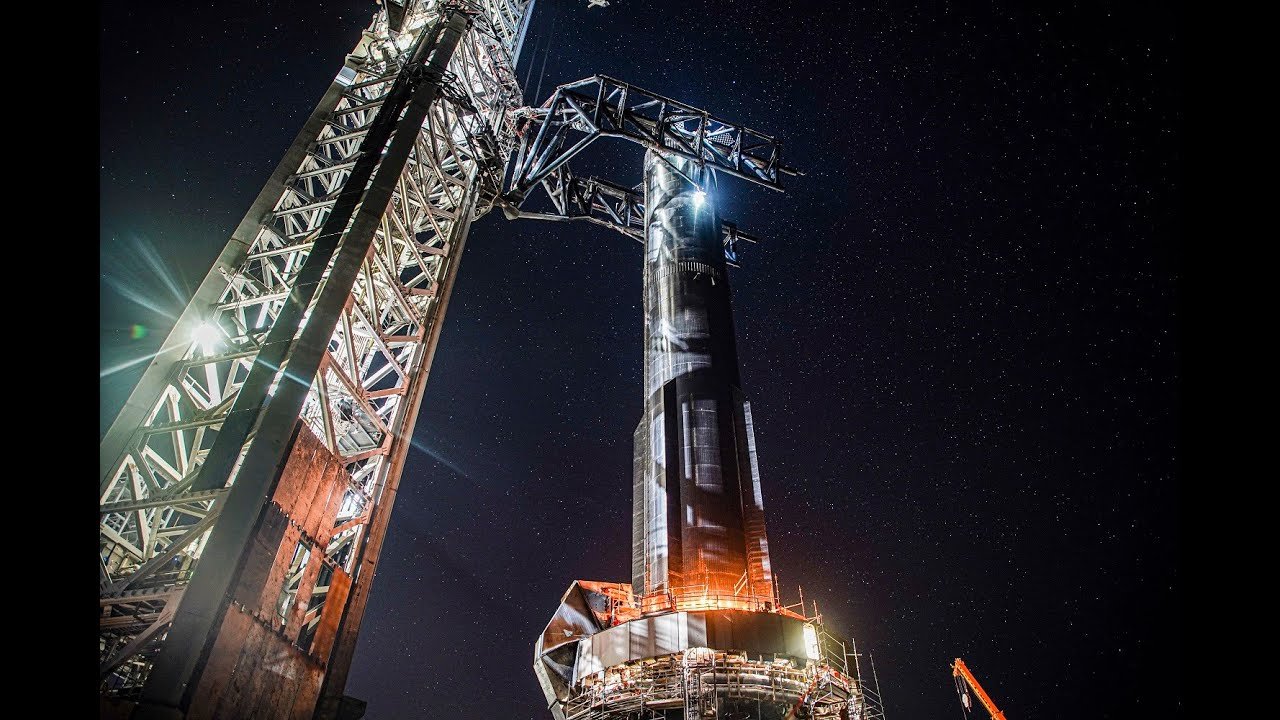
The short version
SpaceX streamed the first static fire of Super Heavy Booster 9 from Starbase, Texas, about 3.5 months after the first integrated Starship flight test. The test used a new water-cooled steel flame deflector and a new startup sequence. The test reached 2.74 seconds, with four engines shutting down prematurely, and the pad and vehicle were reported to look good.
Full written account
SpaceX's Super Heavy Booster 9 ran its first static fire at Starbase, Texas, reaching a test duration of 2.74 seconds, with four engines shutting down prematurely. The test came 3.5 months after the first integrated flight test of Starship.
Background
In the time since that first integrated flight test, the team worked on multiple improvements to the booster, the pad systems and the infrastructure. The static fire was set to test those changes along with a new startup sequence.
The most visible upgrade was a new water-cooled steel flame deflector, part of a water deluge system aimed at protecting the pad against the immense heat and force of a Starship launch.
The test plan
The test was a static fire of the Super Heavy first stage, with no liftoff intended. The engines were not to throttle up to full power, which would happen after a liftoff. Even so, Super Heavy would have more thrust than Falcon Heavy does at full power during its flight.
From ignition of the first bank of engines through shutdown of the last, the test was planned to run just under 5 seconds.
- Propellant loading started at T minus 67 minutes.
- The oxygen tank was fully loaded, while the methane fuel tank received only a partial load, just enough for the short test.
- Frost was visible over most of the oxygen tank but only part of the methane tank.
- The countdown passed a 40-second hold point and went on to the final seconds.
Result
The broadcast showed the countdown, the water deluge system and ignition of the Super Heavy first stage. A callout over the countdown net then reported a test duration of 2.74 seconds, with four engines shutting down prematurely. The broadcast said the booster has 33 engines.
No follow-up came from the flight director during the broadcast. Other discussions indicated that the pad looked good and the launch vehicle looked good. The team planned to proceed to the regular offload of methane and liquid oxygen propellants from Super Heavy.
The hosts congratulated the Starship team for getting through the test, which they said moved the program another step closer to its next flight test.
Questions this video answers
What was tested?
The static fire of Super Heavy Booster 9 at Starbase, Texas, along with pad improvements and a new startup sequence.
What was new at the pad?
A water-cooled steel flame deflector, a water deluge system meant to protect the pad against the heat and force of a Starship launch.
How long did the test run?
2.74 seconds, with four engines shutting down prematurely. It had been planned to run just under 5 seconds.
Did the booster lift off?
No. Liftoff was not planned, and the engines were not to throttle up to full power.
How did the pad and vehicle fare?
The broadcast said the pad and launch vehicle looked good.
Explore related missions
Connected by the topic: Starship