Starship Flight 11: Hot Staging, V3 Booster Landing Burn, SECO
The short version
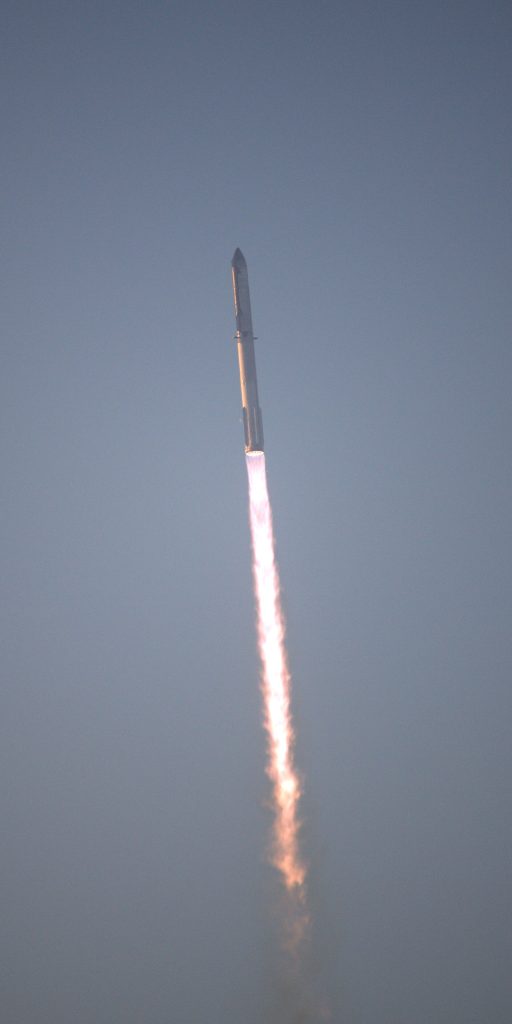
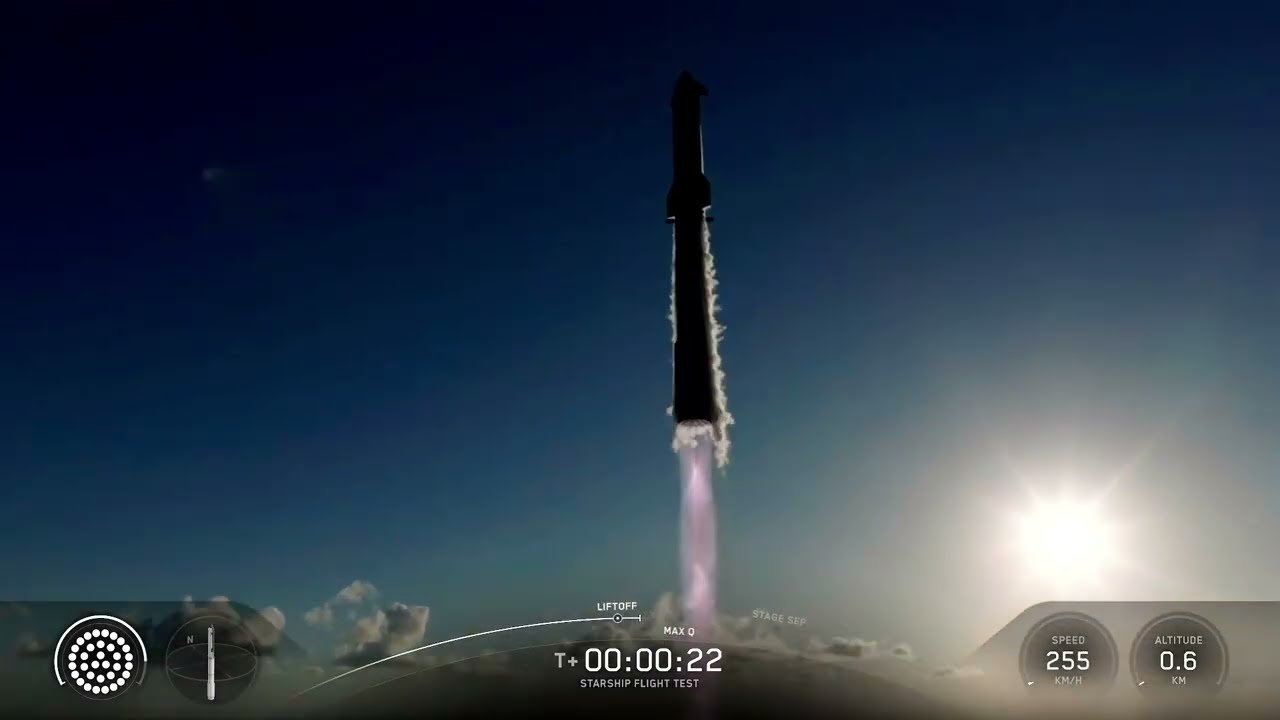
Launch coverage of SpaceX's 11th Starship flight test, flying Starship 38 and Super Heavy B15.2. The broadcast follows 33 Raptor engines at liftoff, hot staging, the booster's boostback and landing burn demonstration in the Gulf, and the ship's ascent burn toward a suborbital trajectory with a planned return in the Indian Ocean. The coverage ends as the ship's Raptors shut down.
Full written account
SpaceX's 11th Starship flight test lifted off with Super Heavy B15.2 and Starship 38, all 33 of the booster's Raptor engines lit. Roughly 45 seconds into flight, the commentators confirmed "33 out of 33" as the stack arced across the Gulf. The launch was from Pad one, and the crew's call at liftoff was a thank-you for "all the historic flights."
Ascent and hot staging
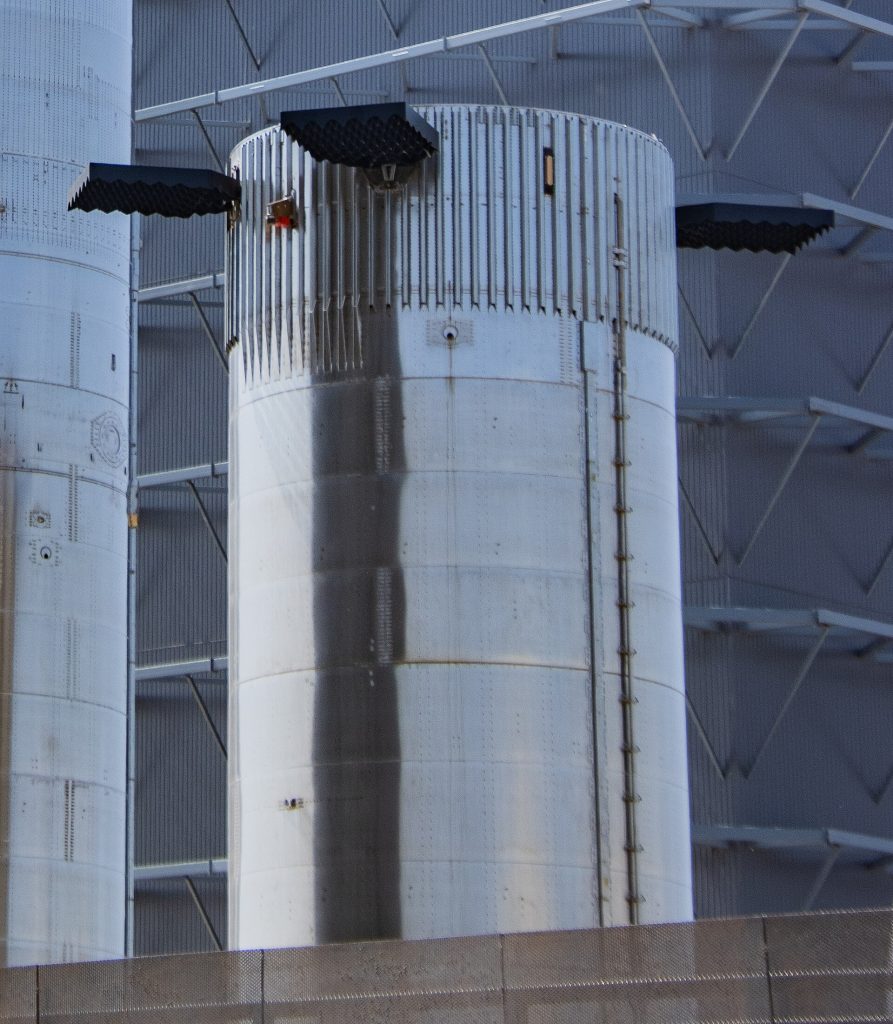
After the vehicle passed Max Q, the period of maximum aerodynamic pressure, the next milestone was hot staging. Most engines on Super Heavy shut down, leaving the three center engines running. The clamps holding Starship to the hot stage adapter were then released, and the ship's six Raptor engines ignited to push it away from the booster.
Commentators called it a successful hot staging maneuver. Twelve of the 13 engines relit on the booster for its boostback, and six of six Raptors were lit on the ship.
Boostback and the hot stage
The boostback burn, using 13 engines, sent Super Heavy toward its planned splashdown zone in the Gulf. After it ended, the hot stage separated. Commentators noted this would be the final time the hot stage was used, and that it would also splash down in the Gulf. The booster dumped some propellant on its way back, and the hot stage passed at a safe distance from it.
Booster landing burn
The landing burn was described as one of the key demonstrations of the flight. Using four hypersonic grid fins to guide itself through atmospheric entry, the booster lit its center 13 engines, brought them down to five, then to three, and cut all of them off about 200 m in the air. This was a V3 configuration demonstration mimicking a tower catch. The booster then went into the water in the Gulf, and a sonic boom was heard afterward.
Ship ascent
The ship continued its ascent burn on six Raptors. Second stage engine cutoff, SECO, was expected at about 8 minutes 58 seconds into flight. The three vacuum-optimized engines shut down first, followed by the three center engines. The trajectory was deliberately suborbital: the ship was going slowly enough not to reach full orbit, so it would return in the Indian Ocean.
Questions this video answers
What vehicles flew on Starship Flight 11?
Starship 38 and Super Heavy B15.2.
Was the flight orbital?
No. The ship was put on a suborbital trajectory so it would return in the Indian Ocean regardless.
What did the booster demonstrate?
A landing burn in the V3 configuration, stepping from 13 engines to 5 to 3, with engine cutoff about 200 m above the water before it splashed down in the Gulf.
How many engines does Starship use during ascent?
Six Raptor engines: three sea-level and three vacuum-optimized.
Explore related missions
Connected by the topic: Starship