Starship Flight 12: Inside the Final Days Before the First V3
The short version
SpaceX's documentary follows engineers through the final days before the first Starship V3 flight, Flight 12. It covers static fire attempts, a broken chopstick roller, a launch abort caused by the ship QD arm, and the flight the next day, which ended with the ship reporting landed.
Full written account
Why did the first Starship V3 launch attempt stop?
In the days before Starship Flight 12, the first Starship V3 flight, SpaceX teams at Starbase worked through a string of problems. The first launch attempt was called off. Engineers traced the cause to the ship QD arm, and the flight went the next day.
Static fire attempts
The main objective of one test was a 10 engine static fire. It aborted when sensors out near the flame diverter were shaken by noise and vibration during engine firing. Engineers then looked at the data and changed their parameters so the test would not abort again. The previous test had not run long enough to give the engineering data needed. The fourth static fire attempt finally went full duration on all engines.
The flame deflector on pad two uses water at about 650,000 gallons per minute, which the team compared to an Olympic swimming pool drained in a minute. The rocket's thrust is about 18 million lbs, with 65,000 lbs per second of propellant.
A broken roller
After the static fire, as the chopstick arms were being lowered, a loud noise came from the pad. A link in the roller chain had broken. It is 380 lb and built like a bike chain. The team obtained spare units from the Cape, overnight. The problem was found and fixed in about 30 to 36 hours, with cranes supporting the work.
Payload and recovery
The ship carried 22 deployed objects: two imaging satellites and 20 satellite simulators, about 37 and a half metric tons in total. The flight was suborbital. A ship departed Exmouth for a voyage of up to 21 days into the Indian Ocean with buoys and drones to record the heat shield during reentry. B19 was rolled out to the pad.
The abort and the fix
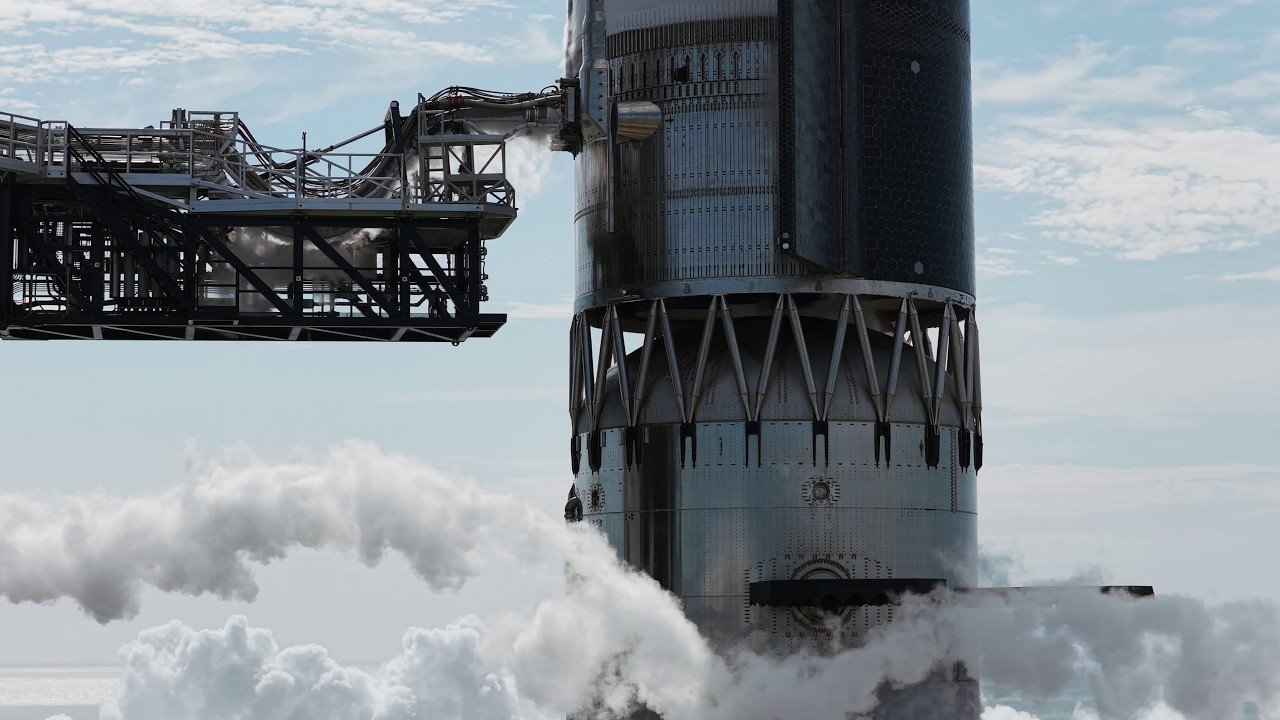
On the first attempt the countdown held at 2 minutes 40 seconds, and the QD arm unpinning caused an unexpected drop in Z cylinder blind pressure. Engineers explained the unpin was done for the first time in flight-like conditions. The arm pushed against the tower, and when the pin retracted the end effector jiggled, setting off tight bounds on the hydraulic system. The next day the team said the cause was the dynamics of the ship QD arm due to preload. They welded a hard stop bumper to the arm to limit displacement.
Flight 12
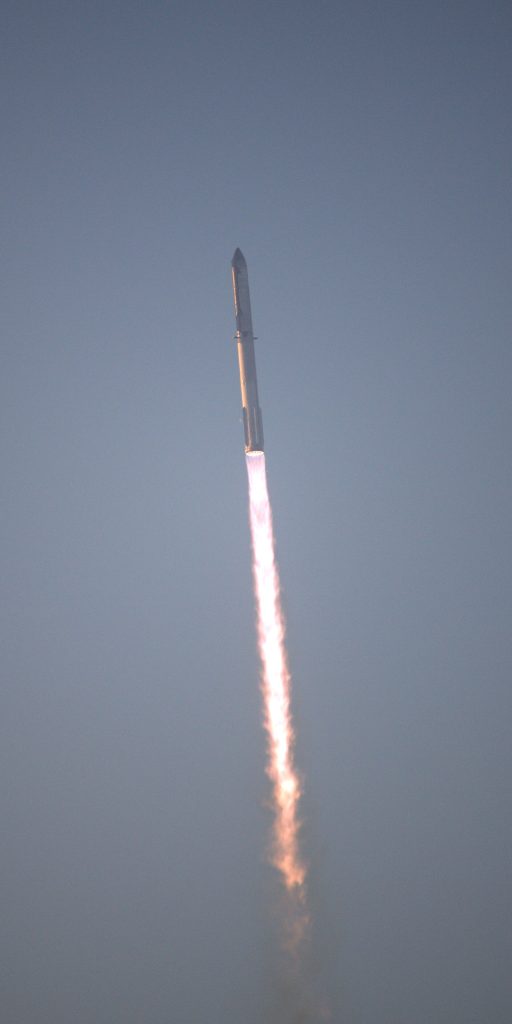
After a go/no-go poll and a hold at T-minus 40 seconds, Starship lifted off. Max Q and stage separation followed. The booster logged many alerts, and an early booster shutdown was expected. The booster did not make it to the final landing location. Five of six ship engines showed healthy chamber pressures. Sensors were deployed, and the ship was reported landed.
Questions this video answers
What flight does Critical Path follow?
The first Starship V3 flight, Flight 12, was attempted after a scrubbed first try the day before.
Why was the first launch attempt aborted?
The ship QD arm moved when it was unpinned, because of the preload it was pushing into the vehicle with. The jiggle exceeded tight bounds on the hydraulic system.
How was the problem fixed?
A hard stop bumper was welded to the ship QD arm to limit the displacement when it unpins.
What did the ship carry?
Two real imaging satellites plus 20 satellite simulators, 22 deployed objects in total, with a combined mass of about 37 and a half metric tons.
How did the flight end?
The booster did not make it to the final landing location, and the video says an early booster shutdown was expected. The ship reported landed.
Explore related missions
Connected by the topic: Starship