Voyager 1: How It Proved It Had Reached Interstellar Space
The short version
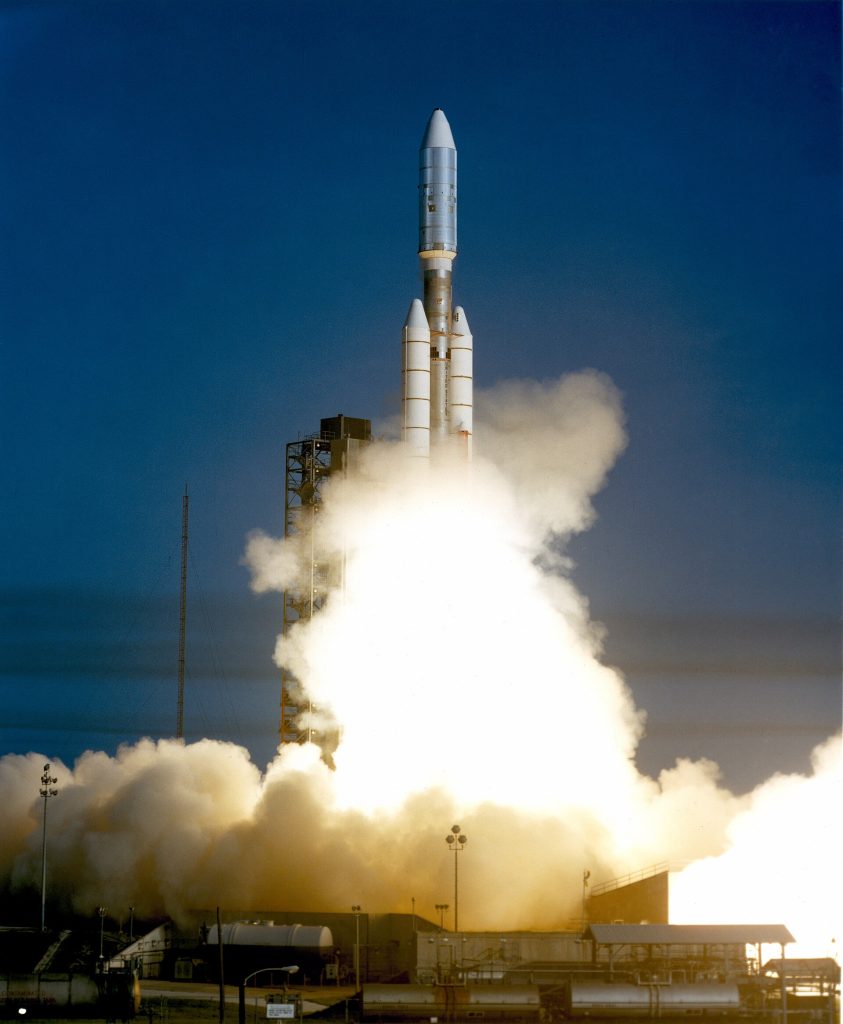
Voyager 1 launched on September 5th, 1977 for a grand tour of the giant planets, flying past Jupiter in 1979 and Saturn in 1980. It crossed the termination shock in December 2004 and, on August 25th, 2012, entered interstellar space, a crossing confirmed by plasma waves recorded in April 2013. A memory chip failure in November 2023 was worked around by a software rewrite in April 2024, and only two science instruments are still running.
Full written account
How do you know when a spacecraft has left the Sun's bubble, if the instrument meant to measure the plasma broke in 1980? Voyager 1, launched on September 5th, 1977, has been answering that question from almost 26 billion kilometers away, and it is the only human-made object to have left the heliosphere.
From the grand tour to the edge
Voyager 1's first job was a grand tour of the giant planets. It flew past Jupiter in 1979 and Saturn in 1980. With no more planets in its path, it kept going at about 17 kilometers every second. On Valentine's Day, 1990, from 6 billion kilometers away, it turned its camera around one last time. In that photo the entire Earth is smaller than a single pixel. The cameras were then switched off to save power, but the instruments that sense magnetic fields, count particles and listen to plasma waves stayed on.
The bubble and its boundary
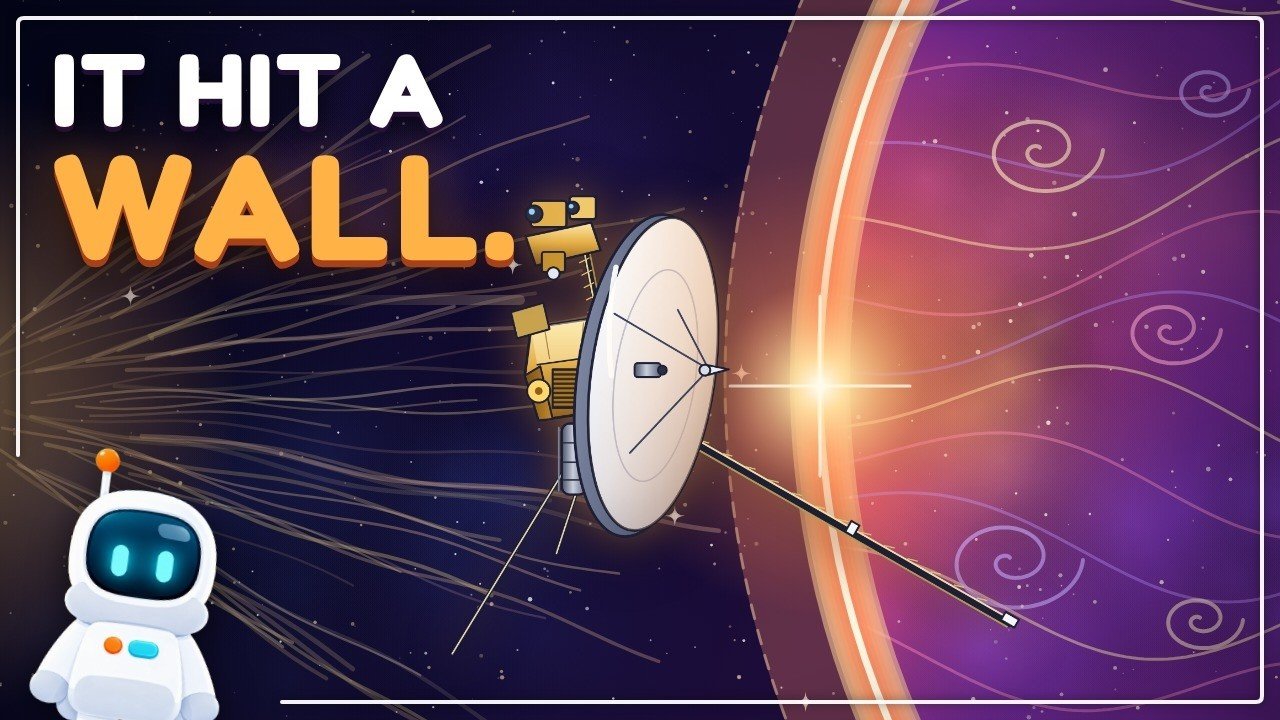
The Sun blows a wind of charged particles at around a million and a half kilometers per hour. It carries the Sun's magnetic field outward and inflates a bubble called the heliosphere. In December 2004, about 94 times farther from the Sun than Earth, Voyager 1 reached the termination shock, where the solar wind dropped from supersonic to subsonic speed. Beyond it lay the heliosheath, a turbulent zone where the slowed wind piles up. Voyager spent eight more years crossing it.
August 25th, 2012
On that day particles from the Sun almost completely vanished, and cosmic rays from deep in the galaxy shot up. But the plasma instrument had broken in 1980, and the magnetic field, which was expected to swing in a new direction, barely changed. Scientists argued for months about whether Voyager had left.
The ringing gas
In March 2012 the Sun threw out a huge eruption of plasma. Its shockwave traveled for 13 months and reached Voyager 1 in April 2013, making the surrounding gas ring. The plasma wave instrument picked up the vibration, and its pitch showed the gas was more than 40 times denser than anything measured inside the bubble. That density only made sense in interstellar space. Working backwards, the team traced the crossing to August 2012, at about 122 times the Earth-Sun distance.
What interstellar space is like
- The edge of the bubble, the heliopause, was sharper than many models predicted; the environment flipped in one day.
- The galactic magnetic field was almost lined up with the Sun's, rather than pointing in a different direction. This helped scientists realize the field drapes around the outside of the bubble.
- Shock waves from big solar eruptions reach the gas outside years later and make it vibrate again.
- In 2021 scientists found a faint, constant hum of the interstellar gas, noticed only after years of data were stacked. It lets Voyager measure the density of interstellar space continuously.
Voyager 2 crossed the heliopause in November 2018 on a different path and saw a boundary with differences in thickness and temperature.
An aging spacecraft
In November 2023 Voyager 1 began sending a repeating pattern of ones and zeros instead of data. Engineers spent months working out that a single memory chip had failed. Each message took almost a full day to arrive, and the reply another full day. In April 2024 they rewrote the software from 24 billion kilometers away, moving code around the broken chip, and Voyager 1 started talking again.
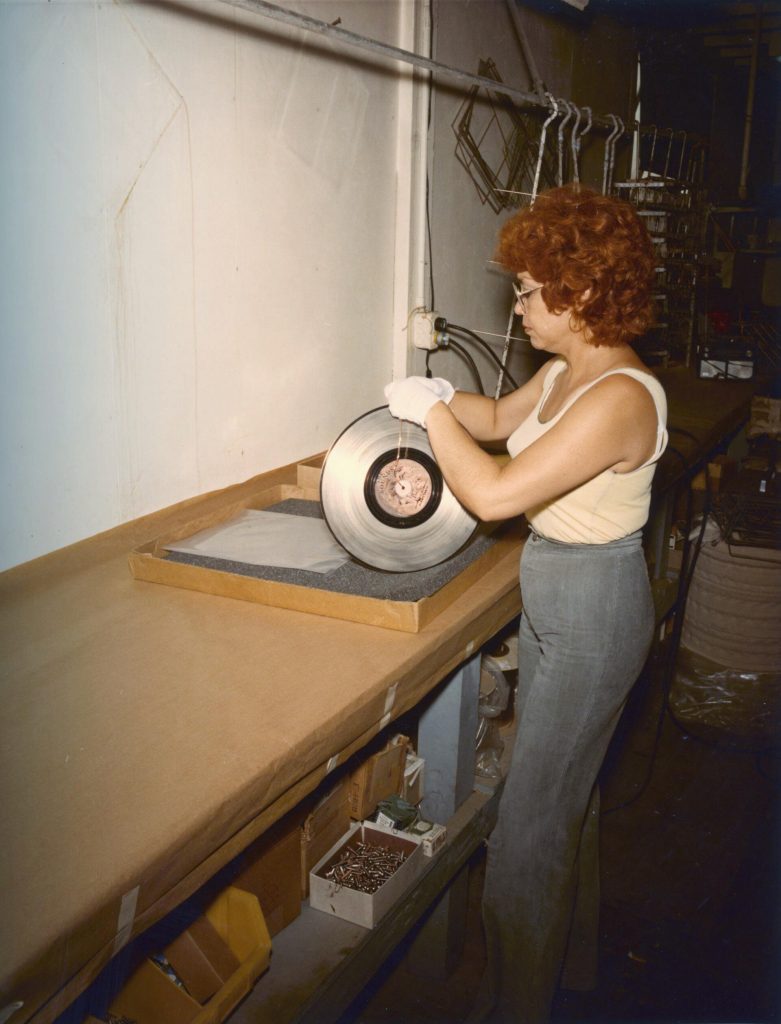
The plutonium heat source loses about 4 watts every year, so the team has been switching instruments off. Another was shut down in April 2026. Two science instruments remain, one for the magnetic field and one for plasma waves. On November 18th, 2026, Voyager 1 reaches one light day from Earth. Bolted to its side is a golden record with sounds and pictures from Earth.
Questions this video answers
When did Voyager 1 launch?
On September 5th, 1977.
When did Voyager 1 enter interstellar space?
Scientists traced the crossing to August 25th, 2012, at about 122 times the Earth-Sun distance.
How was the crossing confirmed?
A shockwave from a March 2012 solar eruption reached Voyager 1 in April 2013 and made the gas ring. The plasma wave instrument showed it was more than 40 times denser than anything measured inside the bubble.
What went wrong in November 2023?
Voyager 1 sent back a repeating pattern of ones and zeros. Engineers found a single memory chip had failed, and in April 2024 they rewrote the software to work around it.
Which instruments are still running?
Two science instruments: one measures the magnetic field and the other listens to plasma waves.
Explore related missions
Connected by the topic: Voyager and Grand Tour probes