How the ISS Works: Air, Cooling, Power and Debris Defence
The short version
A National Geographic Superstructures episode that takes the International Space Station apart system by system. It covers assembly from the Zarya and Unity modules, oxygen generation, the Whipple Shield, gyroscopes, solar power, ammonia cooling, water recycling and communications. It also describes a 2012 debris scare and a 2013 ammonia leak repair.
Full written account
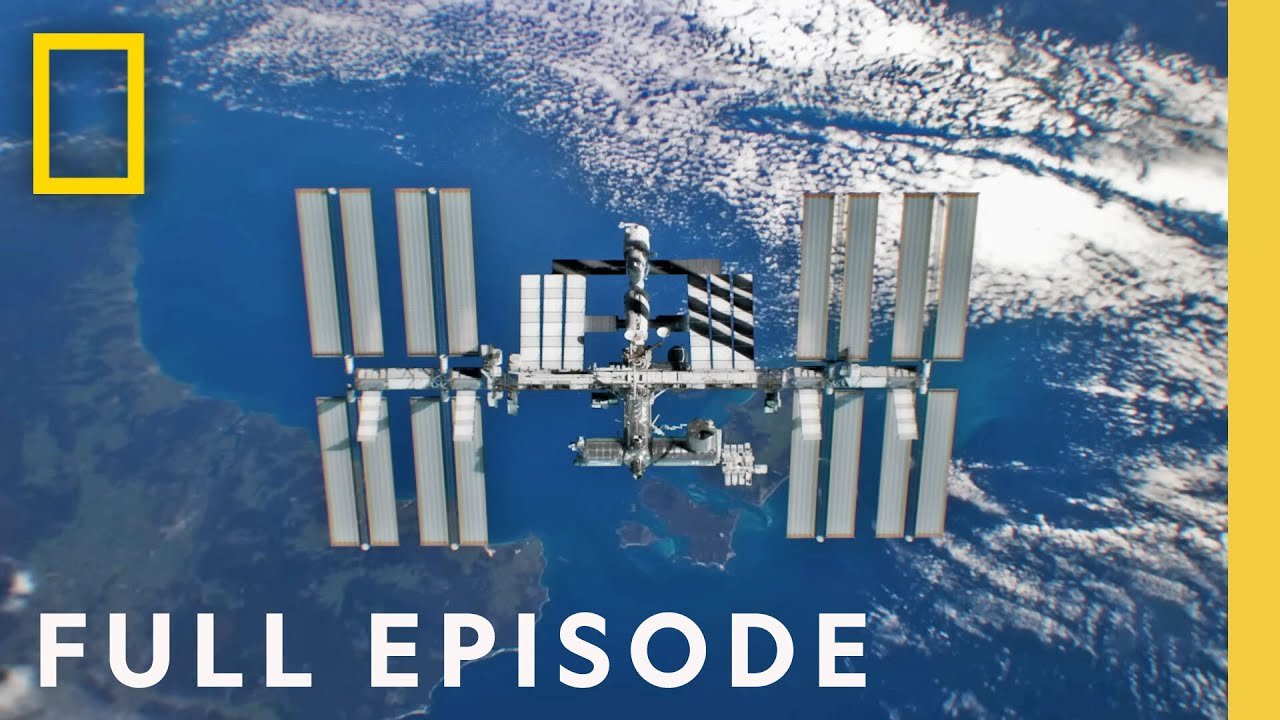
The International Space Station weighs 460 tons, the same as about 300 cars, and measures 357 by 240 ft. It is described as costing up to $150 billion, and it has to supply everything its crew needs to stay alive, from air to cooling, because there is none of it outside. National Geographic's Superstructures episode takes the station apart system by system.
Assembly in pieces
The station could not be launched whole, so it was built a piece at a time. The first flight launched in November 1998. The Russian module Zarya ("Sunrise") was joined by the first American module, Unity, carried in the cargo bay of Space Shuttle Endeavour. Unity chased Zarya at more than 177,000 mph.
Neither module was originally designed for the station, and their docking systems did not fit: the Russian hatches are round and the American hatches are square. Engineers built the pressurized mating adapter, or PMA, which accommodates both hatch shapes and has a precision docking ring. Latches on the inside of the ring pull the modules together. The crew reported capture of Zarya.
Completing the station took over 40 missions, with modules from NASA, Russia, Japan and Europe, including the European Columbus module. Sending a pound of weight up costs around $10,000. There are 16 pressurized modules, including six science labs, and Soyuz capsules serve as the station's lifeboats. The Russian segment's first module, which arrived in 1998, has been occupied continuously since.
Making air
The average adult breathes close to 4,000 gallons of air per day, and each astronaut needs 1.85 lbs of oxygen per day. Some oxygen is delivered from Earth and stored in tanks, but the station also makes it by passing electricity through water, splitting it into hydrogen and oxygen. In weightlessness the bubbles do not rise, so the mixture is spun in a centrifuge; the denser liquid goes to the outside and the gas is separated. The hydrogen is pumped into space. Capacity is 5 to 20 lbs of oxygen a day.
Debris and the Whipple Shield
The station travels at 26,000 km/h (17,500 mph) and orbits the Earth more than 5,500 times a year. An astronaut recalled finding a ding about 5/8 of an inch across in a window from a micrometeorite impact.
On March 23, 2012, Mission Control told the crew that a fragment of debris was heading for the station, with closest approach 11 minutes away. Closing every hatch takes about 45 minutes. The crew headed for their Soyuz spacecraft and began preparations for undocking. It was a near miss.
NASA has identified more than half a million orbiting objects that could threaten the hull. Against small debris the station uses the Whipple Shield: a thin aluminum outer wall under 1/10 of an inch thick, a blanket of woven material including Kevlar and Nextel, and another thin aluminum wall. The outer layer pulverizes an impact and the later layers break the fragments up further. Larger objects require moving the station. Objects in the red zone have a one in 10,000 chance of hitting the ISS, and the thrusters cost $110,000 per pound of propellant.
Gyroscopes, power and heat
To hold its orientation without propellant, the station uses four control moment gyroscopes mounted on a truss near its core. Each contains a flywheel spinning at 6,600 RPM; changing the speed or tilting the plane transfers momentum to the station.
Solar arrays, around half an acre each, are folded for launch and unfolded in orbit, and turn on gimbals to track the Sun. Together they generate 120 kW against a requirement of 75 to 90 kW. The station has generated its own power for over 177,000 hours.
Temperatures can swing between plus and minus 250°. Water in an external cooling loop would freeze, so water pipes pass through heat exchangers where ammonia pipes carry the heat to radiators outside. Ammonia stays liquid until -107° F but is toxic.
In May 2013 ammonia was seen leaking near a solar panel. Astronauts Chris Cassidy and Tom Marshburn went outside, attempted to replace the suspect pump, and returned after 5.5 hours unharmed. The ammonia valve was reported closing.
Recycling water and talking to Earth
The station recycles water, including vapor from breath and sweat collected in a condenser and urine. Urine is treated with chemicals, distilled and filtered. Engineers aim to recycle up to 90 or 95% of the water.
Radio waves cannot pass through the Earth, so loss of signal can last roughly 12 to 40 minutes or longer. High-orbit relay satellites now keep the delay under a second.
Looking ahead
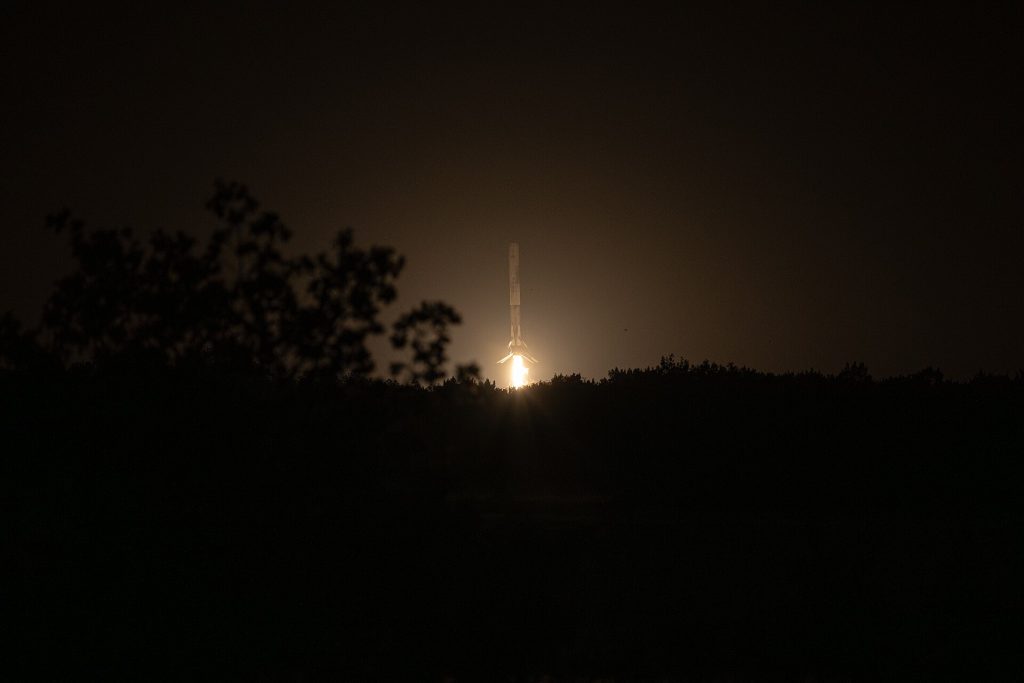
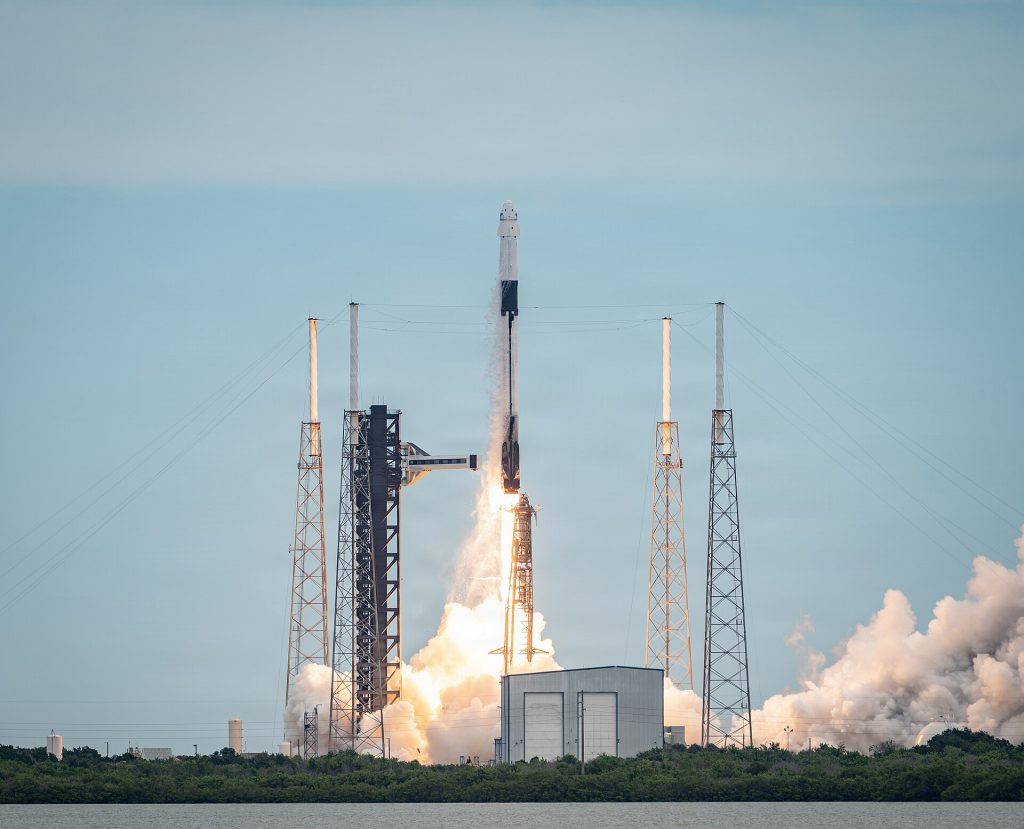
BEAM, an inflatable module carried on a Falcon 9, was attached to the station as the first human-rated expandable structure flown in space. Because it collapses, it needs a smaller launch vehicle. About 220 people have so far been to the station.
Questions this video answers
How did the ISS begin?
Zarya, the Russian module, and Unity, the first American module, which launched in the cargo bay of Space Shuttle Endeavour. The first flight launched in November 1998.
How does the ISS make its own air?
An oxygen generator about the size of a trash can splits water into hydrogen and oxygen with electricity. The hydrogen is pumped into space and the oxygen goes into the air supply.
How does the ISS protect itself from micrometeoroids?
Its outer skin is a Whipple Shield: thin aluminum layers with Kevlar and Nextel in between, which break up fragments before they can penetrate the hull.
How is the ISS reoriented without thrusters?
Four control moment gyroscopes, each with a flywheel spinning at 6,600 RPM, transfer momentum to the station and change its attitude without propellant.
Why does the ISS cooling system use ammonia?
Ammonia is used because it doesn't freeze until -107°F, so it keeps flowing through the radiators even when the ISS is behind Earth.