Starship Flights 1 to 14: How Build-Fly-Fail-Fix Reached Orbit
The short version
A retelling of Starship's build-fly-fail-fix test campaign, from the Starhopper hop and the SN prototypes through flights 1 to 14. It covers hot staging, the melting flap on flight 4, the first booster catch, the Version 2 failures and Raptor's full-flow staged combustion. The video says flight 14 on September 28, 2026 reached orbit for the first time and released 26 Starlink satellites.
Full written account
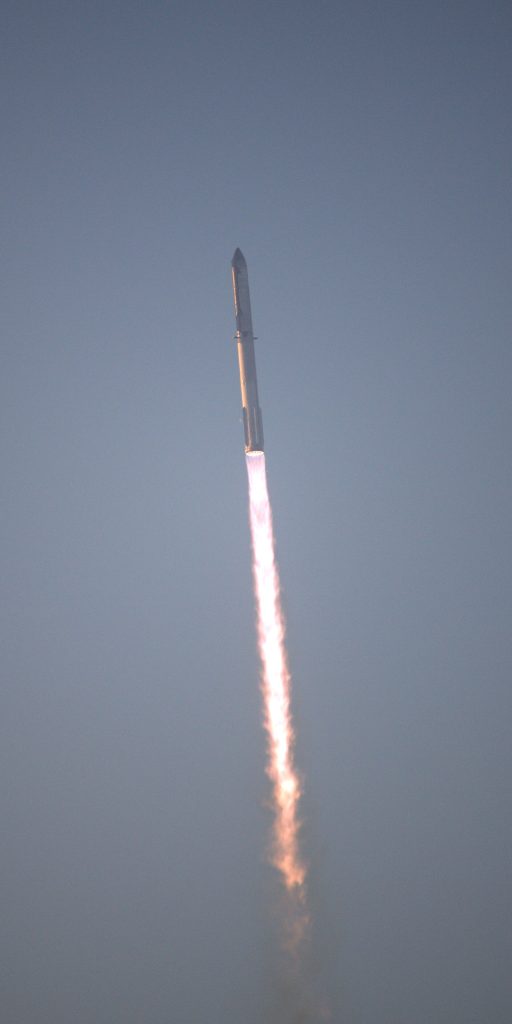
On April 20, 2023, the biggest rocket ever built lifted off from the coast of Texas. Four minutes later it was tumbling out of control and then blew apart, and SpaceX employees cheered. By September 2026, on its 14th flight, Starship reached orbit. The path between those two points was a deliberate series of failures.
A rocket built on a gamble
Starship is two rockets stacked: the Super Heavy booster with 33 Raptor engines, and the ship on top with six more. The stack is about 120 m tall and produces more than twice the thrust of the Saturn V at liftoff. The last rocket to try something similar, the Soviet N-1 moon rocket with 30 engines on its first stage, launched four times and failed four times. One of those failures, in July 1969, is considered one of the largest non-nuclear explosions in history. SpaceX bet that modern computers could shut down any misbehaving engine before it takes the others with it.
The goal is that both stages come back and fly again.
Two ways to build
The traditional route is to design for years, simulate everything, test each part on the ground and fly only when almost certain of success. NASA's Space Launch System was built that way. Its first flight, Artemis 1 in 2022, went almost perfectly, but NASA's inspector general estimated that each early Artemis launch would cost about $4 billion.
SpaceX chose to build fast and cheap, fly early and fix what fails. Starship is made of stainless steel, which is cheap and easy to weld, gets stronger at the freezing temperature of liquid oxygen and survives more heat than aluminum.
The prototypes
In August 2019 Starhopper, a stubby steel tank on legs with one Raptor engine, hopped about 150 m. In December 2020 SN8 climbed to about 12.5 km, flipped onto its belly and then flipped upright, but fuel pressure was too low and it exploded on landing. SN9 exploded too, SN10 landed and exploded minutes later, and SN11 blew apart in thick fog. In May 2021 SN15 flew, flipped and landed in one piece.
Flights 1 to 6
- Flight 1, April 2023: several engines failed, the booster never separated and the rocket was destroyed by its own safety system. The launch also dug a crater under the pad, so SpaceX built a steel plate that sprays water upward.
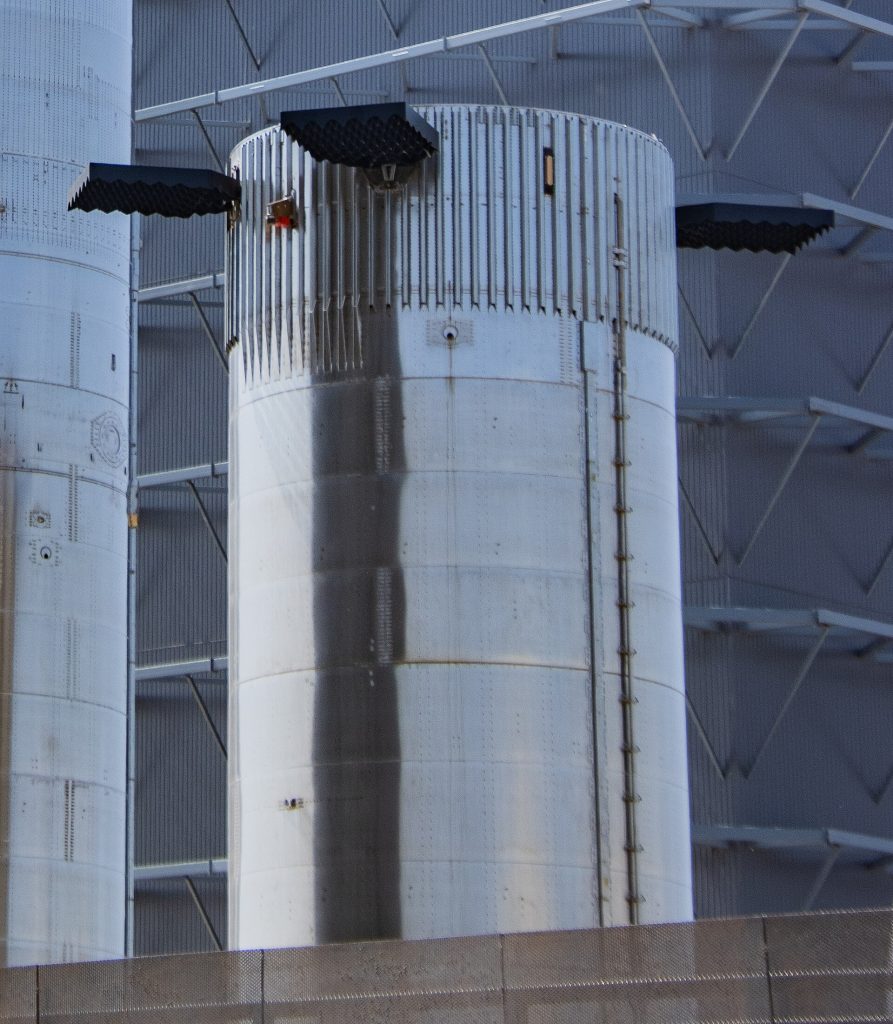
- Flight 2, November 2023: the first hot staging, with a vented ring added to the booster. The booster exploded soon after, and the ship was lost about 8 minutes in after reaching space.
- Flight 3, March 2024: the ship opened a payload door and moved propellant between tanks, but lost control on the way down.
- Flight 4, June 2024: heat burned through a steering flap on reentry, yet the flap kept working. The ship splashed down in the Indian Ocean and the booster landed softly in the Gulf of Mexico.
- Flight 5, October 2024: the launch tower's two arms, called chopsticks, caught the 70-m booster on the first try, 7 minutes after liftoff.
- Flight 6, November 2024: the booster catch was called off, but the ship relit an engine in space for the first time.
Version 2 and the turnaround
The upgraded Version 2 ship broke apart over the Caribbean on flight 7 in January 2025. The cause was a vibration much stronger than expected, which led to propellant leaks and fires in a cavity above the engines. Flight 8 in March lost the ship over the Bahamas. On flight 9 in May a booster flew for the second time, but leaks sent the ship spinning. In June 2025 a ship exploded on a test stand when a pressurized tank failed. Flights 10 in August and 11 in October worked, with dummy Starlink satellites released and a splashdown on target.
Version 3 and orbit
Version 3 uses Raptor 3, which burns liquid methane and liquid oxygen in full-flow staged combustion: fuel and oxygen each get their own preburner, and their hot gas spins the turbines before flowing into the main chamber. On flight 12 in May 2026 the booster was lost and the ship lost an engine but still splashed down in the Indian Ocean. Flight 13 in July released 20 Starlink satellites. On September 28, 2026, flight 14 reached orbit, released 26 Starlink satellites and splashed down in the Pacific.
After several failures the FAA required investigations before Starship could fly again. SpaceX still has to catch the ship itself and refuel it in orbit, which no one has done. NASA picked Starship to land its next astronauts on the Moon, and each landing will need many tanker flights first.
Questions this video answers
Why did SpaceX employees cheer when Starship exploded in 2023?
The video says the explosion was part of SpaceX's plan: its approach is to fly early, find out what fails, fix it and fly again.
Why is Starship made of stainless steel?
The video says steel is cheap, easy to weld, gets stronger at the freezing temperature of liquid oxygen and survives more heat than aluminum.
What happened on Starship flight 14?
On September 28, 2026 the ship reached orbit for the first time, released 26 Starlink satellites, flew around the planet and made a controlled splashdown in the Pacific Ocean.
What is hot staging?
The ship lights its engines while still attached to the booster. It saves seconds but blasts the booster with fire, so SpaceX added a vented steel ring on top of the booster.
What does SpaceX still have to do?
Catch the ship itself and refuel it in orbit by pumping propellant from one Starship into another, which no one has done.
Explore related missions
Connected by the topic: Starship