Apollo Program: From Kennedy’s Deadline to Apollo 17
The short version
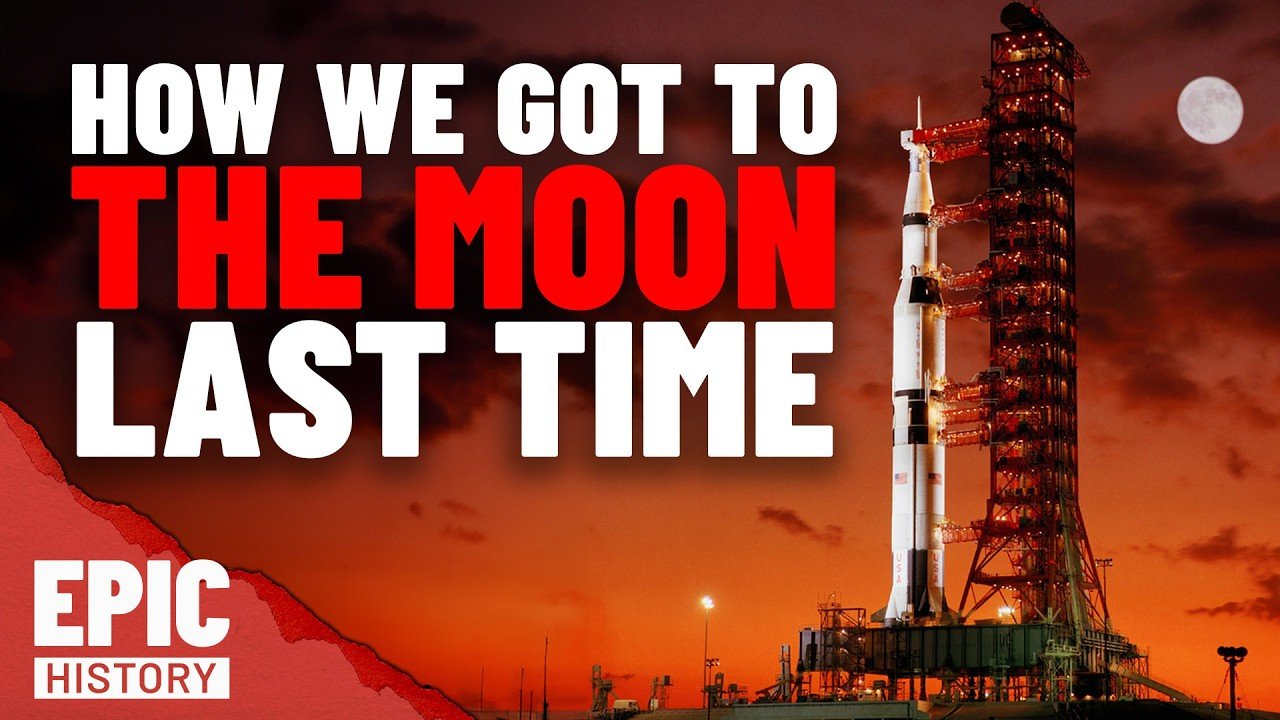
An overview of NASA's Apollo Program, from Kennedy's goal of a lunar landing and the choice of lunar orbit rendezvous through the Apollo 1 fire, Apollo 7 to 11, and the missions through Apollo 17. It covers Apollo 12's lightning strike, the Apollo 13 oxygen tank explosion and the final three science-focused flights.
Full written account
In 1961, with the United States having just fifteen minutes of human spaceflight experience, President John F. Kennedy committed the nation to landing a man on the Moon and returning him safely before the decade was out. The effort became the Apollo Program, marked by heroism and tragedy.
Choosing how to go
Werner von Braun, NASA's top rocket scientist and first director of the Marshall Space Flight Centre from 1960, favoured launching a spacecraft in pieces and assembling it in Earth orbit. NASA engineer John Houbolt proposed another option, initially considered far too dangerous by senior engineers: two spacecraft joined together. A command and service module would carry three astronauts, while a lunar excursion module would land two of them on the Moon as the third stayed behind. Because the lunar module needed only equipment and fuel for landing, it could be small and light and launch on one smaller rocket. Von Braun endorsed the plan, which was high-risk because the astronauts would have no hope of rescue if docking went wrong.
Apollo 1
The Apollo 1 crew, Gus Grissom, Ed White and Roger Chaffee, were sealed in their Command Module for a dress rehearsal of the launch countdown when a fire killed all three. How it started was never determined, but it was most likely a spark from damaged wiring in the lower equipment bay. The cabin atmosphere was pure oxygen, and normally fire-resistant materials burst into flame. The heavy hatch was held by 6 large bolts and opened inwards, so it was sealed shut by the pressure inside.
The redesigned Block II spacecraft had fireproof wiring, non-flammable spacesuits, an oxygen-nitrogen mix at launch, and a single-piece hatch that could open in seven seconds.
Testing toward the Moon
- Apollo 7, with Wally Schirra, was the first crewed test of the new spacecraft and accomplished all its objectives.
- Apollo 8, sent around the Moon after a CIA report suggested the Soviets might do so, carried Frank Borman, Jim Lovell and Bill Anders on the first Saturn V crewed launch. Anders took the Earthrise photograph on the third orbit.
- Apollo 9, with Jim McDivitt and Rusty Schweickart, flew the Lunar Module "Spider" more than 100 miles from the Command Module and returned for a safe rendezvous.
- Apollo 10 flew the Lunar Module to within nine miles of the surface, everything except the final descent. NASA also needed to learn about the Moon's mascons, discovered in 1968.
Apollo 11
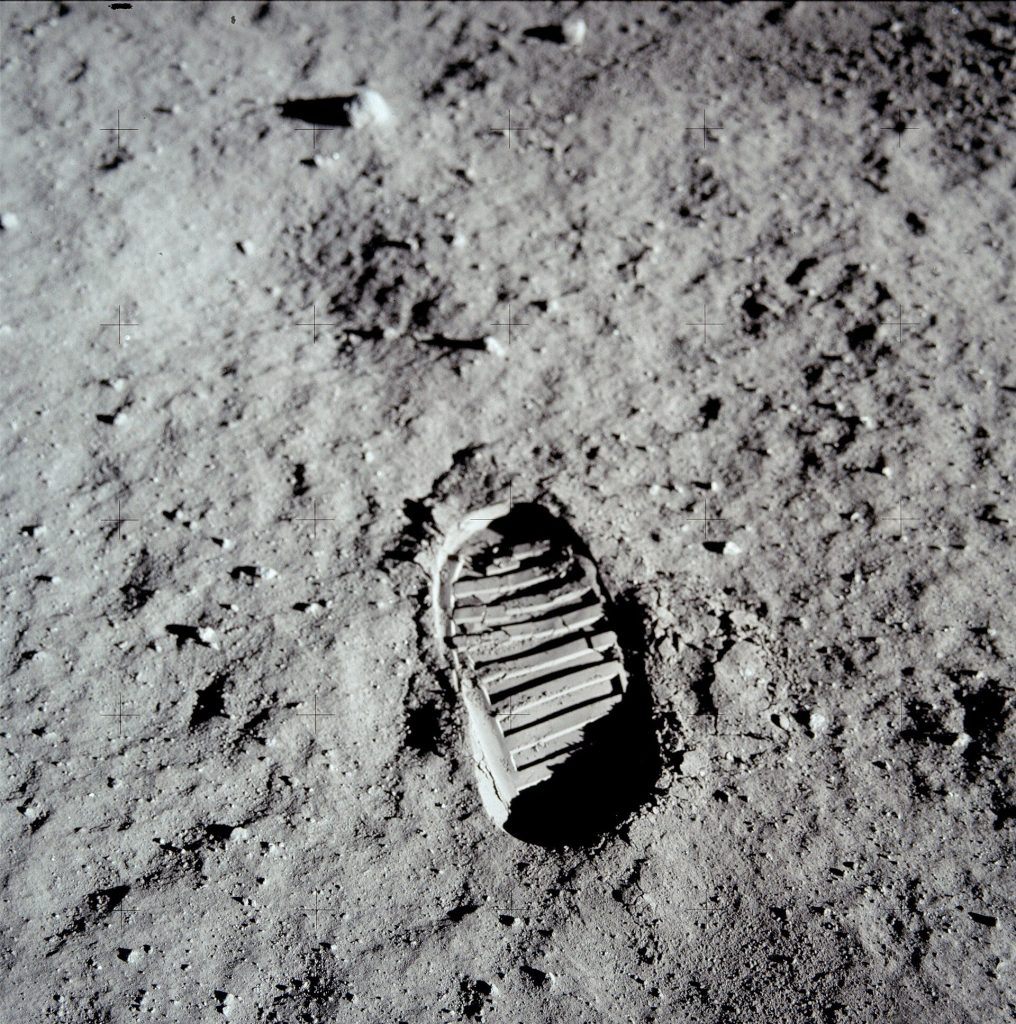
Neil Armstrong, Buzz Aldrin and Michael Collins launched on 16 July 1969 as Armstrong and Aldrin descended in Eagle on 20 July. A 1202 program alarm showed the guidance computer was overloaded. Guidance officer Steve Bales, 26, judged the landing could continue while the alarm was intermittent. Eagle then overshot its site toward a football-stadium-sized crater and boulders, and with fuel nearly out Armstrong took manual control. About 600 million people watched, and the moonwalk lasted two hours and forty minutes.
Apollo 12 and 13
Apollo 12 was struck by lightning twice at launch, shutting down the fuel cells and knocking out guidance. Flight controller John Aaron relayed the instruction "SCE to Auxiliary", and Alan Bean switched to backup electronics. The crew then landed about 600 feet from the Surveyor 3 probe.
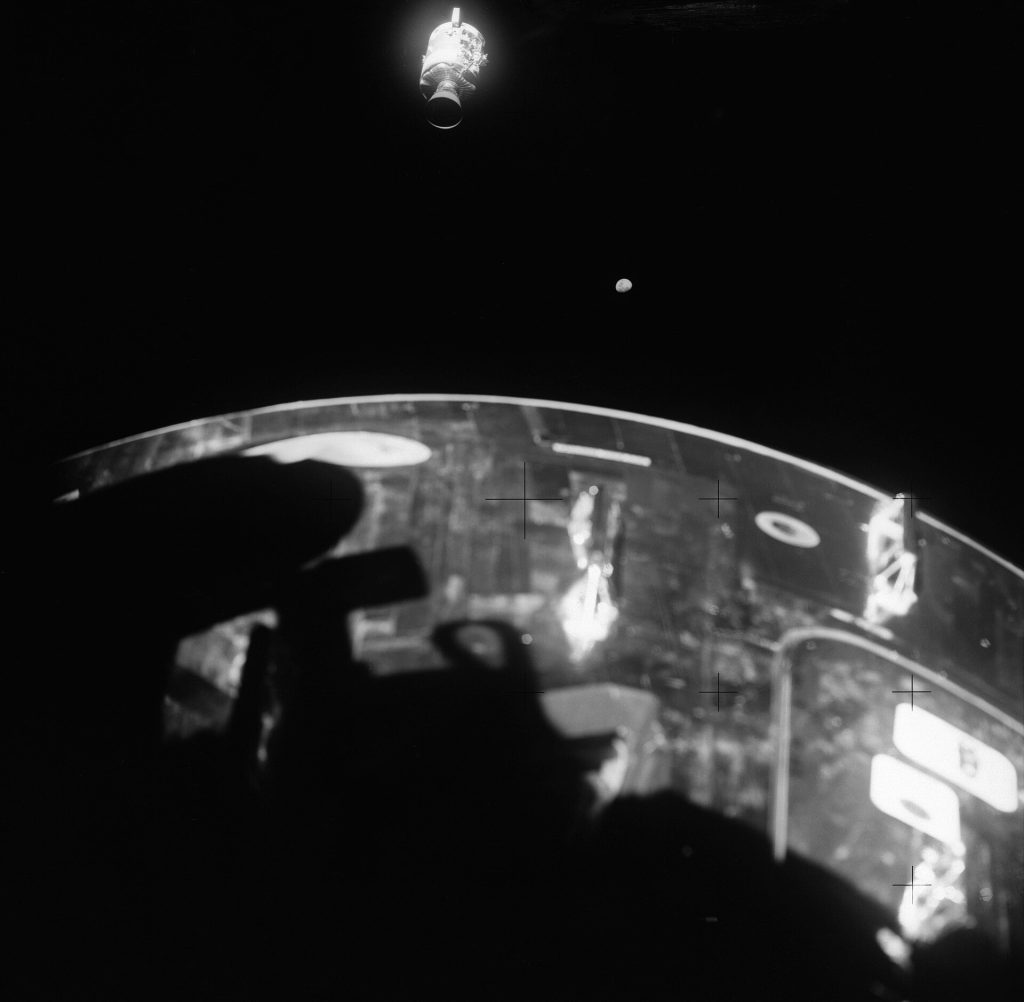
On Apollo 13, Ken Mattingly was grounded two days before launch after exposure to German Measles and replaced by Jack Swigert. A heater in oxygen tank number two had been left on in a ground test, baking it above 500°C and damaging wire insulation. When Swigert turned on the fan, current arced and started a fire, and the tank burst. Lovell, Haise and Swigert used the lunar module Aquarius as a lifeboat, and built an air purifier from a canister, cardboard, tape and a sock. Communication returned after six minutes in re-entry, and all three came home.
The final missions
Apollo 14, commanded by Alan Shepard, overcame a docking problem, a computer abort signal and landing radar failure. The last three missions carried a lunar rover and longer moonwalks. Apollo 15 found anorthosite 4.5 billion years old. Apollo 17, the only night launch of a Saturn V, flew on 7 December 1972; Gene Cernan and geologist Harrison Schmitt spent 22 hours walking on the Moon and travelled 19 miles.
Questions this video answers
What happened to Apollo 1?
A fire during a launch-countdown rehearsal killed Gus Grissom, Ed White and Roger Chaffee. How it started was never determined; most likely a spark from damaged wiring in the lower equipment bay.
When did Apollo 11 land on the Moon?
Apollo 11 landed on the Moon on 20 July 1969 with Neil Armstrong and Buzz Aldrin; Michael Collins stayed in the Command Module.
What went wrong on Apollo 13?
An arcing fire started when the fan in oxygen tank number two was switched on; the tank was damaged by a heater left on during a ground test. The crew used the lunar module Aquarius as a lifeboat and returned safely.
Which was the last Apollo Moon mission?
Apollo 17 in December 1972, commanded by Gene Cernan, was the final flight to the Moon in the program.