Charlie Duke on Apollo 16: Launch, Landing Scare and Moonwalks
The short version
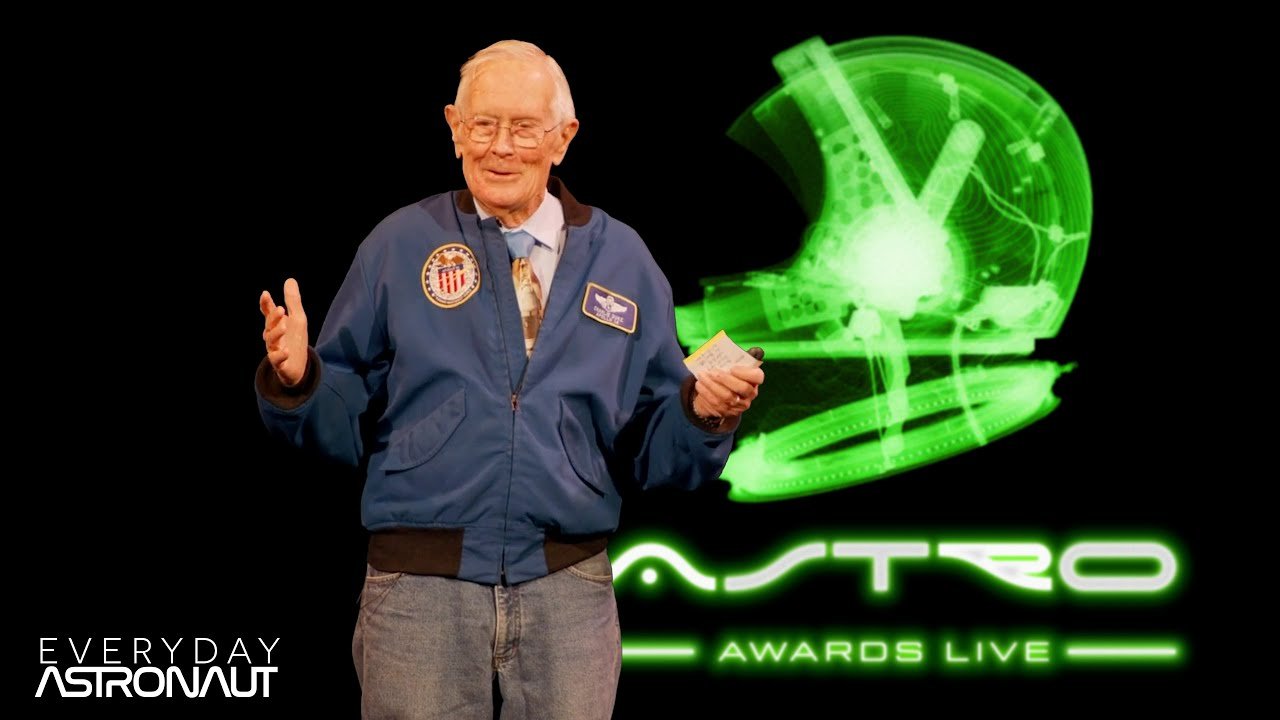
Apollo 16 Lunar Module Pilot Charlie Duke gave this keynote at the 2nd Annual Astro Awards on January 26, 2025, recalling his career, the Saturn V launch, a control-system problem that nearly cancelled the landing, three moonwalks in the Descartes Highlands, and the splashdown. He also answers questions about the lunar module ladder and a fall during the 'moon Olympics', and receives a Lunar Legacy Award.
Full written account
Charles Duke, Apollo 16 Lunar Module Pilot, was 36 when he walked on the Moon in 1972, the youngest person to do so. In a keynote at the 2nd Annual Astro Awards on January 26, 2025, he recounted the flight with John Young and Ken Mattingly, from a shaking Saturn V liftoff to a splashdown in the South Pacific.
Launch
Duke had trained for two years with John Young after delays. Strapped in with the windows covered, he kept thinking only about the count: "Keep counting. I don't want to abort." The crew had a four-hour window. At T-minus 8 seconds the engines lit and the vehicle shook from side to side, which Duke says he had not been told to expect. Young, on his second Saturn V flight, said "We're go, Houston." It took 8 seconds to clear the tower. In the first stage burn they reached about 35 miles of altitude and burned 4 million pounds of fuel, accelerating at four and a half times gravity before shutdown dropped them to zero, which Duke says was called the "train wreck". The Saturn V stood 363 feet tall and produced 7.5 million pounds of thrust in the first stage.
The problem before landing
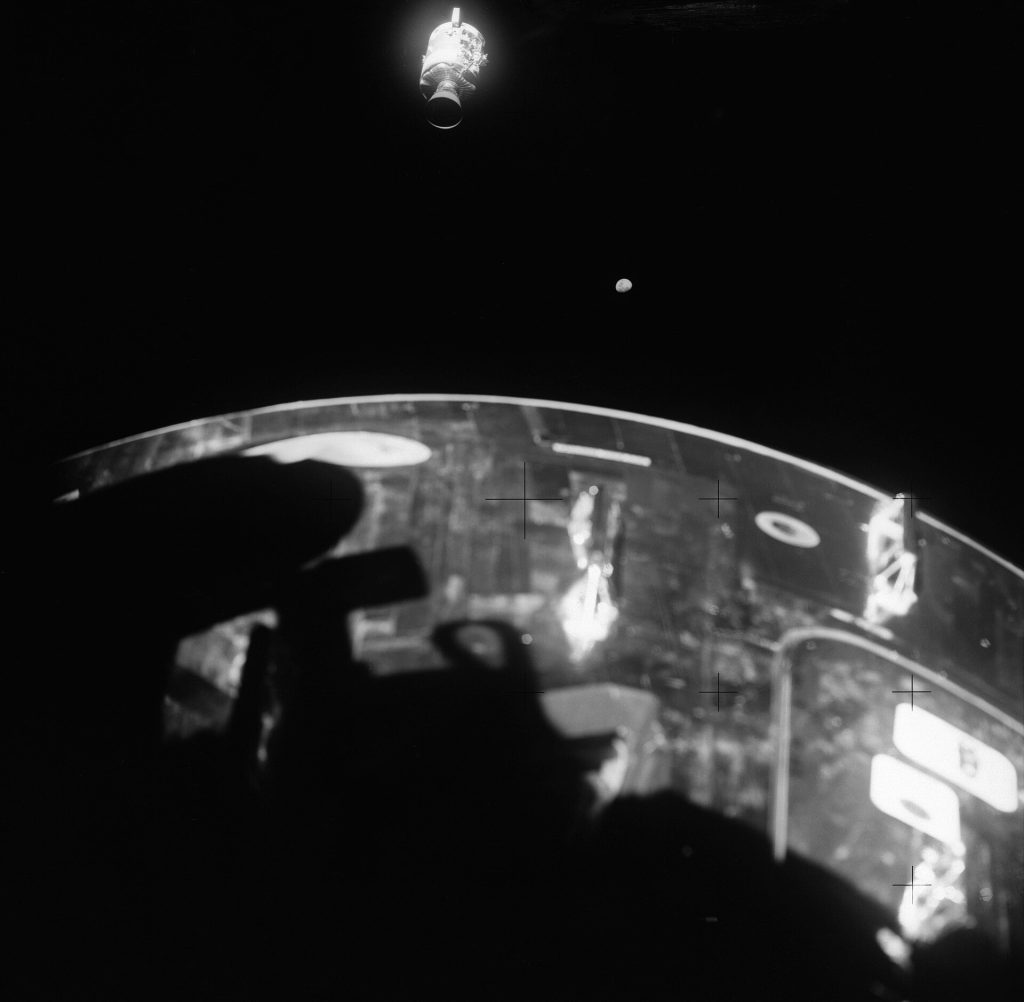
The crew orbited Earth one and a half times, then reignited the third stage to leave Earth orbit. Mattingly retrieved the lunar module, and the trip to the Moon took three days, 72 hours. About an hour before landing, Mattingly tried to light the main engine to change his orbit from about 60 by 8 miles to a 60-mile circular orbit. Something was wrong with the control system, and Young said "Don't burn." The landing looked to be off.
Mission control worked on it over two orbits. On the second, they said they could not fix the problem but had a workaround. Flight director Jerry Griffin gave the go for landing on the next revolution. Duke says the Moon was rotating out from under them and a delay of three revolutions would have meant missing the landing site. He calls mission control the heroes of Apollo.
On the surface
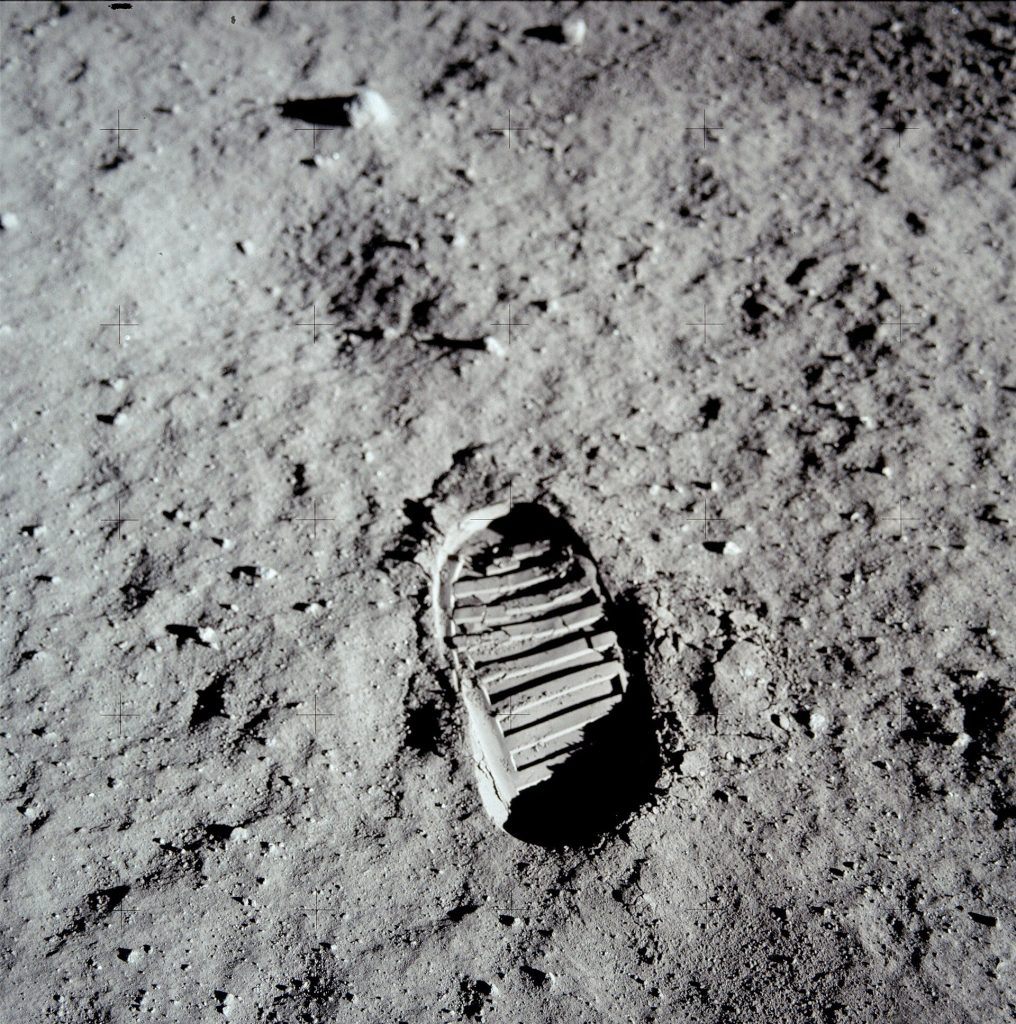
Apollo 16 landed in the Descartes Highlands, which Duke says sat 8,000 feet higher than the Apollo 11 site. Young picked a spot after redesignating a couple of times, and they touched down dead level. The crew made three EVAs, the longest almost eight hours, deployed a telescope for the US Naval Observatory and set out an Apollo Lunar Surface Experiments Package of five experiments. They navigated using shadows, since the Moon has no magnetic field, with a gyro on the rover. They collected about 260 pounds of samples, and a 10-foot drill hole stayed loose soil to the bottom.
Duke accidentally pulled off part of the right rear fender of the rover, and dust poured down on them. He left a family photo on the surface, which he says is now a black spot after more than 50 years.
Moon Olympics
Before getting back in, they planned a "moon Olympics". Duke jumped, straightened up, and his center of gravity went backwards. He rolled right and landed on his back, his heart pounding. Instruments showed he was fine, and Young said it wasn't very smart. The TV camera had been pointed at him, and controllers told them to get back inside.
Return
On reentry the capsule hit the atmosphere at about 25,000 miles an hour. Duke says the autopilot rolled it to pull it back in. Under three parachutes Mattingly counted down altitude, and at 100 they hit the water. Duke needed more than 30 seconds to push in the circuit breaker so the parachutes could be jettisoned, and the capsule ended up inverted. Balloons flipped it upright in about five minutes, and the Navy picked them up and took them to the carrier Ticonderoga.
Asked about the hoax claim, Duke says the evidence is overwhelming and asks why anyone would fake it nine times. He also notes only four moonwalkers are still alive, and he is the only living member of his crew. The event gave him a Lunar Legacy Award for Apollo 16.
Questions this video answers
Why did the Apollo 16 landing nearly get cancelled?
While Mattingly tried to light the main engine to change orbit, something was wrong with the control system and John Young said 'Don't burn.' Mission control found a workaround, and flight director Jerry Griffin cleared them to land on the next revolution.
How much did the lunar rover weigh on the Moon?
Duke says the car weighed 80 lbs on the Moon.
Why did the lunar module ladder stop short of the surface?
Duke says the landing gear had crushable honeycomb in the legs that could stroke on a hard landing, so the ladder stopped about two to three feet above the surface to avoid being driven into the dirt.
What happened during the 'moon Olympics'?
Duke says that when he jumped, he straightened up, his center of gravity moved backwards and he fell, rolling right onto his back. He was unhurt and controllers told them to get back inside.
Does Duke address the Moon landing hoax claim?
Yes. He says the evidence is overwhelming, citing images of the landing site showing the rover, descent stage and experiment package, and asks why anyone would fake it nine times.