Stranded in Orbit? Lifeboat Rule, Starliner and Rescue Ships

The short version
The video explains the lifeboat rule, under which at least one docked spacecraft must always be able to bring a station crew home. It walks through the Soyuz MS-22 coolant leak, Boeing's Starliner flight, the cracked Shenzhou-20 window, and rescue ships that stood ready for Skylab and Hubble. It also covers what long waits do to the body and why Sergei Krikalev was not truly stranded.
Full written account
Two NASA astronauts, Butch Wilmore and Sunni Williams, boarded Boeing's Starliner in June 2024 for a trip planned at about eight days. They returned 286 days later. Their case is one of several in which a station crew's ride home developed a problem, and it shows how the rule behind every such case works.
The lifeboat rule
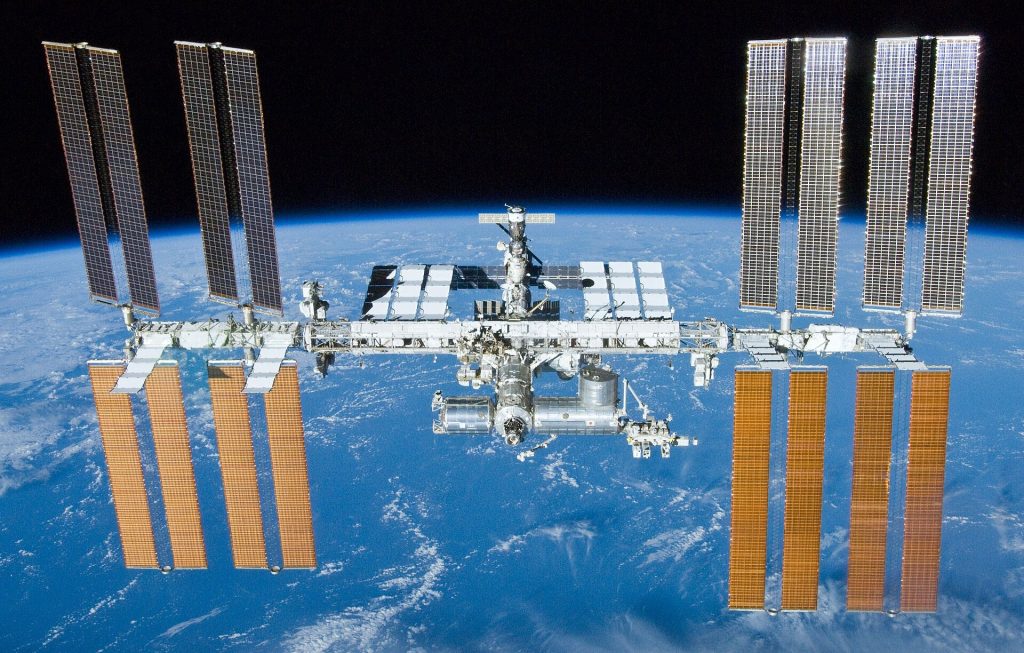
At least one spacecraft stays docked at the station in case an emergency evacuation is needed. Today that means Soyuz and Crew Dragon. The idea was proven on Apollo 13 in 1970, when an oxygen tank exploded and the crew survived inside their lunar module. It was built to keep two men alive for 2 days and carried three men for 4 days. A lifeboat has an expiry date, though: a Soyuz is cleared to stay docked for roughly 6 to 7 months, a Dragon about 7.
Soyuz MS-22
On December 14, 2022, pressure sensors on a docked Soyuz read low because its cooling loop was leaking into space. That ship was the way home for NASA's Frank Rubio and two cosmonauts. NASA said nobody was in danger, but without coolant the cabin could get too hot for three bodies. As a precaution, Rubio's custom-molded seat liner was carried across the station and fitted into a docked Dragon. In February, Russia launched an empty Soyuz as a replacement, and the damaged ship later came home empty. Officials concluded the most likely cause was a micrometeoroid. Rubio landed in September 2023 after 371 days, the longest single spaceflight by any American.
Starliner
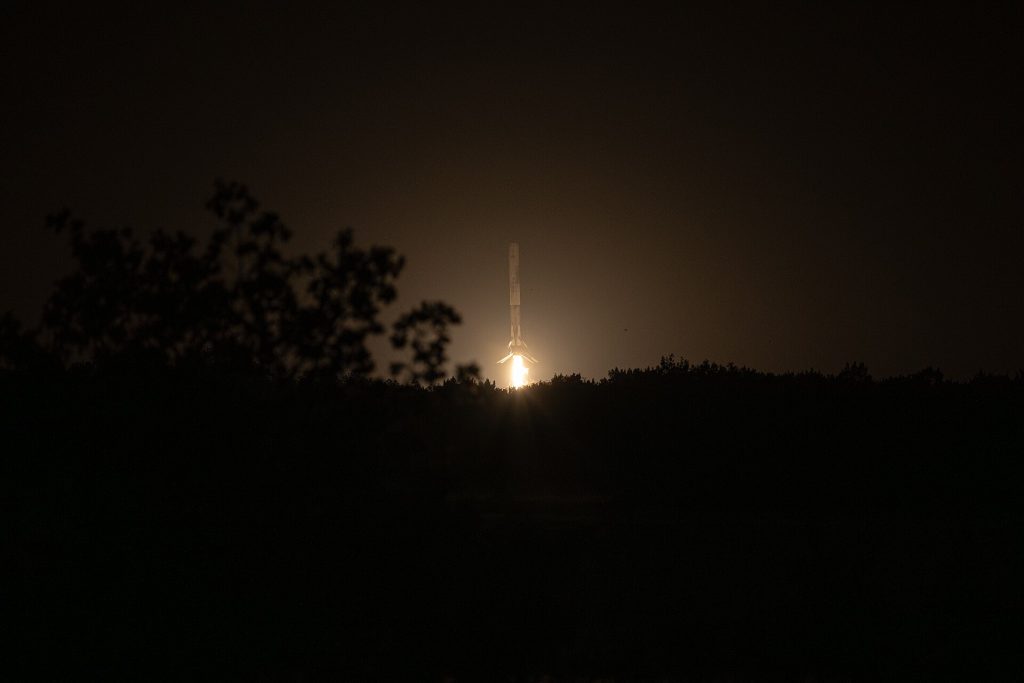
On approach to the station, some Starliner thrusters did not perform as expected, and NASA counted five small helium leaks. Control came back and the ship docked. After weeks of testing, NASA decided on August 24 that Starliner would return with no one inside. For months the emergency plan was a Dragon already docked, with temporary seats on its cargo pallets. The next crew flight was cut from four people to two, and two seats flew up empty. Splashdown came on March 18, 2025, after 286 days and more than 121 million miles, about 36 times longer than planned. In February 2026 NASA reclassified the flight as a Type A mishap, its highest level, because the ship lost maneuverability on the way in.
Shenzhou-20
In November 2025 the Shenzhou-20 crew was about to leave Tiangong when the return was called off over tiny cracks in their capsule's window, most probably from space debris. Nine days later China announced the ship did not meet the requirements for a safe return, and the crew went home in the ship that had brought their replacements. For 11 days the new crew's only lifeboat was the one with the cracked window. Since Shenzhou-12, every Chinese mission has been paired with a standby ship and rocket, called rolling backup. Shenzhou-22 launched uncrewed on November 25, 20 days after the problem, and the damaged capsule came back empty in January.
Rescue ships on the pad
Questions this video answers
What is the lifeboat rule?
At least one spacecraft stays docked at the station in case an emergency evacuation is needed. Today that means Soyuz and Crew Dragon.
How long can a lifeboat stay docked?
A Soyuz is cleared for roughly 6 to 7 months and a Dragon for about 7, after which it has to be replaced.
How long did the Starliner astronauts stay in space?
Butch Wilmore and Sunni Williams flew for 286 days instead of about 8. They splashed down off Florida on March 18, 2025.
Was Sergei Krikalev really stranded?
No. A Soyuz was docked the entire time. He flew in May 1991 and came home in March 1992 after about 311 days.
Has any crew been left in orbit with no way back?
As far as the public record shows, in 65 years of human spaceflight no crew has been left in orbit with no way back.
Explore related missions
Connected by the topic: International Space Station