Starship test flights
Starship flights 1 to 14, and the ship catch to come
Thirty-three engines on the booster, six on the ship, fourteen flights. Starship went from a pad-destroying debut in April 2023 to orbit and 26 Starlink V3 satellites on 28 September 2026. This is what each flight tested, what broke, the videos to watch in order, and what the planned ship catch on Flight 15 would add. SpaceX has not published a launch date.
The viewing path
A suggested order, not a chronological timeline.
10 videos
-
2023Starship Flight 1
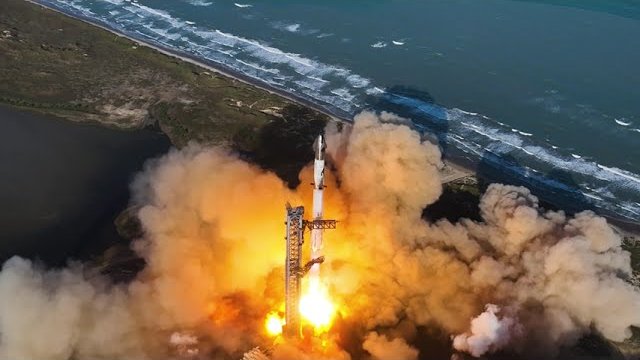
S24 and Super Heavy B7 Lift Off from Starbase
Why it belongs
Where it starts. Flight 1, 20 April 2023: the stack clears the pad, loses engines, tumbles, and the flight termination system is commanded at about 39 km.
Play: Starship Flight 1: S24 and Super Heavy B7 Lift Off from Starbase Read & explore: Starship Flight 1: S24 and Super Heavy B7 Lift Off from Starbase
-
2024Starship Flight 5
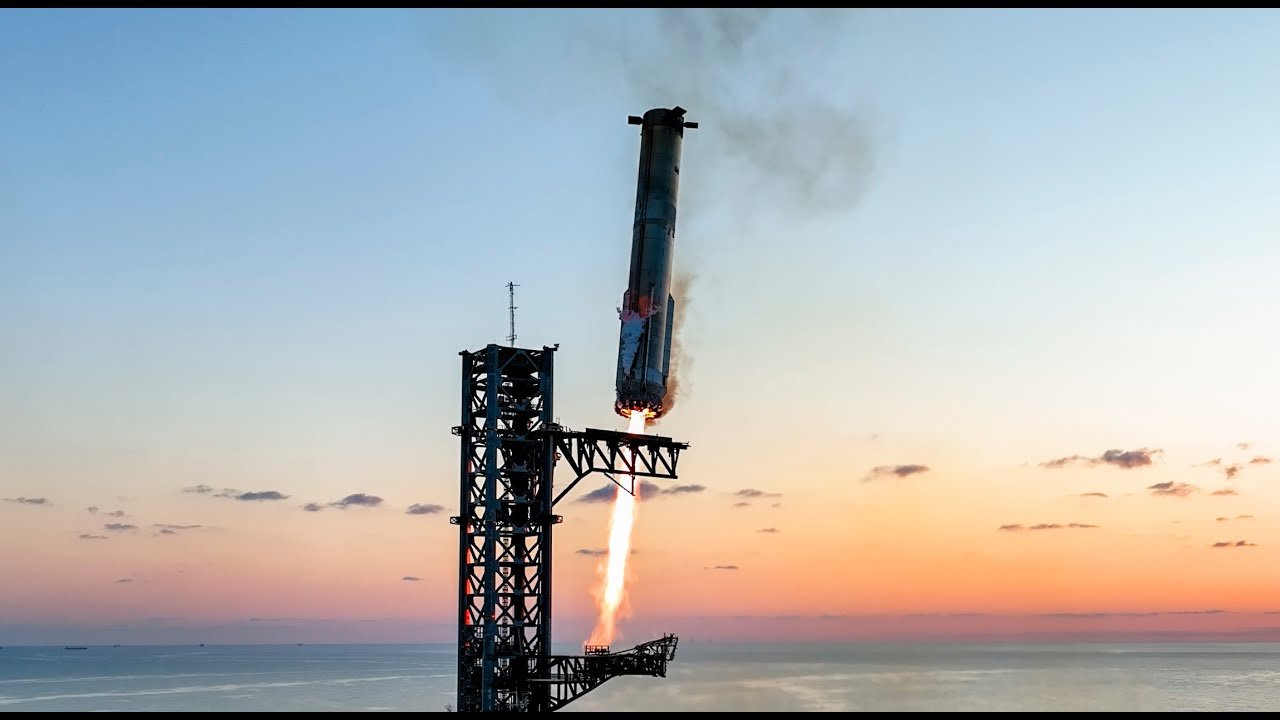
Super Heavy Booster Caught on First Attempt
Why it belongs
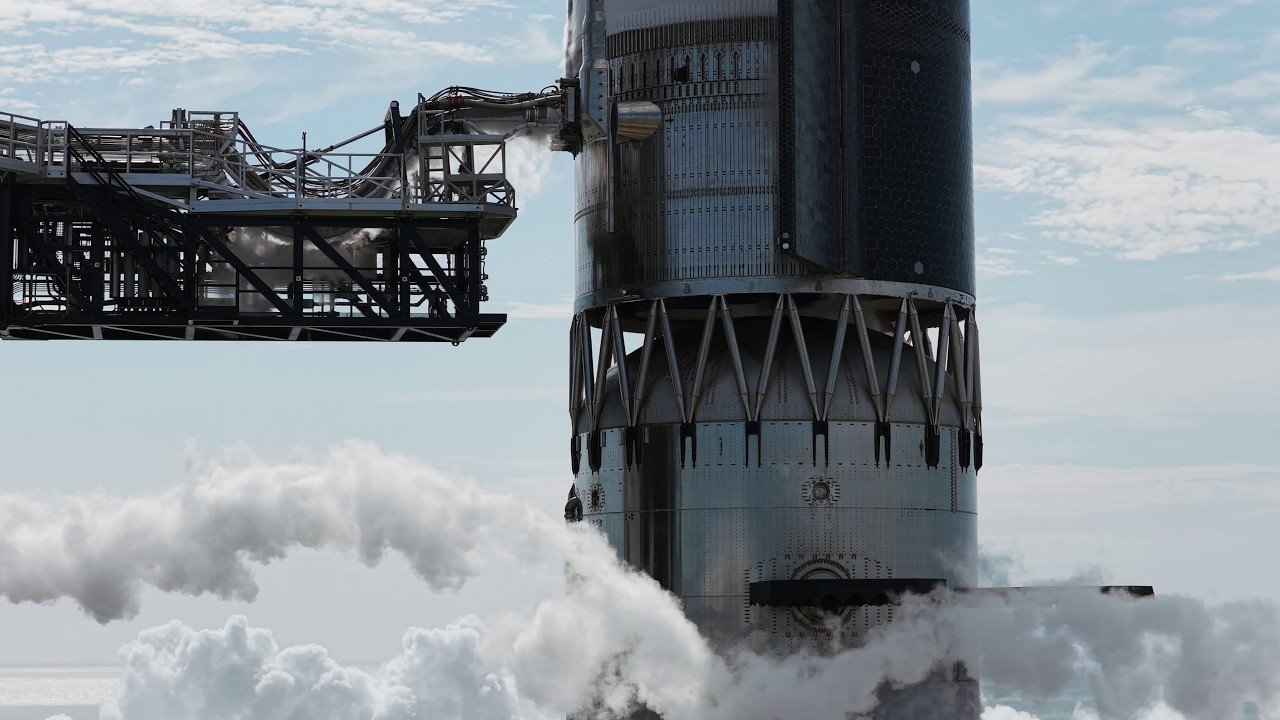
The tower catches the Super Heavy booster with its chopstick arms on the first attempt, 13 October 2024. The ship splashes down in the Indian Ocean.
Play: Starship Flight 5: Super Heavy Booster Caught on First Attempt Read & explore: Starship Flight 5: Super Heavy Booster Caught on First Attempt
-
2024Starship Flight 6
Engine Relight, Aborted Catch, Ship Splashdown
Why it belongs
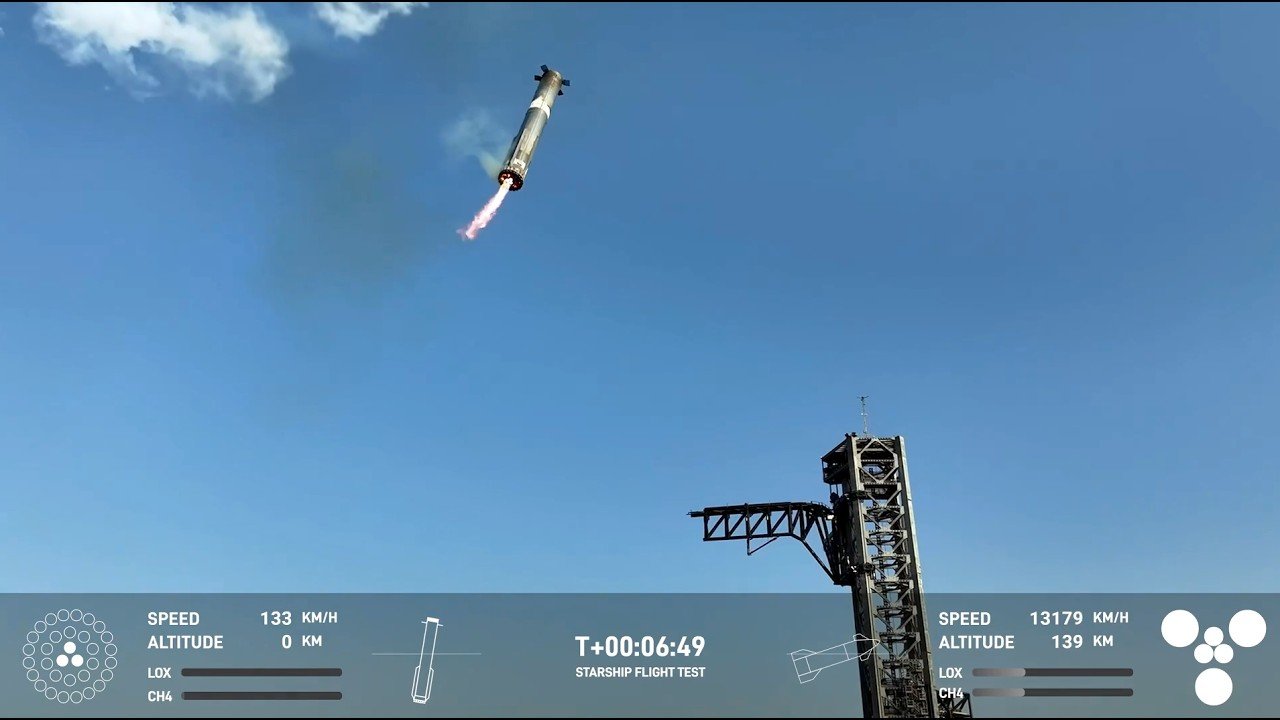
A Raptor relights in space and the ship splashes down, but the booster catch is called off after the tower's health checks fail and the booster lands in the Gulf.
Play: Starship Flight 6: Engine Relight, Aborted Catch, Ship Splashdown Read & explore: Starship Flight 6: Engine Relight, Aborted Catch, Ship Splashdown
-
2025Starship Flight 8
Booster Caught, Then the Ship Loses Engines
Why it belongs
Stands in for Flights 7 to 9, when each ship was lost. Here the booster is caught, then the ship loses engines and attitude control, and contact.
Play: Starship Flight 8: Booster Caught, Then the Ship Loses Engines Read & explore: Starship Flight 8: Booster Caught, Then the Ship Loses Engines
-
2025Starship Flight 10
Launch from Starbase and Objectives Met
Why it belongs
A clean run: SpaceX says every major objective was met, with a payload-deploy test and an in-space relight, on 26 August 2025.
Play: Starship Flight 10: Launch from Starbase and Objectives Met Read & explore: Starship Flight 10: Launch from Starbase and Objectives Met
-
Starship Flight 12
Inside the Final Days Before the First V3
Why it belongs
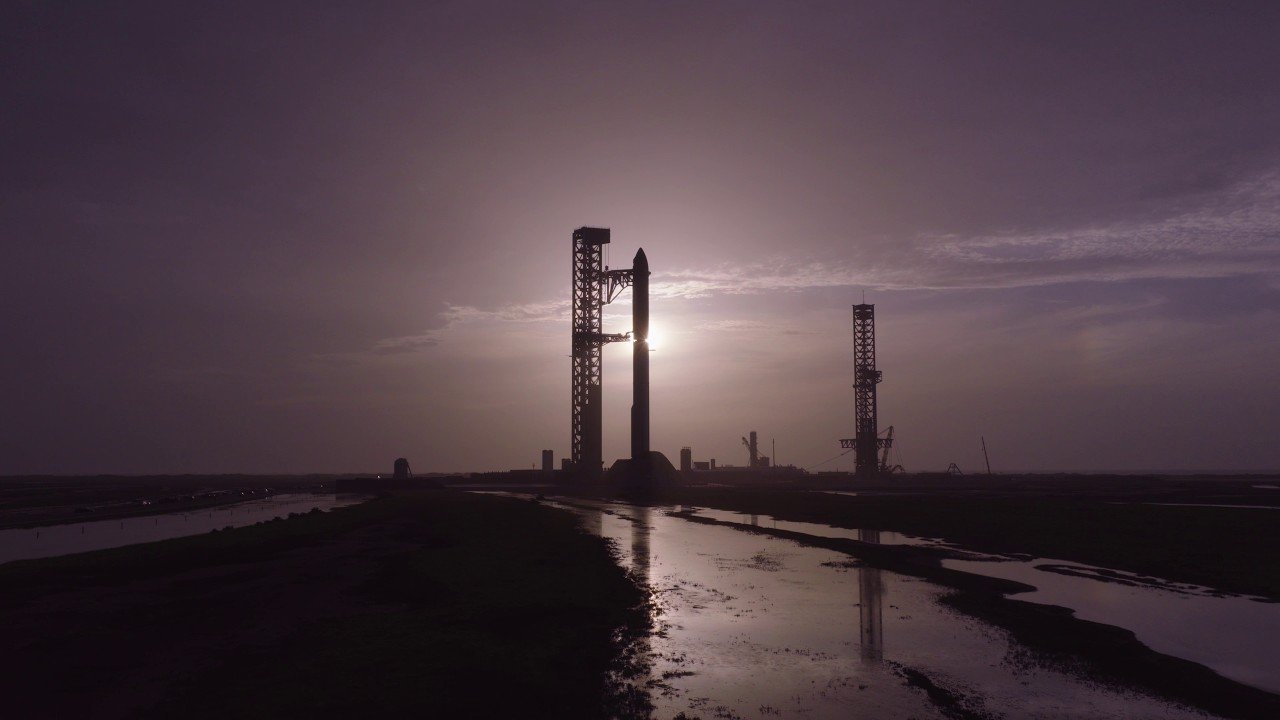
SpaceX's own film of the final days before the first Block 3 flight from Pad 2: a static fire aborted, a broken chopstick roller, a launch abort, then the flight the next day.
Play: Starship Flight 12: Inside the Final Days Before the First V3 Read & explore: Starship Flight 12: Inside the Final Days Before the First V3
-
Starship Ship 40: Towing a Floating Rocket Across the Indian Ocean
Why it belongs
After Flight 13 the ship stayed afloat in the Indian Ocean. SpaceX shows it being towed to Christmas Island and loaded onto a heavy-lift ship, plus the heat shield tiles.
Play: Starship Ship 40: Towing a Floating Rocket Across the Indian Ocean Read & explore: Starship Ship 40: Towing a Floating Rocket Across the Indian Ocean
-
2026Starship Flight 14
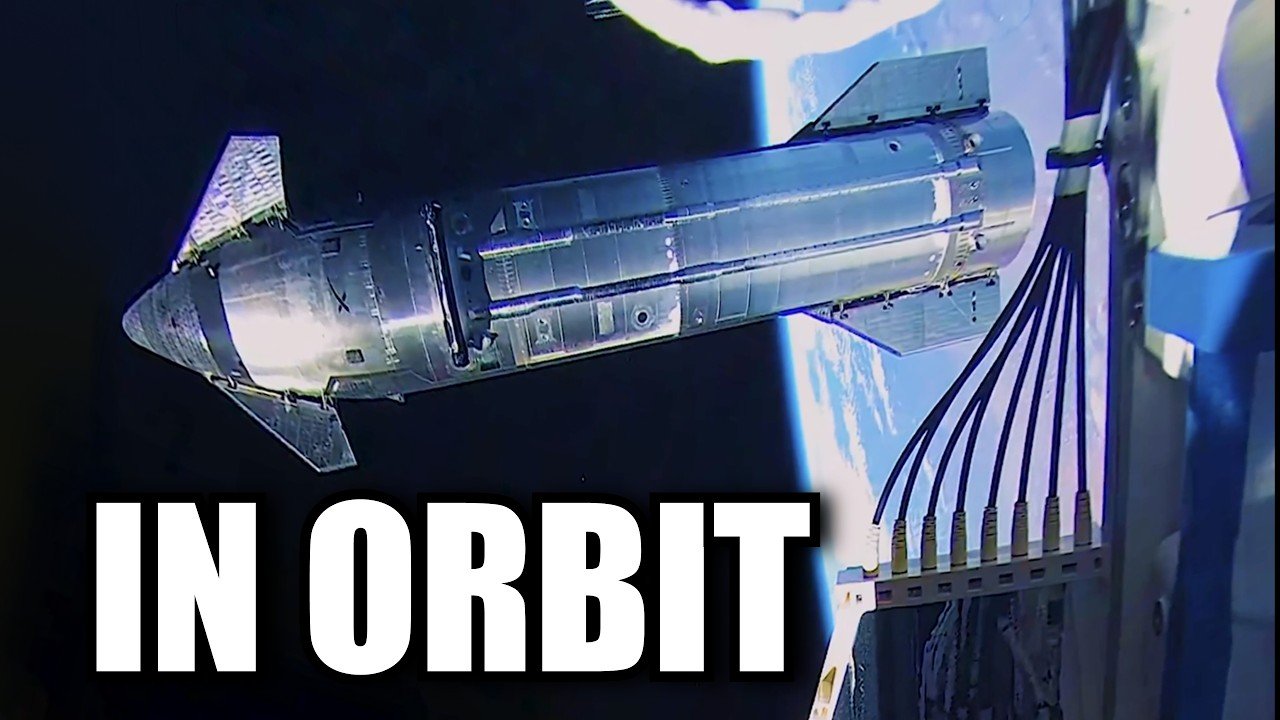
First Orbit, 26 Starlink V3s and an Early Return
Why it belongs
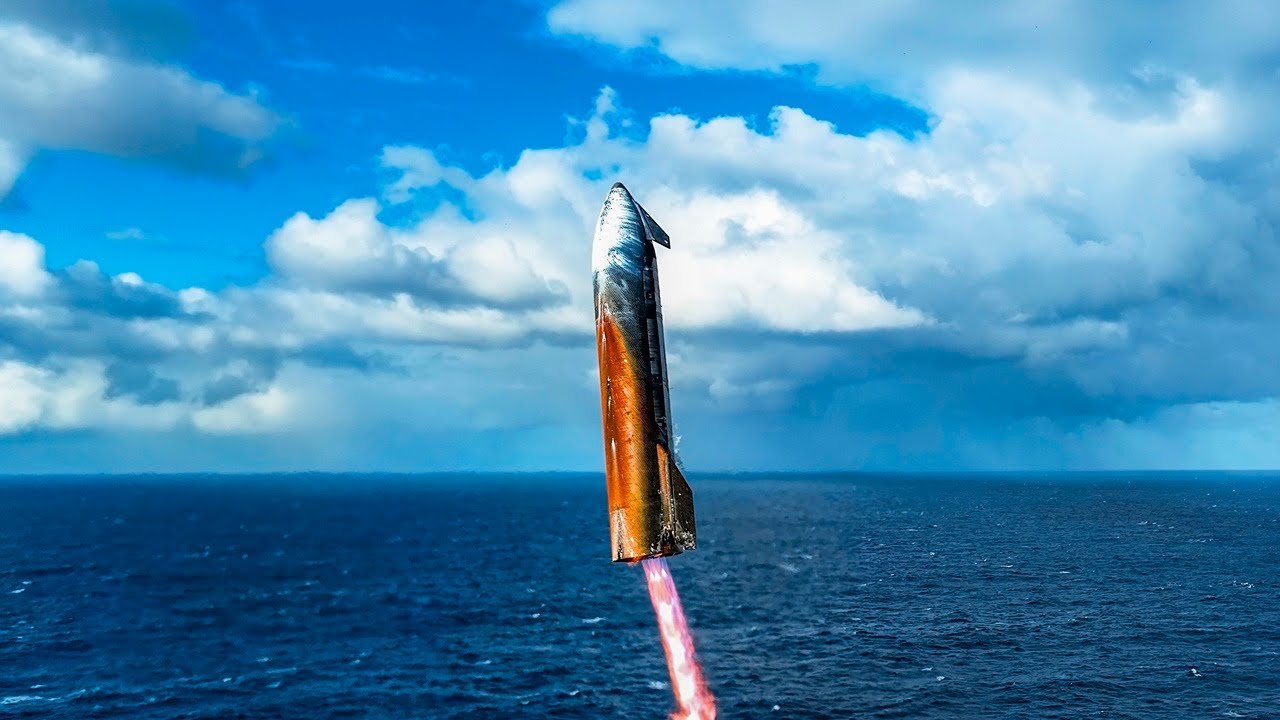
The flight that reached orbit. A vacuum engine failed on ascent, the team polled go for orbit, the 26 V3 satellites deployed in daylight and the flight was cut short.
Play: Starship Flight 14: First Orbit, 26 Starlink V3s and an Early Return Read & explore: Starship Flight 14: First Orbit, 26 Starlink V3s and an Early Return
-
Why Starship V3’s Super Heavy Booster Has Only Three Grid Fins
Why it belongs
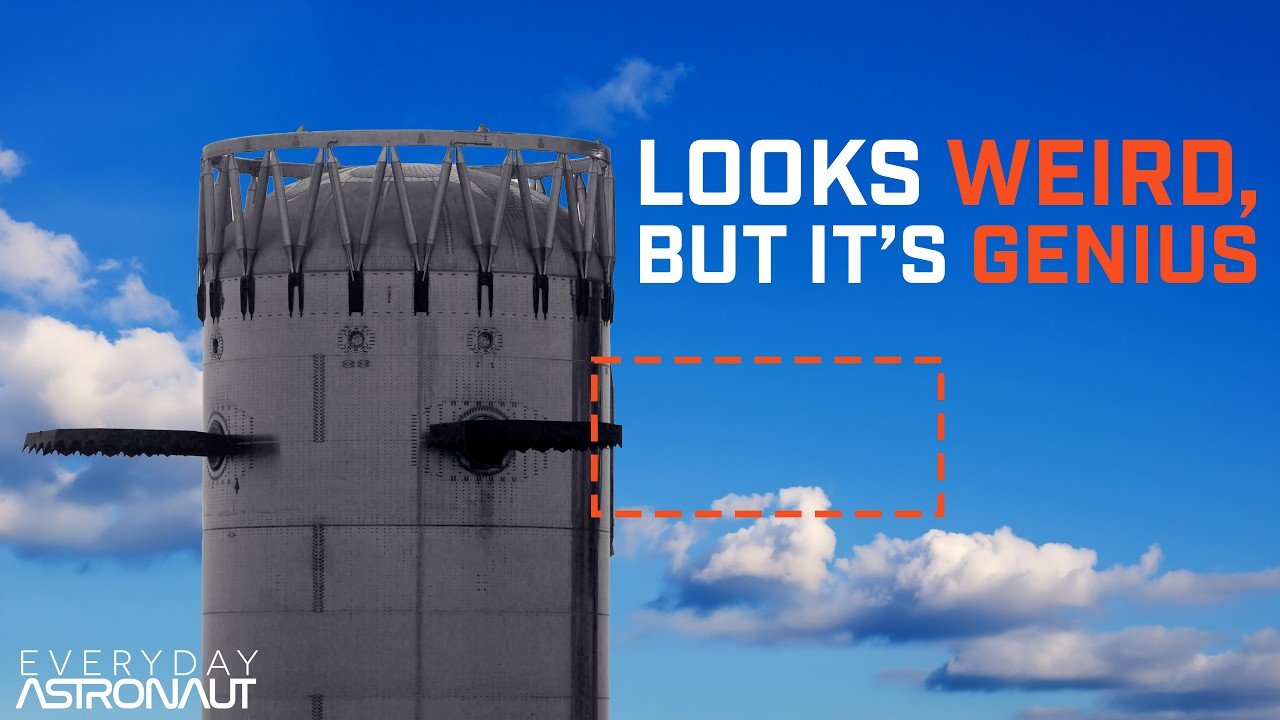
Why the new booster has three grid fins instead of four, and what that has to do with catching it at the tower.
Play: Why Starship V3’s Super Heavy Booster Has Only Three Grid Fins Read & explore: Why Starship V3’s Super Heavy Booster Has Only Three Grid Fins
-
Starship HLS: Why Landing on the Moon Needs 15+ Refueling Launches
Why it belongs
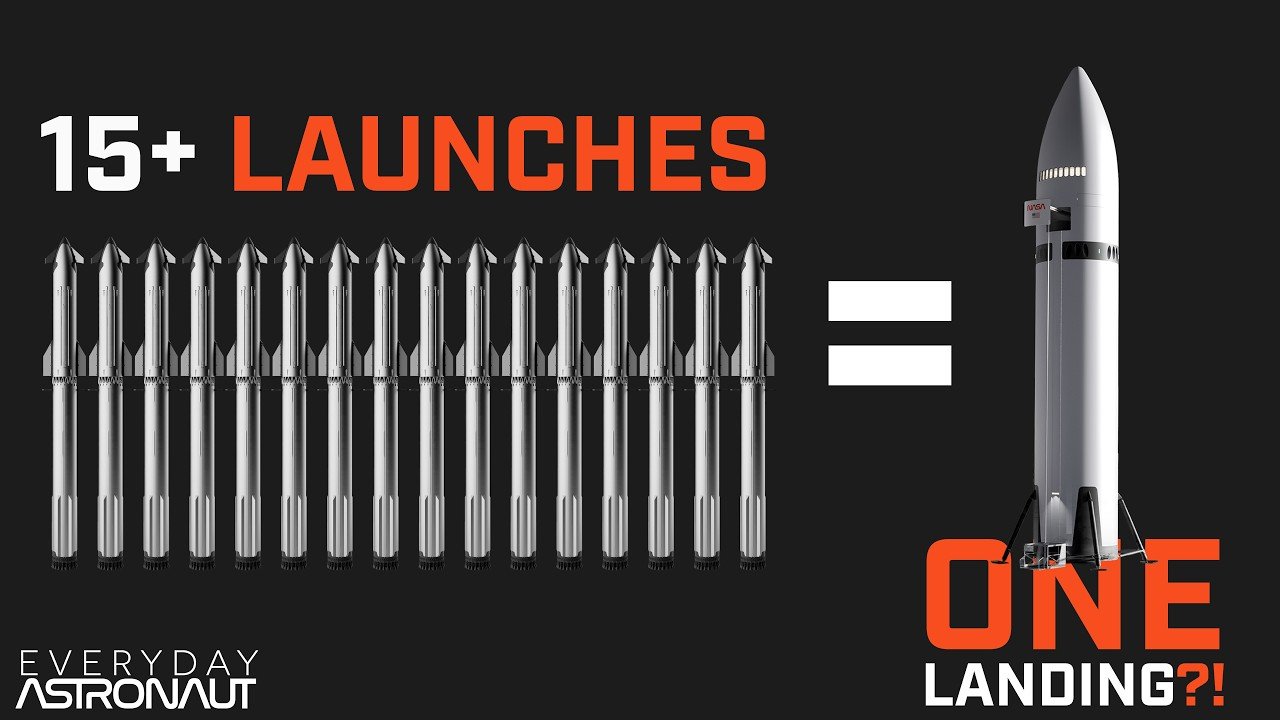
Why a Moon landing with Starship needs a dozen or more tanker launches, worked through with rocket-equation spreadsheets. The link between these flights and Artemis.
Play: Starship HLS: Why Landing on the Moon Needs 15+ Refueling Launches Read & explore: Starship HLS: Why Landing on the Moon Needs 15+ Refueling Launches
About this collection
What is Starship, and where does it stand?
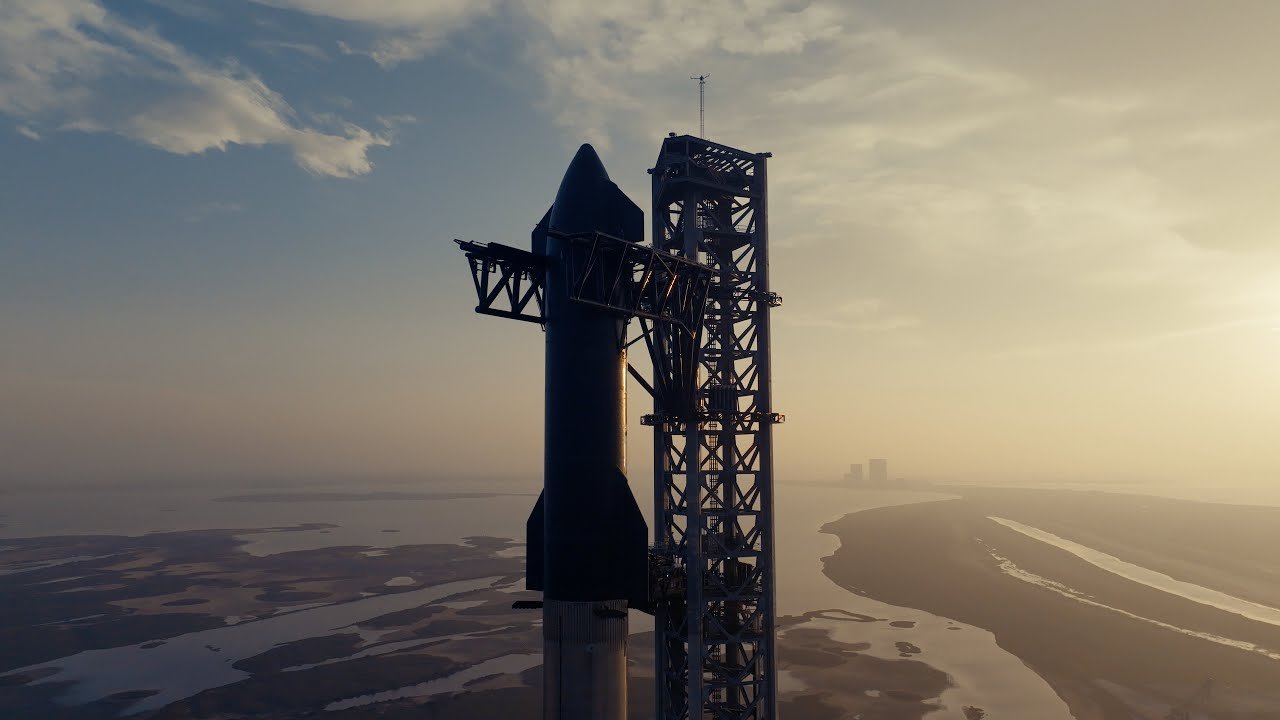
Starship is a two-stage, fully reusable rocket: a Super Heavy booster with 33 Raptor engines, and a ship on top with six. SpaceX has flown it 14 times from Starbase in South Texas, in three generations of hardware. Flight 14, on 28 September 2026, was the first to reach orbit and the first to carry an operational payload, 26 Starlink V3 satellites.
Two things have not happened yet. No ship has come back to the tower arms: every one so far has ended in the ocean. And no flight has been launched from Florida. Flight 15 is planned to try the first ship catch, and SpaceX has not published a launch date. The status is in the last section.
Three generations of hardware
- Block 1, Flights 1 to 6. The original design. Flight 6 flew the last Block 1 ship.
- Block 2, Flights 7 to 11. The first Block 2 ship flew on Flight 7. Flight 11 was the last Block 2 flight and the last launch from Pad 1.
- Block 3, Flights 12 onward. Raptor 3 engines, a new Pad 2, and a booster with three grid fins instead of four. SpaceX also calls it version 3, or V3.
Flight by flight
Dates are launch dates in UTC. Flights with a mission page link to it, with the videos for that flight.
- Flight 1, 20 April 2023. The first integrated launch. The stack cleared the pad, lost engines, began to tumble, and the flight termination system was commanded. The launch also damaged the pad.
- Flight 2, 18 November 2023. The first use of hot staging, in which the ship’s engines light while still attached to the booster. The booster was lost during its boostback burn, and the ship did not finish its flight.
- Flight 3, 14 March 2024. The first full-duration ascent burn for a ship, and the first entry from space. Neither stage survived to splashdown.
- Flight 4, 6 June 2024. Both stages made controlled splashdowns, the booster in the Gulf of Mexico and the ship in the Indian Ocean.
- Flight 5, 13 October 2024. The Super Heavy booster was caught by the tower’s arms on the first attempt. The ship splashed down in the Indian Ocean.
- Flight 6, 19 November 2024. A Raptor relit in space and the ship splashed down. The booster catch was called off after automated health checks of the tower hardware, and the booster landed in the Gulf.
- Flight 7, 16 January 2025. The first Block 2 ship. The booster was caught; the ship was lost after a propellant leak.
- Flight 8, 6 March 2025. The booster was caught again. The ship lost engines about 20 to 30 seconds before the end of its ascent burn, lost attitude control, and contact was lost.
- Flight 9, 27 May 2025. The first reflown booster. The booster was lost in the Gulf, and the ship, unable to deploy its payload, broke up over the Indian Ocean.
- Flight 10, 26 August 2025. SpaceX said every major objective was met. The ship deployed eight Starlink test satellites, relit an engine in space and splashed down.
- Flight 11, 13 October 2025. The last Block 2 flight and the last from Pad 1. The booster made a landing-burn demonstration in the Gulf, and the ship flew a suborbital path with a planned return in the Indian Ocean.
- Flight 12, 22 May 2026. The first Block 3 flight: Booster 19 and Ship 39, the first launch from Pad 2. The ship lost a vacuum engine on ascent but reached space and deployed its payloads. The booster shut down early on its boostback burn and did not return as planned.
- Flight 13, 24 July 2026. The first deployment of Starlink V3 satellites. The booster did not complete its landing burn. Ship 40 survived tip-over in the ocean for the first time, and SpaceX later towed it to Christmas Island.
- Flight 14, 28 September 2026. The first orbital flight. The ship deployed 26 Starlink V3 satellites, and SpaceX reported contact with all 26. A vacuum engine failed on ascent and the flight was cut short after just under two orbits, with a splashdown in the Pacific. The booster made a simulated-catch landing burn and a soft splashdown off Starbase.
The booster has been caught three times, on Flights 5, 7 and 8. It has not been caught since Flight 8, in March 2025.
What does a ship catch add?
A booster separates and comes back on a short arc. A ship has to survive re-entry first, with its heat shield tiles taking the load. Catching it at the tower would be the step that lets the whole system fly again quickly, which is what the Starship programme is aiming for. No ship has been reflown yet. Starship is also NASA’s lunar lander, Starship HLS, which needs a dozen or more tanker launches to refuel in orbit, as the last video in the path above works through. In NASA’s 23 October briefing, as summarised on the Artemis III page, NASA expects a first orbital propellant transfer between two Starships in early 2027, and for Artemis III a Starship is to dock with Orion in Earth orbit.
What we don’t know: Flight 15
Status on 3 November 2026: no official launch date. At an event on 10 October, Elon Musk said Flight 15 was “hopefully four to six weeks away” and that SpaceX intends to try to catch the ship, and the booster, with the tower arms (as reported by New Space Economy on 11 October). Press and tracker pages show tentative dates in November. Those are forecasts, not SpaceX or FAA announcements. This page will state a date only once SpaceX or the FAA does.
What the next flight changes
If the plan holds, Flight 15 is the first time a ship returns to the tower, and the first booster catch attempt since March 2025. Flight 14 already rehearsed the booster’s landing burn in a simulated catch. Musk suggested the recovered hardware could fly again on Flight 16, if the catches, inspections and repairs go well. NASA’s briefing puts the orbital propellant transfer in early 2027.
Go deeper
- The Starship programme page lists every flight, and the Starship and Super Heavy pages list the videos on the hardware.
- SpaceX also flies the Falcon 9, the rocket whose landings Starship’s recovery builds on.
- For the Moon landing plan, see the Artemis programme, Artemis II and Artemis III.
- New videos by email: get the updates.
Sources
- Wikipedia, List of Starship launches (dates, serial numbers, booster and ship outcomes), checked against SpaceX’s own flight webcasts and recaps in the videos above.
- New Space Economy, Starship Flight 15 will attempt to recover its upper stage, 11 October 2026 (Musk’s statements; no official date).
- NASA, Artemis III mission page, last updated 19 October 2026.
Facts checked on 3 November 2026. Flights 2, 7 and 9 have no video on this site yet.