Challenger 51-L: From Teacher in Space to the Loss of Seven Crew
The short version
A National Geographic special built from archival news reports and NASA footage follows Christa McAuliffe's selection as the first Teacher in Space, the crew's training, and the launch of Challenger on mission 51-L. The vehicle exploded about a minute into flight, and seven crew members died. The program ends with President Reagan's address and the return to flight of Discovery.
Full written account
Why the story turned on a teacher
Seven crew members died when Space Shuttle Challenger exploded about a minute into flight on mission 51-L. The flight was meant to carry America's first private citizen into space: Christa McAuliffe, a social studies teacher from Concord High School in Concord, New Hampshire.
Choosing the Teacher in Space
President Reagan directed NASA to choose a teacher as the first citizen passenger in the history of the space program. McAuliffe was selected from among the applicants, and Barbara Morgan of McCall Donnelly Elementary School in McCall, Idaho, was named the backup who would fly if the winner could not. McAuliffe had been teaching for 12 years and planned to keep a journal of her experiences in space. She said she had applied as if playing the lottery and figured at least 50,000 people would be sending in applications. Asked about fear, she said spaceflight today seemed safe.
The crew and the plan
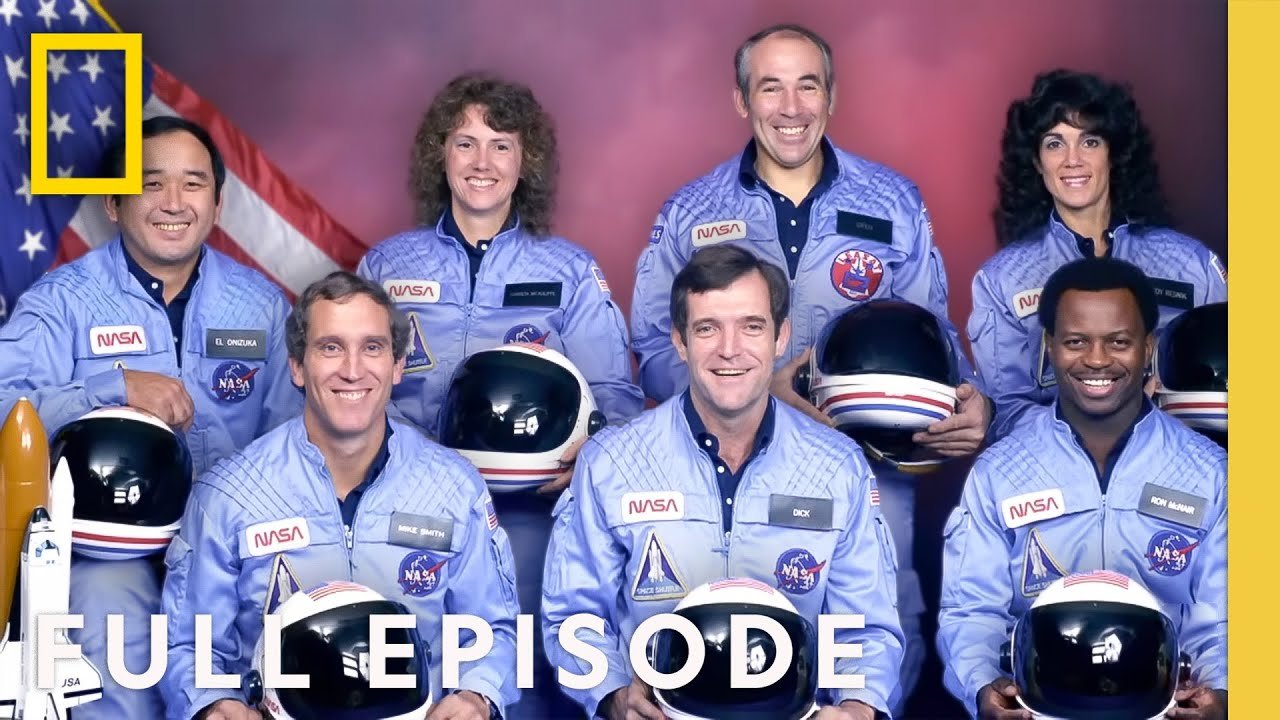
Commander Dick Scobee introduced the crew. Ellison Onizuka was the expert on tracking data relay satellites and the inertial upper stage, the largest payload on board. Ron McNair handled the Spartan Halley comet research satellite, to be put out over the side for a couple of days and picked up. Pilot Mike Smith would back up Scobee and was an expert on rendezvous and proximity operations. Judy Resnik was flight engineer and operator of the remote manipulator arm. Greg Jarvis, a payload specialist, had a flight dynamics experiment. McAuliffe was to teach two lessons live from the shuttle, on her fourth day of the mission, a Friday.
A delayed launch
The launch was delayed a day by a forecast of rain and thunderstorms. On another morning, technicians had a problem with the hatch and had to send for a charged battery-powered drill to remove a screw. On launch day the temperature at the pad was 24 degrees, and ice hung from the pad. The shuttle was to be the 10th flight of Challenger and the 25th launch of the Space Transportation System.
Liftoff and loss
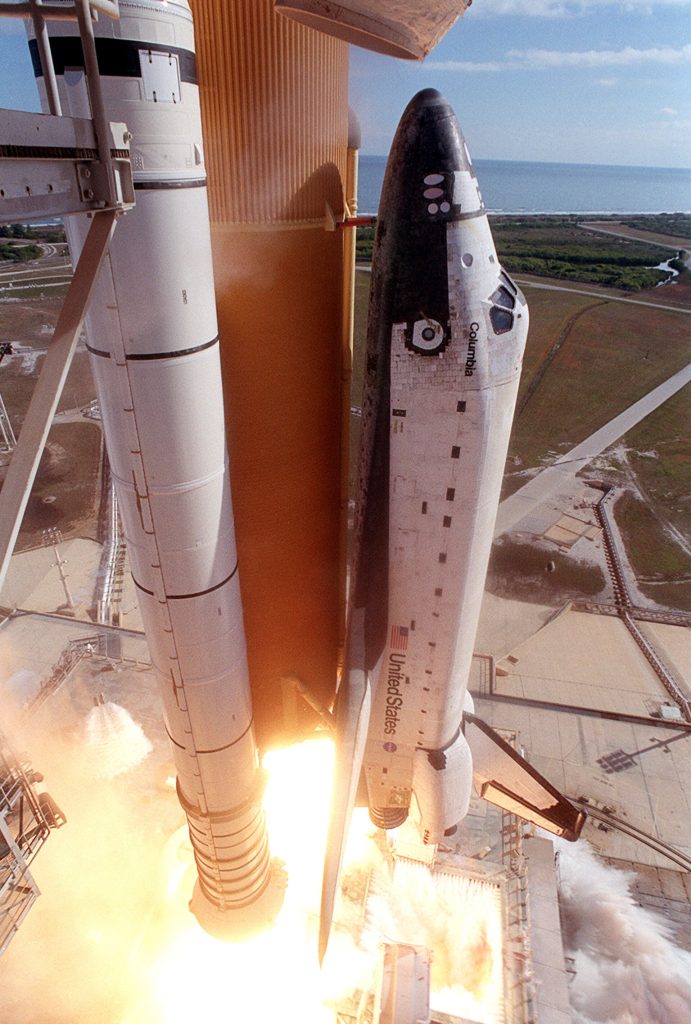
Challenger lifted off and cleared the tower. Mission control confirmed the roll program, and then told the crew they were go at throttle up. Scobee replied, "Roger, go at throttle up." Moments later a commentator noted what looked like a second plume of smoke, and two separate plumes were visible. Mission control reported negative contact and loss of downlink, then "obviously a major malfunction," and then a report from the flight dynamics officer that the vehicle had exploded. Search and rescue forces were scrambled, and parachutes seen on television were medical personnel dropped into the water to search for survivors, about 12 to 12 and a half minutes after the explosion.
The response
Reagan was in the Oval Office preparing for the State of the Union when he was told. Vice President George Bush visited NASA and said the families' plea was that the program lose no zip. That night Reagan postponed his planned address to speak instead, naming the seven he mourned: Michael Smith, Dick Scobee, Judith Resnik, Ronald McNair, Ellison Onizuka, Gregory Jarvis and Christa McAuliffe. He spoke directly to the schoolchildren who had watched the live coverage.
The footage ends with the launch of Discovery, after which Reagan said America was back in space.
Questions this video answers
How many people died on Challenger?
Seven crew members died. They were named as Michael Smith, Dick Scobee, Judith Resnik, Ronald McNair, Ellison Onizuka, Gregory Jarvis and Christa McAuliffe.
When did the explosion happen?
The shuttle went up at about 11:38, and a minute into the flight it exploded.
Who was the Teacher in Space?
Christa McAuliffe, a high school social studies teacher from Concord, New Hampshire, chosen as the first private citizen to fly on the Shuttle.
What were conditions on launch day?
The air temperature at the launch pad was 24 degrees, and the crew found a cold cabin and icicles on the pad. The launch had already been delayed a day because of a forecast of rain and thunderstorms, and a hatch problem was fixed on launch morning by drilling out a screw.
What followed Challenger in the footage?
Discovery returned Americans to space, as shown at the end of the program.
Explore related missions
Connected by the topic: Space Shuttle