Hubble’s Flawed Mirror: How COSTAR Fixed It After Launch
The short version
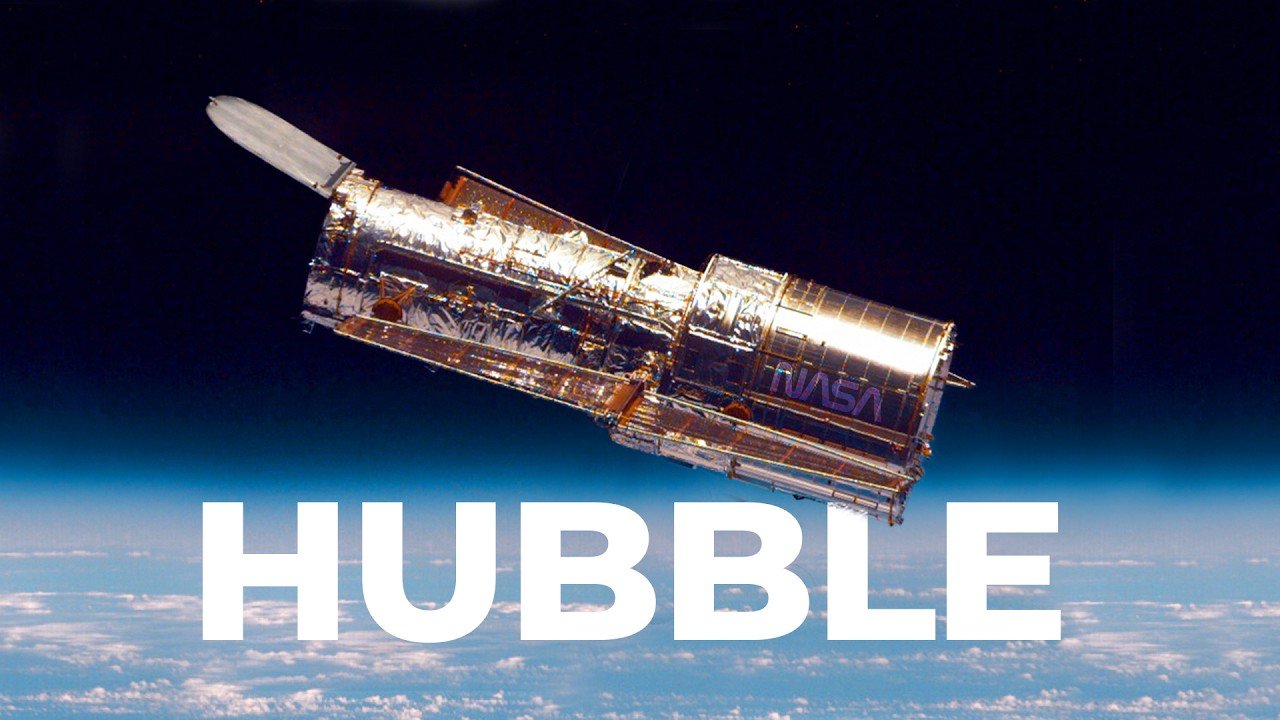
Space Shuttle Discovery launched the Hubble telescope on 24 April 1990, but its 2.5 meter main mirror had a small flaw that made images blurry. A test device called a null corrector had a wrongly positioned mirror that hid the error, and an identical backup mirror made by Kodak was never used. NASA built the COSTAR corrective instrument for 50 million dollars, and Space Shuttle Endeavour carried it up on 2 December 1993 to fix Hubble.
Full written account
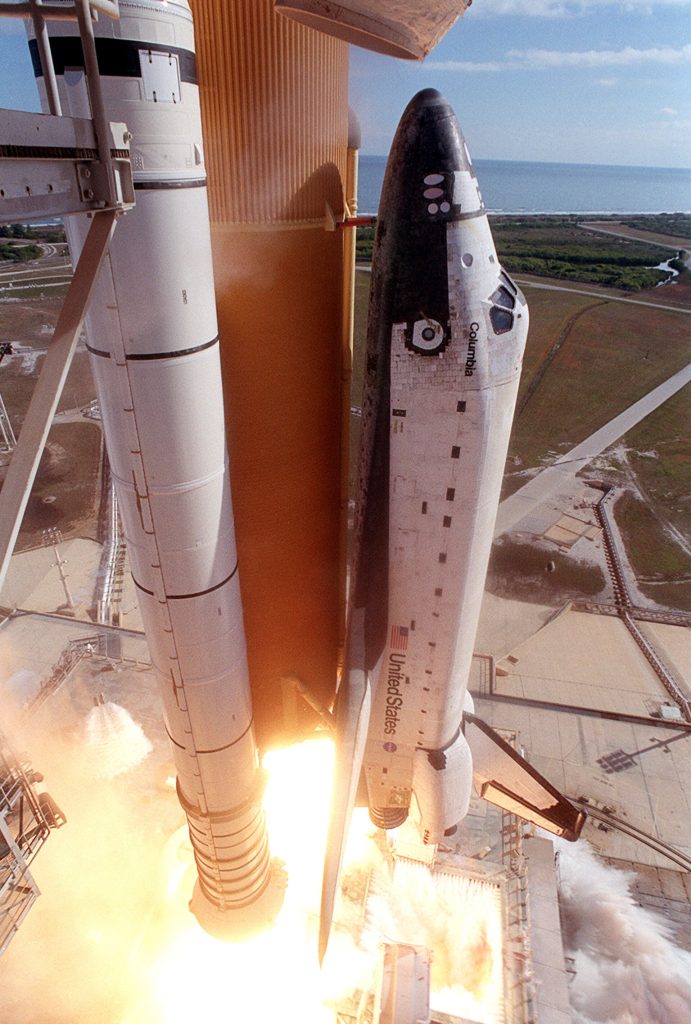
On 24 April 1990, Space Shuttle Discovery launched the Hubble telescope into orbit. Soon afterward, scientists found a defect in its 2.5 meter main mirror that made its images extremely blurry. The shape was off by only 2000 nanometers, 1/50th the thickness of a human hair, yet it was enough to render Hubble useless at first.
Two mirrors, two companies
In 1977 NASA received the funding to build Hubble, expecting it to cost around 300 million dollars. It contracted the optics company Perkin Elmer to design and build the main mirror, partly because Perkin Elmer planned to use custom-built, computer-controlled polishing machines. The mirror had to be polished to an accuracy of just 10 nanometers.
As a precaution, NASA asked Perkin Elmer to subcontract another company to make a backup mirror, and Kodak was chosen. Kodak suggested that the two companies cross-examine their mirrors to check for problems. This did not happen.
Building and testing the mirror
Perkin Elmer began building the mirror in 1979, starting from a blank of ultra low expansion glass. Polishing took two years, after which the glass was washed and given a reflective aluminum coating. The mirror then went through tests for the vibrations of launch and the conditions of space.
To check that the mirror had the correct shape, engineers used a null corrector, a special lens with a series of mirrors. A laser was shone through it and a lens containing a wavefront; a perfect mirror would show perfectly straight lines with no contour lines. While the engineers were setting up the null corrector, one of its mirrors was wrongly positioned and perfectly canceled out Hubble's flaw, so the results showed a mirror that was in fact not perfect.
Meanwhile, Kodak's mirror was left without its reflective coating and put into storage, since NASA had chosen Perkin Elmer's.
Blurry images and a backup that was perfect
After the 1990 launch, the first images from Hubble were blurry. The Kodak backup mirror was then tested and found to have been polished to the correct shape. The narrator notes that if the two companies had cross-examined both mirrors, the mistake would likely have been found before launch. Replacing the mirror in space was not really an option.
COSTAR
Hubble had been designed to be repairable. Its five instrument bays each hold a box containing a scientific instrument, so instruments can be swapped out. Because the polishing machine had made a very accurate mistake, NASA knew exactly how wrong the mirror was.
The resulting instrument, COSTAR, had two small mirrors that extended out from it. One was flat and reflected light onto the second, which was curved in the exact opposite way to Hubble's main mirror, putting the light back into the correct form and focusing it onto the instruments. After 50 million dollars and two years of development, COSTAR was ready.
The repair mission
On 2 December 1993, Space Shuttle Endeavour launched with seven astronauts and COSTAR. During a seven hour spacewalk, astronauts removed one of Hubble's instruments and replaced it with COSTAR. It took several more weeks for COSTAR to fully deploy, but the new images were incredibly clear and showed the repair had worked.
Afterward
The space shuttle regularly serviced the telescope. In 2009 COSTAR was removed, as the other instruments had by then been updated with their own optics built in. The Kodak mirror stayed in storage at Perkin Elmer's facility until 2000, when it was transferred to the National Air and Space Museum in Washington DC.
Questions this video answers
What was wrong with Hubble's mirror?
Its shape was off by 2000 nanometers, which is 1/50th the thickness of a human hair, so light hitting the inner parts of the mirror focused in a different place and images were blurry.
Why was the flaw not caught before launch?
A mirror in the null corrector test device was wrongly positioned and canceled out the flaw, so the results showed the mirror as perfect.
Why wasn't the backup mirror used?
NASA had chosen to go with Perkin Elmer's mirror, so Kodak's backup was left without its reflective coating and put into storage.
How was Hubble fixed?
COSTAR, with two small mirrors, refocused light onto the instruments. Endeavour astronauts installed it during a seven hour spacewalk, replacing one of Hubble's instruments.
Where is the Kodak mirror now?
It was transferred in 2000 to the National Air and Space Museum in Washington DC.
Explore related missions
Connected by the topic: Space Shuttle