Columbia STS-107: How Foam Damage Led to Seven Deaths on Reentry
The short version
A retrospective on the loss of space shuttle Columbia on February 1, 2003, during reentry after a roughly two-week science mission, which killed all seven crew members. It describes how foam insulation that fell from the external tank's bipod ramp after launch damaged the left wing's heat shield, the decisions made in Mission Control, and the Columbia Accident Investigation Board's finding that Atlantis might have staged a rescue. It also covers the debris search and the changes at NASA afterward.
Full written account
Space shuttle Columbia was returning from a two-week mission on February 1, 2003, when it broke up during reentry and killed all seven astronauts aboard. It was the shuttle's 28th mission. The cause, the video says, was ultimately determined to be one small section of insulating foam.
The crew and the mission
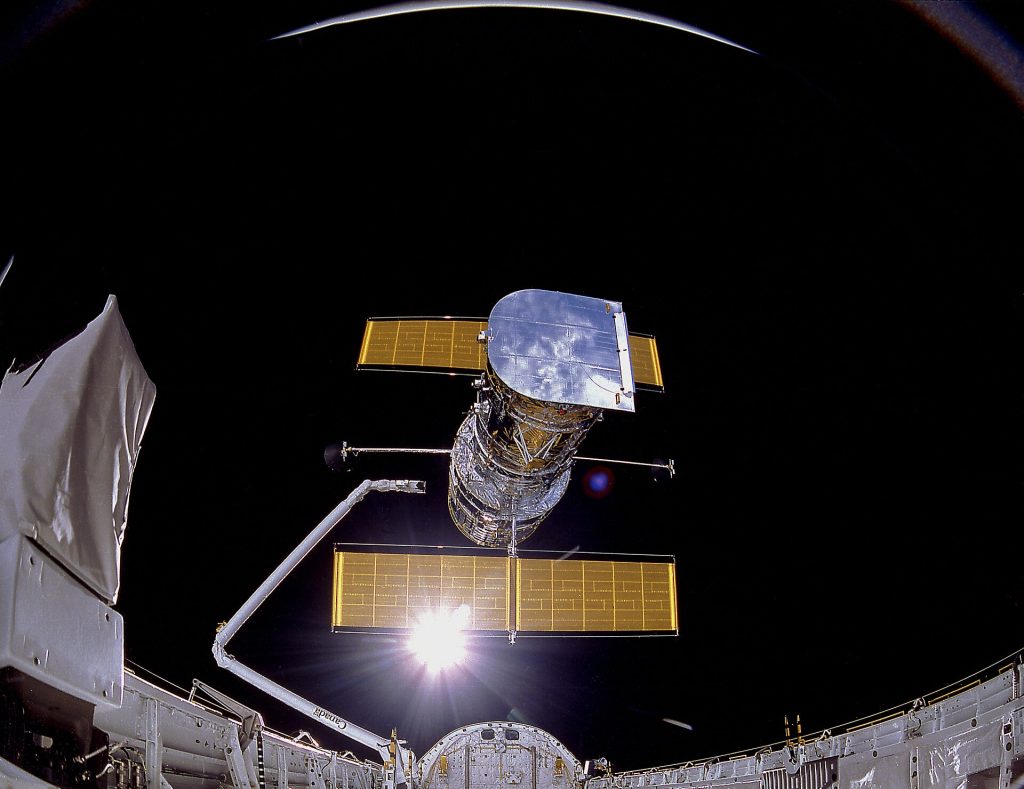
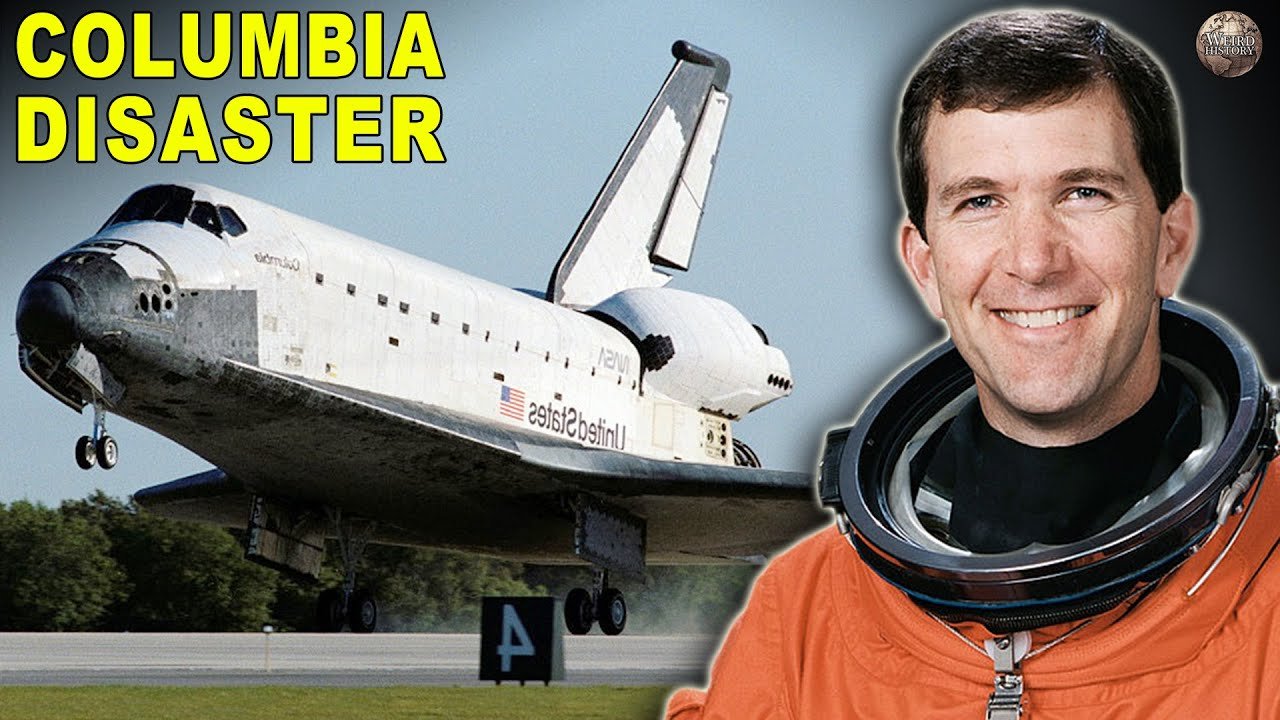
The crew was Rick Husband, Commander; William McCool, Pilot; Michael Anderson, Payload Commander; David Brown, Kalpana Chawla and Laurel Clark, Mission Specialists; and Ilan Ramon, Payload Specialist from the Israeli Space Agency. Columbia, the first shuttle to fly, had made its first flight in 1981 and completed over 4,000 orbits over about 300 days in space. After the Challenger accident it became NASA's principal research shuttle, used for 11 of the 15 Spacelab flights, and it deployed the Chandra Observatory in 1999. This crew carried out around-the-clock science and completed approximately 80 experiments during the 16-day flight.
Reentry
On the way home, as Columbia approached Kennedy Space Center, ground control received abnormal heat and tire pressure readings from the left wing. The crew and shuttle then vanished from radio communication and radar. A capsule communicator called up to discuss the readings, and Commander Husband answered "Roger" before contact was lost. Mission Control could not reconnect, and white smoke streaked the sky.
The foam strike
A little more than a minute after launch, pieces of foam insulation fell from the bipod ramp that fastened the external fuel tank to the shuttle. The shuttle was travelling about 545 miles per hour. The foam struck the left wing and damaged panels of carbon heat shield. The crew suffered no ill effects in orbit. On reentry, temperatures that could reach 3,000 degrees Fahrenheit reached an unprotected wing, which broke off, and the rest of the shuttle broke up, burned and dispersed.
What Mission Control knew
The public learned of the heat shield damage only after the disaster, but Mission Control knew almost immediately that foam had broken loose. A minority opinion held that catastrophe was possible and that more should be done to find the location and extent of any damage. The team chose a different path, fearing an agonizing dilemma: return and die in a fireball, or stay in orbit until the oxygen ran out.
Former Shuttle Project Manager Wayne Hale wrote on his blog that John Harpold, Director of Mission Operations, told him there was nothing that could be done about damage to the thermal protective system and that "it's probably better not to know." Harpold believed the crew would rather not know. The Columbia Accident Investigation Board later determined that Atlantis could have been used for a rescue. It would have been high-risk and possible only if the damage had been identified early and preparations made immediately. The video says it is unknown whether it would have worked.
Foam shedding
Foam had broken off on earlier flights, so often that it was routinely called foam shedding. Because it had never caused an incident of concern, most NASA engineers dismissed it. Engineering manager Don L. McCormack Jr. raised concerns with Mission Management team member Linda Ham, who told him it was no issue for this mission.
The search
The debris field ran from Central Texas to Western Louisiana. More than 25,000 professionals and volunteers searched 2.3 million acres. As of 2017, about 84,000 pieces, or 40% of Columbia, had been recovered. Because the accident came almost a year and a half after the September 11 attacks, terrorism could not be ruled out at first. The FBI worked with NASA and turned over all evidence once terrorism was excluded.
Aftermath at NASA
NASA's budget was halved in the 1990s, and the video says the agency was on a shoestring by the Bush Administration while still expected to keep flying for the International Space Station. Henry McDonald, former Director of NASA California, described a mentality of "we flew it. We had a problem. We landed." After the accident, higher-ups were let go. Wayne Hale, the only NASA member to apologize publicly and accept blame for the normalization of the abnormal, helped rebuild the Mission Management Team with the rule that NASA would never again say there is nothing it can do. Checklists and safety regulations were updated, and the remaining flights were successful before the fleet was retired in 2011. The four remaining shuttles went to museums in New York, California, Florida and Virginia.
Questions this video answers
What caused the loss of Columbia?
The video says the cause was ultimately determined to be a small section of insulating foam that fell from the bipod ramp of the external fuel tank shortly after launch and struck the left wing, damaging carbon heat shield panels.
How many people died?
All seven crew members aboard Columbia died on February 1, 2003, during reentry.
Who was on the crew?
Rick Husband (Commander), William McCool (Pilot), Michael Anderson (Payload Commander), David Brown, Kalpana Chawla and Laurel Clark (Mission Specialists), and Ilan Ramon (Payload Specialist from the Israeli Space Agency).
Could the crew have been rescued?
The Columbia Accident Investigation Board determined that Atlantis could have been used for a high-risk rescue mission, but only if the damage had been identified early and preparations made immediately. The video says it is unknown whether such a rescue would have succeeded.
How widely was the debris spread?
The debris field stretched from Central Texas to Western Louisiana. A search team of more than 25,000 professionals and volunteers covered 2.3 million acres.
Explore related missions
Connected by the topic: Space Shuttle