Hubble Servicing Mission 4: Final Shuttle Repair Plans Explained
The short version
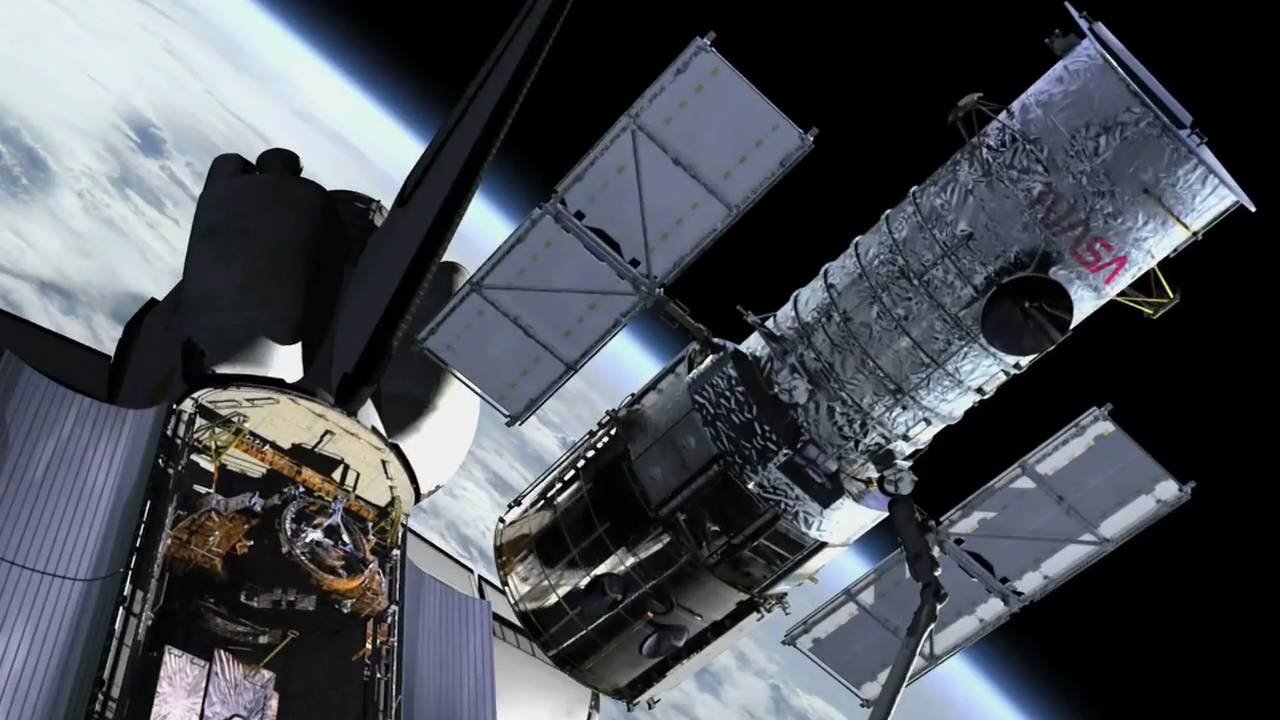
A preview of Servicing Mission 4, the fifth and final shuttle visit to the Hubble Space Telescope. Seven astronauts are to install two new instruments, attempt the first on-orbit repair of two failed instruments, and replace gyroscopes, batteries and other parts, carrying about 22,000 pounds of hardware. The description says the work is spread over five spacewalks.
Full written account
Servicing Mission 4 was billed as the fifth and final time astronauts would visit the Hubble Space Telescope: "our last shot" to extend its life and bring it to the apex of its scientific capability. Seven astronauts were to carry about 22,000 pounds of hardware, spread over five spacewalks according to the mission description. What does one last visit have to accomplish?
Two new instruments
The crew planned to install the Cosmic Origins Spectrograph, described as the fanciest spectrograph ever put into Hubble. The second addition was Wide Field Camera 3, Hubble's new imager, described as about 10 times better than the current instruments. It was expected to look farther across the universe and farther back in time, closer to the big bang, than any earlier Hubble camera.
Repairing instruments in orbit
The crew would also attempt to repair two failed instruments, the Advanced Camera for Surveys and the Space Telescope Imaging Spectrograph. The Advanced Camera for Surveys was inserted in 2002 and, before it failed, was the most heavily used instrument on Hubble. It was the first black hole hunter, and it made the first detection and chemical analysis of the atmosphere of a planet around another star.
This would be the first time science instruments were repaired in place. To reach the board that needs replacing, astronauts must remove 110 very small screws, and in space things float, so debris is a real issue. Success would, in the speakers' words, point the way toward repairing instruments in space in the future.
Keeping the spacecraft running
Because it was the last opportunity, the crew would also change out all the gyroscopes that help Hubble point. They would fit a refurbished fine guidance sensor, one that had flown on Hubble before and been brought back to Earth. The batteries were to be changed, and a new outer blanket layer, a solid sheet rather than a blanket, would go over the existing insulation.
A soft capture mechanism on the aft end of Hubble would help facilitate a future mission to bring it out of orbit at the end of its useful life.
Why it came late
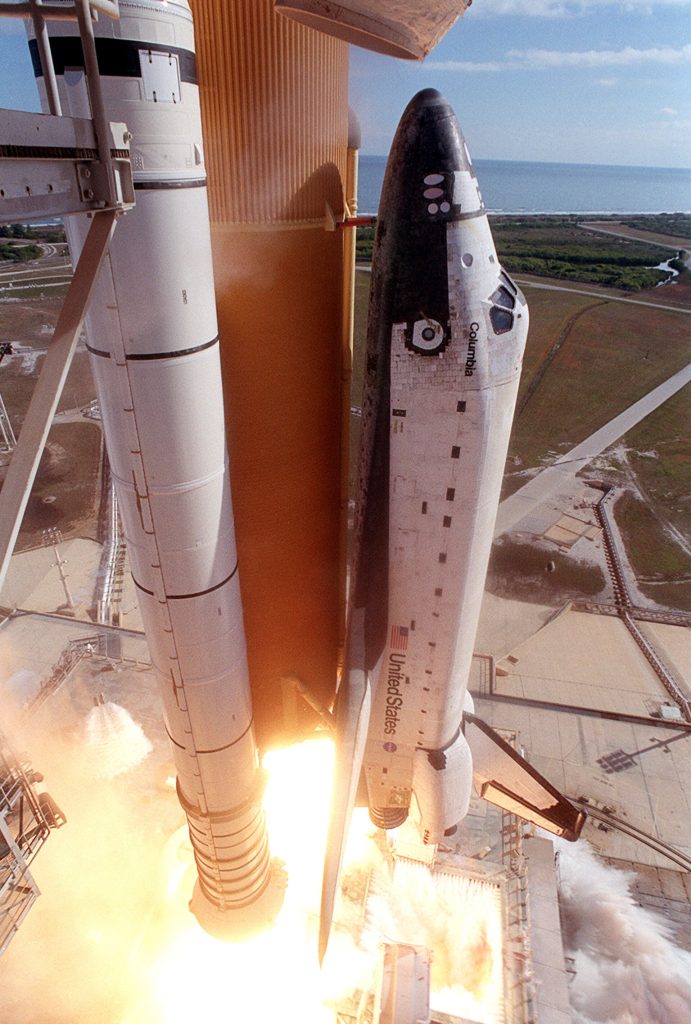
The mission description says SM4 was originally planned for 2004 but was postponed after the Columbia Space Shuttle tragedy. The speakers said the astronauts had made a conscious decision to risk their lives, and that the mission could buy another five, perhaps ten, years for the telescope. With the two repaired instruments working alongside the two new ones, they said, Hubble would be better than it had ever been.
Questions this video answers
Why is this called the final Hubble servicing mission?
It is described as the fifth and final time astronauts would visit Hubble, the last chance to extend its life and bring it to the apex of its scientific capability.
Which new instruments were to be installed?
The Cosmic Origins Spectrograph and Wide Field Camera 3.
Which instruments were to be repaired?
The Advanced Camera for Surveys and the Space Telescope Imaging Spectrograph, the first attempt at on-orbit repair of existing instruments.
How many astronauts were on the mission?
Seven.
What is the soft capture mechanism for?
It is to be installed on the aft end of Hubble to help a future mission bring it out of orbit at the end of its useful life.
Explore related missions
Connected by the topic: Space Shuttle