Crew-13 Prelaunch Briefing: Dragon Valve Repair and a Fast ISS Trip

The short version
NASA held the prelaunch news conference for SpaceX Crew-13 on Sept. 30, 2026, ahead of a launch targeted for 11:10 a.m. EDT on Oct. 1 from Space Launch Complex 40. Officials from NASA, the Canadian Space Agency and SpaceX said all parties had pulled go, pending weather, and described the repair of a leaking Dragon propulsion valve and a mobile transporter commanding problem on the station. If the launch goes as planned, Dragon would reach the station in about 8 hours.
Full written account
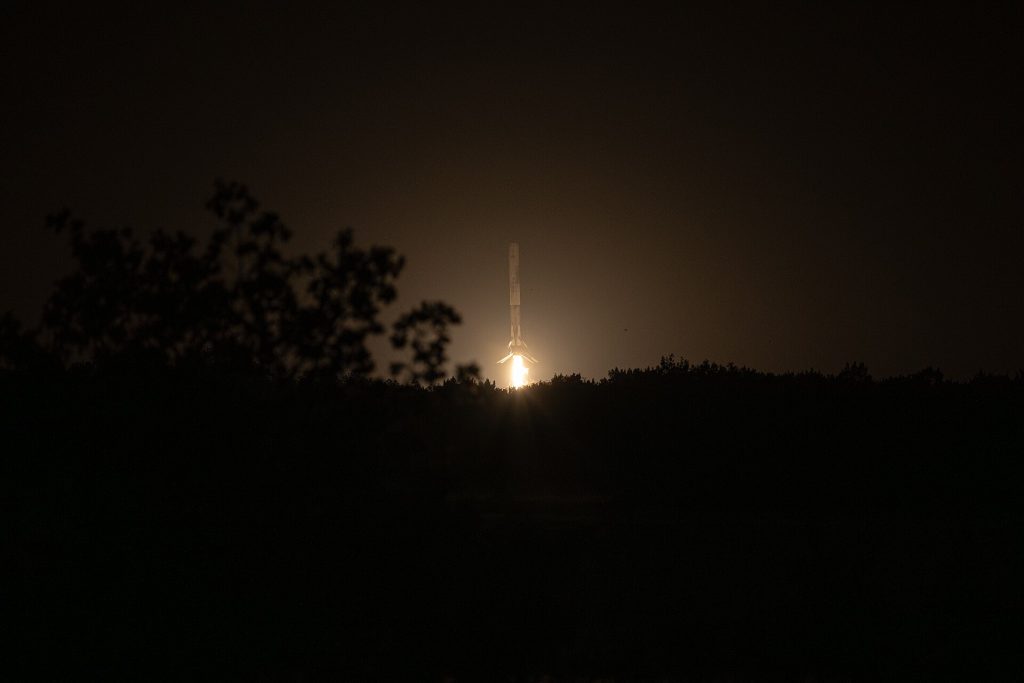
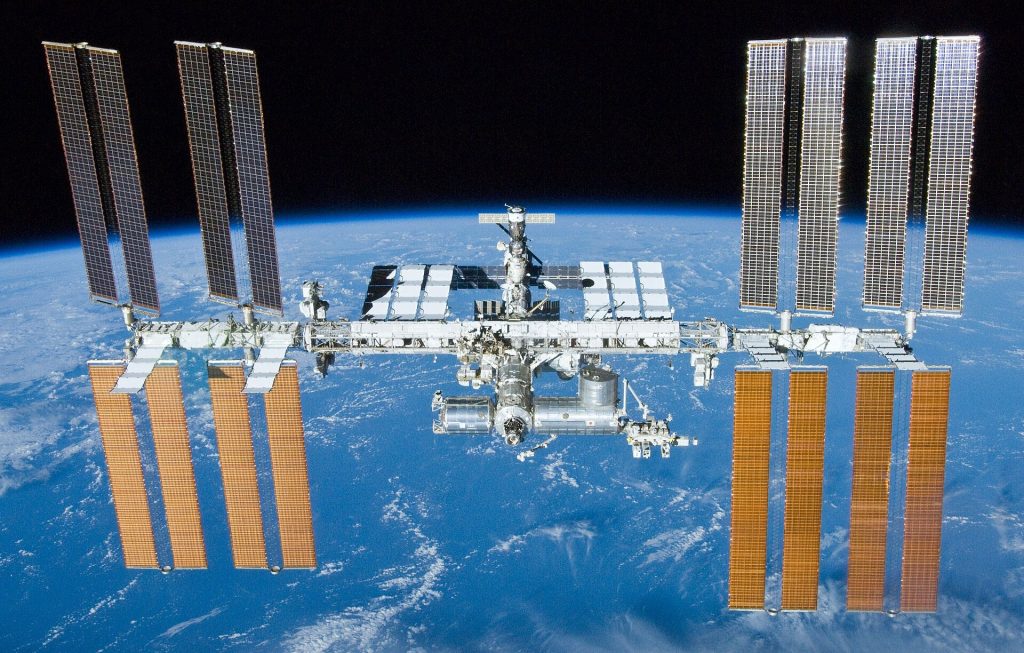
NASA's SpaceX Crew-13 was set to lift off at 11:10 a.m. Eastern time on Thursday, Oct. 1, 2026, from Space Launch Complex 40 at Cape Canaveral Space Force Station in Florida. The Dragon spacecraft, carried by a Falcon 9, was planned to reach the International Space Station in roughly 8 hours, with docking at the Node 2 forward port around 7:00 p.m. Eastern. If it flew as planned, it would be the fastest Dragon trip to the station. The crew: NASA astronauts Jessica Watkins (commander) and Luke Delaney (pilot), and mission specialists Josh Kutryk of the Canadian Space Agency and Roscosmos cosmonaut Sergey Teteryatnikov.
A late fix on the pad
The launch took longer to reach than planned because of a leak in Dragon's propulsion system. SpaceX's William Gerstenmaier said the team found the oxidizer leak during environmental checks: when the valve was cycled several times, nitrogen tetroxide (NTO) readings rose in the spacecraft's environmental sensors.
The fix was to cut the leaking valve out of the line, where it had been welded in place, and weld in a new one. Gerstenmaier said the unusual part was where it happened. Valves are normally removed in maintenance at Hangar X, but this work was done at Area 59 at the Cape with Dragon stacked on its trunk and the oxidizer tank full. SpaceX needed special permission from the range to do hot work with NTO aboard. Dana Weigel said the cut-and-weld operations were a first in the stacked Dragon and trunk configuration. The welder looked at the location, and the team chose where to cut so enough tube remained to weld the new valve.
The removed valve was CT scanned, and nothing wrong was seen. In McGregor, Texas, it was then exposed to liquid nitrogen tetroxide and cycled; the leak rate appeared to be slowing. SpaceX chose not to tear it apart immediately, fearing the loss of information about the failure.
Other issues weighed before launch
The agency flight readiness review was held the Friday before, and everyone polled go. Two items drew extra discussion.
- Mobile transporter. Commands to move the station's mobile transporter, the sled that carries the robotic arm along the truss, to the Crew-13 launch position were not accepted. It stayed at work site six. Because it sat closer to the GPS antennas, teams did extra GPS analysis, and SpaceX also used the Dragon already docked at the station to check relative GPS signals. GPS was cleared for the Dragon rendezvous.
- Replacement valve repair. Weigel said the welds and the post-repair leak check looked great.
A Falcon 9 static fire early Monday was clean, and the crew's dry dress rehearsal was held Tuesday. During dry dress there was a loss of communication to a Super Draco motor microcontroller; SpaceX reset it and recovered it. Gerstenmaier called it a pretty remote failure but said teams developed a plan so they would not have to invent procedures on launch day. SpaceX's launch readiness review was also clean. Lori Glaze said everything was go, pending weather.
Weather carried a 45% chance of violating for thick cloud layers and precipitation at the launch site, while the ascent corridor looked green.
Why the trip is so short
Weigel explained that travel time depends on where the station is at launch, since the spacecraft is catching up while raising altitude; the Russians commonly do it in two orbits. Gerstenmaier said the angle between station and Dragon was very close after a recent station orbit adjust maneuver, calling it luck of orbital mechanics. The timing depends tightly on how well Falcon inserts Dragon, particularly the argument of perigee, and could vary by about a half hour. Weigel said it was not tied to any special capability of the vehicle.
The crew and the handover
It is the second flight for Watkins and the first for Kutryk, Delaney and Teteryatnikov. Mathieu Caron said it is the fourth long-duration mission by a Canadian Space Agency astronaut on the station and the first time a CSA astronaut flies in NASA's commercial crew program. Kutryk was recruited in 2017 and was previously a Royal Canadian Air Force test pilot and fighter pilot. Caron noted Jeremy Hansen had flown around the Moon on Artemis 2 earlier in the year.
Kutryk will take part in new Canadian experiments: Astro Fit, Spark (anemia in space), Home Base (how astronauts keep track of their location in microgravity), Sensory 2 (vision changes) and a mental health study that builds on the University of British Columbia's At Home in Space.
If Crew-13 launched on time, the earliest undock for Crew-12 was Oct. 5, a short handover, with the SpaceX 35 cargo mission following. Weigel said the mobile transporter's channel A had trouble with complex multi-step commands, such as demating umbilicals, while channel B checked out healthy. She would not move it until Crew-12 was down, and a spacewalk to replace a box was possible later.
Beyond the flight
Gerstenmaier said SpaceX had just been awarded crew flights 15, 16 and 17, and had flown about 113 Falcon missions that year. Weigel said the US deorbit vehicle is planned to launch in mid 2029 for an ISS deorbit at the end of 2030. The crew's mission patch nods to Apollo 13.
Questions this video answers
When is Crew-13 scheduled to launch?
At 11:10 a.m. EDT on Thursday, Oct. 1, from Space Launch Complex 40 at Cape Canaveral Space Force Station, with docking planned around 7 p.m. EDT.
Who is on the Crew-13 crew?
Jessica Watkins is commander and Luke Delaney is pilot. CSA astronaut Joshua Kutryk and Roscosmos cosmonaut Sergey Teteryatnikov are mission specialists.
What problem was found with Dragon before launch?
An oxidizer leak at a propulsion isolation valve. SpaceX cut the valve out and welded in a new one while Dragon was stacked, then inspected and tested it.
Why could this be the fastest Dragon trip to the station?
The phasing between the station and Dragon is very close, helped by a recent station orbit adjust maneuver. The trip is expected to take roughly 8 to 9 hours.
What is the weather outlook?
A 45% chance of violation for thick cloud layers and precipitation at the launch site, with the ascent corridor looking good.
Explore related missions
Connected by the topic: International Space Station